From Rare to Adored: The Journey of the Golden British Shorthair
The golden British Shorthair is a breed of cat that has captured the hearts of many with its striking appearance and gentle temperament. This article delves into the history, characteristics, and evolution of this beloved feline, from its initial rarity to its current status as a cherished pet.
Unique Characteristics
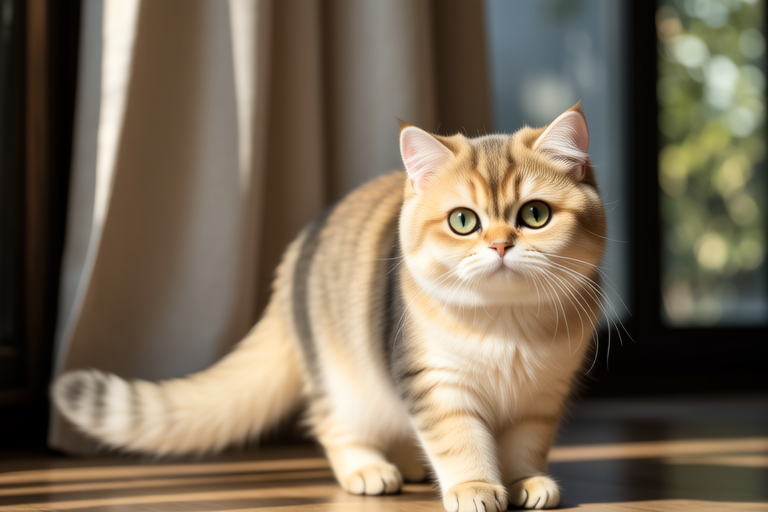
The golden British Shorthair is instantly recognizable for its plush, dense coat that ranges from light gold to rich amber. Their large, round eyes, typically a deep copper hue, add to their distinctive look. These cats have a robust build, with a broad chest and a sturdy body, giving them a lion-like appearance. Their calm and affectionate nature makes them excellent companions, often forming strong bonds with their owners.
Historical Background
The British Shorthair has a long and storied history, but the golden variation has a more recent origin. Initially, these cats were rare, primarily found in the UK, where they were selectively bred to enhance their golden coats. Over time, the golden British Shorthair gained recognition for its beauty and temperament, gradually increasing in popularity. One notable moment in its rise was when a golden British Shorthair won Best in Show at the prestigious Crufts dog show, drawing attention to the breed.
Anecdotes and Stories
One touching story involves a golden British Shorthair named Bella, who became an internet sensation after her owner posted videos of her playful antics. Bella’s fame helped raise awareness about the breed, inspiring many to adopt similar cats. Another significant moment occurred when a golden British Shorthair was featured in a popular children’s book, further cementing the breed’s place in popular culture.
Physical Attributes
Golden British Shorthairs have a thick, plush coat that requires regular grooming to maintain its lustrous appearance. Their large, expressive eyes are framed by long eyelashes, adding to their charm. The breed’s robust frame and short legs give them a compact, solid appearance. They have rounded heads with prominent cheeks and small, rounded ears.
Health Considerations
While generally healthy, golden British Shorthairs can be prone to certain conditions, such as hypertrophic cardiomyopathy (HCM), a heart disease that can lead to sudden death if left untreated. Regular veterinary check-ups are essential to monitor their health. Additionally, they may experience dental issues due to their flat faces, which can cause overcrowding of teeth. Proper dental care, including brushing their teeth regularly, can help prevent these problems.
Common Behaviors
Golden British Shorthairs are known for their laid-back personalities, making them ideal for families or individuals seeking a calm companion. They enjoy lounging around the house and are often found napping in sunny spots. Despite their relaxed demeanor, they can be quite playful, especially during kittenhood. They tend to bond closely with their human family, often following their owners around the house and seeking attention.
Current Status and Future Trends
Today, the golden British Shorthair enjoys widespread popularity, cherished by cat enthusiasts worldwide. Breeders continue to refine the breed, ensuring its physical and behavioral traits remain consistent. As interest in unique and beautiful cat breeds grows, the golden British Shorthair is likely to maintain its status as a sought-after pet. With ongoing advancements in veterinary care, these cats will continue to live long, healthy lives, bringing joy to many households.
In conclusion, the journey of the golden British Shorthair from a rare and obscure breed to a beloved pet is a testament to the enduring appeal of cats. Their striking appearance, gentle temperament, and endearing behaviors have made them a favorite among cat lovers. As we look to the future, it is clear that the golden British Shorthair will continue to capture hearts and homes for generations to come.
