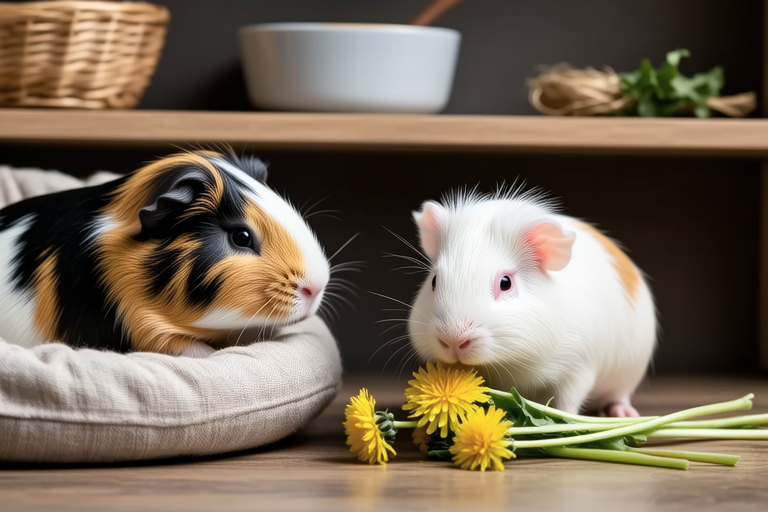
Adorable Guinea Pigs: How to Create the Perfect Habitat for Your New Pet
Guinea pigs, also known as cavies, have long been cherished as delightful companions due to their friendly nature and unique charm. These small rodents are social animals that thrive on interaction and care. With their expressive faces and gentle demeanor, they bring joy to homes across the globe. However, owning a guinea pig comes with responsibilities. Providing a safe, comfortable, and stimulating environment is crucial for their health and happiness. This guide will walk you through creating the perfect habitat for your new pet, ensuring they live a fulfilling and healthy life.
Selecting the Right Cage Size and Type
The first step in setting up a suitable habitat for your guinea pig is choosing the right cage. A spacious living area is essential, as guinea pigs need room to move around and explore. Ideally, the cage should be at least 7.5 square feet (750 square inches) for one guinea pig, increasing the space for each additional cavy. Bigger cages allow them to exercise, play, and maintain good physical health.
When selecting a cage, opt for a wire-bottomed enclosure to prevent pressure sores from developing on your pet’s feet. Solid flooring can be used but requires more frequent cleaning to avoid moisture buildup. The cage should also have multiple levels or platforms for climbing and playing, which helps stimulate their natural behaviors. Avoid aquariums or glass tanks as they don’t provide adequate ventilation.
Essential Bedding Materials
Choosing the right bedding is vital for your guinea pig’s comfort and health. Opt for soft, dust-free materials like shredded paper, recycled paper products, or high-quality wood shavings. Avoid cedar and pine shavings, as they can irritate a guinea pig’s respiratory system. Layer the bedding at least two to four inches deep to absorb waste and cushion your pet’s joints. Regularly changing the bedding prevents ammonia buildup and keeps the cage fresh and clean.
Proper Food and Water Dispensers
Feeding your guinea pig properly is fundamental to their well-being. Place heavy ceramic bowls for food and water to prevent tipping. A gravity-fed water bottle is another option, ensuring constant access to fresh water. Guinea pigs require a diet rich in hay, fresh vegetables, and pellets specifically formulated for their species. Always provide unlimited access to timothy hay, which aids digestion and dental health.
Necessary Toys and Hiding Spots
To keep your guinea pig mentally stimulated and physically active, include various toys and hiding spots in their habitat. Tunnels, chew toys, and small balls encourage exploration and play. Cardboard boxes and tubes make excellent hiding places, mimicking natural burrows. Rotate toys periodically to prevent boredom and maintain interest. Mental stimulation is just as important as physical activity for your guinea pig’s overall well-being.
Maintaining Hygiene with Regular Cleaning Tips
Regular cleaning of the habitat is necessary to ensure a healthy living environment for your guinea pig. Remove soiled bedding daily and perform a thorough cleaning of the entire cage weekly. Use mild, pet-safe disinfectants and rinse thoroughly before allowing your pet back inside. Avoid harsh chemicals that could harm your guinea pig. Proper hygiene reduces the risk of infections and keeps your pet happy and healthy.
Temperature and Safety Considerations
Guinea pigs are sensitive to temperature extremes. They prefer a stable environment with temperatures between 65°F and 75°F (18°C to 24°C). Avoid placing the cage near drafts, direct sunlight, or heating vents. Ensure the habitat is secure, with no gaps or holes where your pet could escape or predators could enter. Supervise children and other pets when interacting with your guinea pig to prevent accidents.
Advice on Integrating New Guinea Pigs into the Home Environment
Introducing a new guinea pig to your home requires careful planning. Allow your new pet to acclimate to its surroundings before introducing it to existing animals. Introductions should be gradual and supervised to minimize stress and aggression. Monitor interactions closely, especially if introducing a new guinea pig to an established group. Patience and observation are key during this process.
In conclusion, creating the perfect habitat for your guinea pig involves thoughtful planning and attention to detail. By providing ample space, appropriate bedding, nutritious food, and stimulating toys, you’ll ensure your pet leads a happy and healthy life. Remember, a well-prepared habitat is the foundation for a strong bond and a joyful experience with your adorable guinea pig companion.
