From Fluff Balls to Furry Friends: Everything You Need to Know About Pomeranians
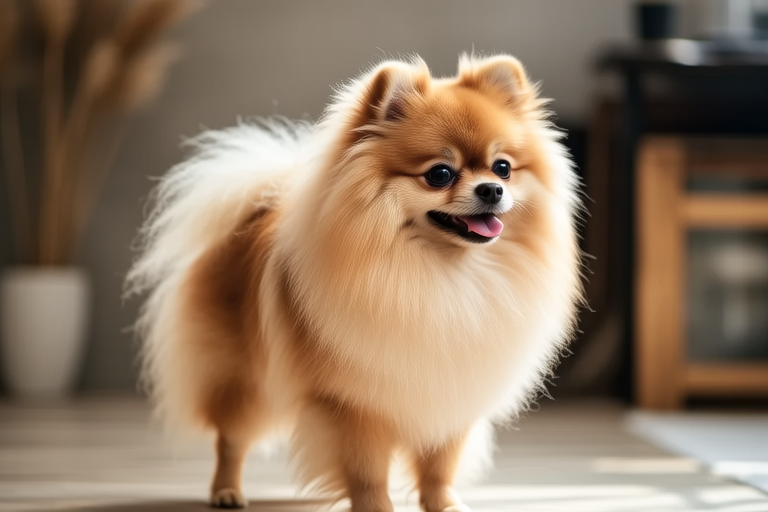
Pomeranians, those adorable fluff balls with their expressive eyes and perky ears, have captured the hearts of many dog lovers around the world. Their history traces back to much larger sled dogs, and through centuries of selective breeding, they have transformed into the delightful toy-sized companions we know today. This article delves into everything you need to know about Pomeranians, covering their history, physical traits, temperament, health considerations, grooming needs, dietary requirements, and common training techniques. By the end, you’ll be well-equipped to decide if a Pomeranian is the right fit for your family and how best to integrate them into your household.
A Brief History of Pomeranians
The Pomeranian, named after the region in Northern Europe where it originated, the Pomerania province, was once a much larger dog used as sled dogs and herders. Over time, these dogs were selectively bred down to their current size, a process that took several centuries. Queen Victoria of England played a significant role in popularizing the breed during the 19th century, favoring smaller versions of the breed. Since then, the Pomeranian has become a favorite among families for its charming personality and compact size.
Physical Characteristics
Pomeranians are small dogs, typically weighing between 3 to 7 pounds and standing about 6 to 7 inches tall at the shoulder. They have a double coat, with a soft undercoat and a longer, harsher outer coat. The breed comes in a variety of colors, including orange, black, cream, brown, and sable. One of the most distinctive features of Pomeranians is their plumed tail, which curls over their back. Their alert, fox-like face and expressive eyes make them look perpetually curious and ready for adventure.
Temperament
Pomeranians are known for their lively and affectionate nature. They are highly intelligent and can be quite independent, which makes them both entertaining and challenging companions. Despite their small size, they are often surprisingly vocal, barking at sounds or movements they perceive as threats. However, with proper socialization and training, this trait can be managed. Pomeranians are loyal to their families and can form strong bonds with their human companions. They enjoy being the center of attention and thrive in environments where they receive lots of love and interaction.
Health Considerations
While generally healthy, Pomeranians can be prone to certain health issues. These include luxating patellas (dislocated kneecaps), tracheal collapse, and dental problems. Regular veterinary check-ups are essential to catch any potential health issues early. Maintaining a healthy weight is also crucial, as obesity can exacerbate joint problems and other health concerns. Additionally, Pomeranians can be sensitive to heat, so it’s important to provide them with shade and cool spaces during hot weather.
Grooming Needs
Pomeranians require regular grooming to keep their coats in top condition. Their double coat sheds heavily, particularly during seasonal changes. Brushing them several times a week helps remove loose hair and prevents matting. Bathing should be done every few weeks, but excessive bathing can strip the coat of natural oils. Professional grooming may be necessary for more extensive coat maintenance, especially if you’re aiming for show-quality standards. Paying special attention to their ears, nails, and teeth is also vital to prevent infections and maintain overall hygiene.
Dietary Requirements
Feeding a Pomeranian a balanced diet is key to maintaining their health and vitality. High-quality dog food formulated for small breeds is recommended, ensuring it meets all nutritional requirements. Avoid overfeeding, as obesity can lead to various health issues. Consult with your veterinarian to determine the appropriate amount of food based on your Pomeranian’s age, activity level, and specific needs. Fresh water should always be available, and treats should be given sparingly to avoid disrupting their dietary balance.
Common Training Techniques
Training a Pomeranian can be both fun and rewarding. Early socialization is crucial to help them become well-adjusted and confident. Positive reinforcement methods, such as treats and praise, work best for this breed. Consistency is key; establishing routines and rules from the beginning will help them understand what is expected of them. Basic commands like sit, stay, come, and down should be taught early on. Crate training can also be effective, providing a safe space for your Pomeranian when you’re away. Patience and persistence are necessary, as Pomeranians can sometimes be stubborn, but their intelligence means they are capable learners.
Choosing the Right Pomeranian
Selecting the right Pomeranian involves careful consideration. Research reputable breeders who prioritize the health and well-being of their dogs. Look for signs of a healthy environment, such as clean living quarters and happy, active puppies. Meeting the parents can give you insight into the puppy’s potential temperament and health. Once you’ve chosen your Pomeranian, bring them home gradually, allowing them time to adjust to their new surroundings. Provide a comfortable, quiet area for them to rest and explore at their own pace.
Integrating Your Pomeranian Into Your Family
Integrating a Pomeranian into your family requires commitment and responsibility. Establishing a routine will help them feel secure and understood. Allocate time for play, exercise, and training sessions. Pomeranians are energetic and enjoy interactive toys and games. Regular walks and indoor playtimes will keep them physically and mentally stimulated. Be patient and understanding as they adapt to their new life. Remember, adopting a Pomeranian is a long-term commitment that involves providing them with love, care, and a nurturing environment.
In conclusion, Pomeranians are delightful additions to any family, bringing joy and companionship. By understanding their unique needs and providing them with the care they deserve, you can ensure a fulfilling and happy life together. Whether you’re a first-time owner or a seasoned pet parent, taking the time to learn about your Pomeranian will enrich your bond and make them feel truly loved and cherished.
