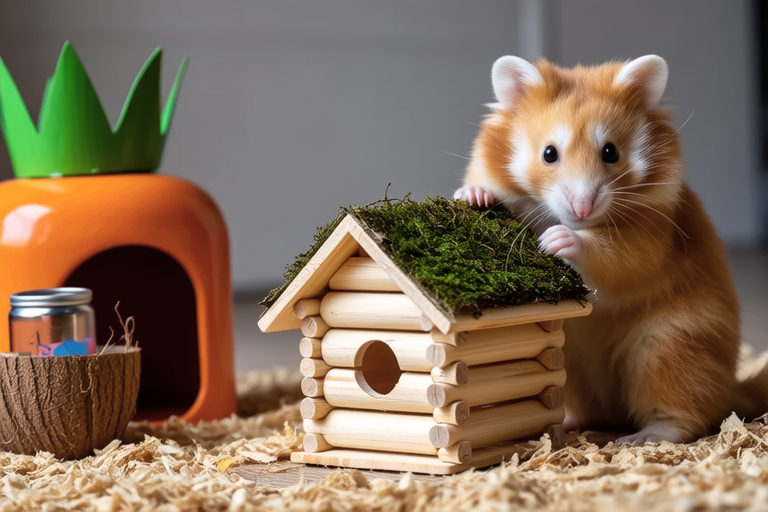
DIY Hamster Habitat Decorations: Easy Ideas for a Playful Pet Space
Creating a stimulating and enriching environment is crucial for the health and happiness of your hamster. Just like humans, hamsters need mental and physical stimulation to thrive. A well-decorated habitat not only keeps your pet entertained but also helps prevent behavioral issues such as boredom and stress. This guide will walk you through easy-to-make DIY decorations and toys, ensuring your hamster has a safe and enjoyable space.
The Importance of Enrichment
A hamster’s living space should be more than just a place to sleep; it should be an adventure playground. Providing your hamster with various textures, hiding spots, and activities encourages natural behaviors, reduces stress, and prevents obesity. A mentally stimulated hamster is less likely to engage in destructive chewing or digging, making life easier for both you and your furry friend.
Safe Materials for Decoration
When choosing materials for your hamster’s habitat, safety is paramount. Here’s a list of common household items that are safe and suitable for hamster enrichment:
- Paper towel rolls
- Toilet paper rolls
- Cotton balls
- Bamboo sticks
- Fleece fabric
- Pine cones (ensure they’re free from pesticides)
- Cardboard boxes
- Plastic containers (cleaned thoroughly)
- Untreated wood
- Unbleached coffee filters
DIY Hamster Habitat Decorations
1. Tunnel System
Hamsters love to burrow and explore. Creating a tunnel system from toilet paper rolls is an excellent way to encourage this behavior. Follow these steps:
- Take several toilet paper rolls and cut them into shorter sections.
- Use non-toxic glue or double-sided tape to connect the sections end-to-end.
- Arrange the tunnels in a zigzag pattern to mimic natural burrows.
- Place the tunnel system near the entrance of the habitat for easy access.
Ensure the tunnel openings are large enough for your hamster to pass through comfortably.
2. Hideout Hut
A cozy hideout is essential for your hamster’s sense of security. Here’s how to make one:
- Find a small cardboard box or a plastic container.
- Cut a small door in one side of the box.
- Line the inside with soft fleece fabric or shredded paper for extra comfort.
- Place the hideout hut in a corner of the habitat.
This provides a safe space for your hamster to retreat when feeling threatened.
3. Chew Toy Log
Hamsters have strong teeth that need regular exercise. A chew toy log made from untreated wood can help keep those pearly whites in check:
- Select a small, untreated wooden branch.
- Scrape off any bark to remove potential toxins.
- Wash the branch thoroughly and let it dry completely.
- Attach the branch to the side of the habitat using non-toxic glue or secure it with a piece of string.
Ensure the branch is smooth and free from splinters to avoid injury.
4. Fleece Tunnels
Fleece tunnels offer a soft and comfortable alternative to cardboard tunnels:
- Cut a long strip of fleece fabric.
- Roll the fabric tightly to form a tube.
- Tie knots at intervals along the length of the tube to create sections.
- Place the fleece tunnels throughout the habitat for added texture and fun.
This provides your hamster with a soft, cozy place to explore.
5. Foraging Puzzle
Foraging puzzles challenge your hamster’s problem-solving skills and provide mental stimulation:
- Take a small plastic container and cut holes of varying sizes in the lid.
- Fill the container with treats like seeds or dried fruits.
- Secure the lid onto the container.
- Place the foraging puzzle in the habitat for your hamster to discover.
This encourages natural foraging behavior and keeps your pet engaged.
Arranging the Habitat
Once you’ve created these decorations, it’s time to arrange them thoughtfully within the habitat. Place the hideout hut in a quiet corner, away from high traffic areas. Position the tunnel system near the entrance for easy access. Scatter the fleece tunnels and foraging puzzles throughout the habitat to encourage exploration. The chew toy log can be attached to the side, providing a convenient chewing option.
Ensure there is ample space for your hamster to run around and stretch its legs. Avoid overcrowding the habitat, as this can lead to stress and anxiety.
Maintaining a Clean and Healthy Habitat
Regular maintenance is key to keeping your hamster’s habitat clean and safe. Check all decorations weekly for signs of wear and tear. Replace any damaged items immediately to prevent injuries. Clean the entire habitat thoroughly every few weeks, removing soiled bedding and washing all accessories with mild soap and water.
Monitor your hamster’s behavior closely. If you notice any changes in activity levels or appetite, consult a veterinarian. Regular check-ups can help catch potential health issues early.
By following these guidelines and incorporating these DIY decorations, you can ensure your hamster enjoys a playful and stimulating environment. Remember, a happy hamster is a healthy hamster!
