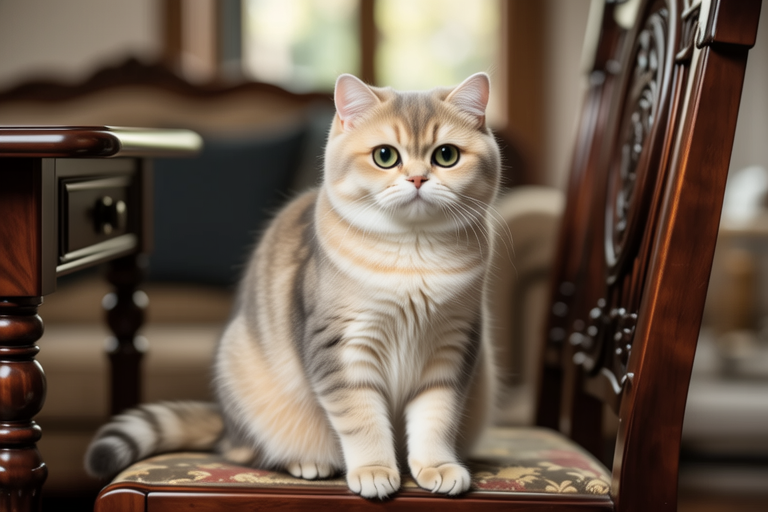
The Golden British Shorthair: From Royal Favourites to Modern Companions
The Golden British Shorthair cat is a breed with a rich history that has seen it transition from being favoured by British nobility to becoming beloved pets worldwide. Known for its robust physique, luxurious coat, and gentle disposition, this breed has captured the hearts of many. This article delves into the history, characteristics, and care of the Golden British Shorthair, providing insights into their unique attributes and the steps necessary to ensure their health and happiness.
History and Origins
The origins of the British Shorthair can be traced back to ancient Egypt, where cats were revered and worshipped. These felines made their way to Britain via the Romans, who brought them over during their conquests. Over centuries, these cats interbred with local breeds, eventually evolving into the British Shorthair we know today. The golden variant, however, is a more recent development, gaining popularity in the mid-20th century.
During the Victorian era, the British Shorthair was particularly cherished by the aristocracy. Queen Victoria herself owned several, and it was during this time that the breed began to gain recognition. Their popularity among the nobility helped establish the breed’s reputation for elegance and refinement. In the early 20th century, the breed faced near extinction due to World War I and II, but dedicated breeders worked tirelessly to revive it.
Physical Traits
Golden British Shorthairs are known for their striking golden coats, which can range from light cream to deep amber. Their coats are dense and plush, giving them a lion-like appearance. They have a robust build, with a broad chest and muscular body, and are often described as looking like miniature lions. Their heads are round, with large, expressive eyes that typically match the shade of their coat, adding to their regal appearance.
One notable anecdote involves a Golden British Shorthair named “Sir Percy,” who was owned by a member of the British aristocracy. Sir Percy was known for his impeccable manners and regal bearing, often sitting upright and posing as if he were a portrait subject. His owner, a prominent figure in society, frequently hosted gatherings at which Sir Percy would be the centre of attention.
Temperament
The Golden British Shorthair is renowned for its calm and gentle nature. They are affectionate, making excellent companions for families and individuals alike. Despite their dignified appearance, they are playful and enjoy interactive playtime. Their temperament makes them well-suited for homes with children and other pets. However, they can also be independent, sometimes preferring to observe from a distance rather than engage in constant interaction.
One story that exemplifies their adaptable nature is that of “Lady Whiskers,” a Golden British Shorthair who was adopted from a shelter. Lady Whiskers initially found it challenging to adjust to her new home, but with patience and love, she gradually opened up, becoming a cherished member of the family. Her transformation illustrates the breed’s ability to thrive in various environments.
Health Considerations
Like all breeds, Golden British Shorthairs are prone to certain health issues. Hip dysplasia and hypertrophic cardiomyopathy (HCM) are two conditions that owners should be aware of. Regular veterinary check-ups are essential for early detection and management of these conditions. Additionally, maintaining a healthy weight through proper diet and exercise can help prevent obesity-related health problems.
Vaccinations and routine deworming are also crucial for keeping your Golden British Shorthair healthy. Annual vet visits allow for thorough examinations and timely updates on vaccinations and preventive treatments. It is advisable to discuss any concerns or symptoms with your veterinarian promptly to ensure your cat receives the best possible care.
Grooming Needs
The Golden British Shorthair’s luxurious coat requires regular grooming to maintain its lustrous appearance. Weekly brushing helps remove loose hair and prevents matting. Bathing should be done only when necessary, as frequent bathing can strip the coat of its natural oils. Using a high-quality, pH-balanced shampoo specifically designed for cats is recommended.
Toothbrushing is another important aspect of grooming. Dental hygiene is vital for preventing periodontal disease, which can lead to serious health issues. Introducing toothbrushing early in life can make the process easier and more enjoyable for both you and your cat. There are special brushes and toothpastes available that are safe and effective for feline use.
Dietary Requirements
A balanced diet is crucial for the overall health and well-being of your Golden British Shorthair. High-quality commercial cat foods that meet AAFCO standards are generally sufficient. These diets provide the necessary nutrients, including proteins, fats, carbohydrates, vitamins, and minerals. However, it is always wise to consult with your veterinarian to determine the most appropriate diet based on your cat’s age, weight, activity level, and any specific health needs.
Treats should be given sparingly, as they can contribute to weight gain if overindulged. Fresh water should be available at all times to keep your cat hydrated. Monitoring your cat’s food intake and adjusting portions as needed can help maintain a healthy weight and prevent obesity.
Care Tips for Potential Owners
Creating a nurturing environment is essential for the health and happiness of your Golden British Shorthair. Providing a safe space for your cat to retreat to when feeling overwhelmed is crucial. This could be a quiet corner with a comfortable bed or a cozy nook where they can feel secure.
Interactive play sessions are beneficial for both mental and physical stimulation. Toys that encourage chasing, pouncing, and climbing can help satisfy your cat’s natural instincts. Puzzle feeders can also be used to make mealtime more engaging and mentally stimulating.
Socialization is key to helping your Golden British Shorthair become comfortable around different people and situations. Exposing your cat to various stimuli from an early age can foster confidence and reduce anxiety in unfamiliar settings. Gradual introductions to new experiences can help your cat adapt more easily.
Conclusion
The Golden British Shorthair has come a long way since its days as a favoured companion of British nobility. Today, it is cherished by pet owners worldwide for its regal appearance, gentle temperament, and adaptability. By understanding the breed’s history, characteristics, and care requirements, potential owners can provide their Golden British Shorthair with the best possible life. With proper attention to diet, grooming, health, and socialization, these magnificent cats can reach ‘purrfection’ in both health and happiness.
