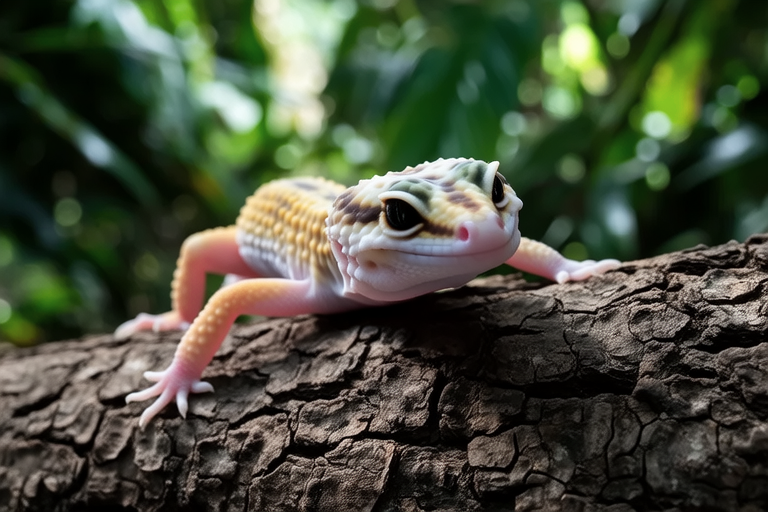
The Mysterious World of Chameleons
Chameleons are among the most intriguing creatures in the animal kingdom, known for their remarkable ability to change colors, their specialized diets, and their unique social behaviors. These reptiles have captivated humans for centuries, and their distinct features make them one of the most studied species in biology. This article delves into the various aspects of chameleon life, from their color-changing abilities and dietary preferences to their social behaviors, habitat adaptations, and communication methods. We will also explore their daily routines, reproduction processes, and the challenges they face in both natural and captive environments.
Color-Changing Abilities: A Cloak of Camouflage
One of the most distinctive traits of chameleons is their ability to change color. Contrary to popular belief, chameleons don’t alter their hue to match their surroundings but rather to communicate, regulate body temperature, or express emotions. Their color-changing mechanism is controlled by specialized cells called chromatophores, which contain pigments that reflect different wavelengths of light.
These cells are arranged in layers beneath the chameleon’s transparent outer skin. When the reptile wants to change color, it expands or contracts these cells, allowing different pigments to become visible. For instance, a chameleon may turn bright green when relaxed or brown when threatened. Some species can even display intricate patterns or flashes of color during courtship rituals.
Scientists have found that chameleons can produce up to 11 different colors, including blues, reds, yellows, and greens. This extensive palette allows them to communicate effectively with other chameleons, whether it’s warning off rivals or attracting potential mates. The speed at which they can change color is also impressive, sometimes completing the process in just a few seconds.
Dietary Preferences: Masters of Insect Capture
Chameleons are primarily insectivorous, meaning their diet consists mainly of insects. They have adapted to become highly efficient hunters, thanks to their long, sticky tongues that can extend up to twice their body length. Their tongues are covered in a layer of mucus that helps them capture prey with ease. Once the tongue makes contact, it retracts rapidly, pulling the insect back into the chameleon’s mouth.
Aside from insects, some larger chameleon species may occasionally consume small vertebrates like lizards or birds. However, their diet is predominantly made up of crickets, grasshoppers, locusts, and other arthropods. In captivity, chameleons are often fed commercially available insects, such as mealworms or wax moths, to ensure they receive a balanced diet.
Chameleons’ hunting techniques are incredibly precise. They rely on their excellent vision, which is one of the most advanced in the reptile world. Each eye can move independently, allowing them to focus on two different objects simultaneously. This unique capability enables them to spot prey from great distances and strike accurately.
Social Behaviors: Solitary Creatures with Complex Interactions
Chameleons are generally solitary animals, spending most of their time alone. They prefer to live in trees, where they can find food and avoid predators. Despite their solitary nature, chameleons engage in complex social interactions, especially during mating season. Male chameleons compete for females through elaborate displays of color and behavior, often engaging in “duels” to establish dominance.
During these duels, males may puff out their throats, bob their heads, or display vibrant colors to intimidate rivals. The female, however, plays a crucial role in determining the outcome of these competitions. She may choose the male with the most impressive display or simply reject both contenders if she is not interested in mating.
Female chameleons are responsible for laying eggs, typically digging a shallow nest in the ground to deposit them. After laying the eggs, the female abandons them, leaving the offspring to fend for themselves. The eggs hatch after several months, depending on the species and environmental conditions. Baby chameleons are fully independent from birth, capable of hunting and caring for themselves.
Habitat Adaptations: Surviving in Diverse Environments
Chameleons are highly adaptable creatures, capable of thriving in a wide range of habitats, from tropical rainforests to deserts. Their ability to change color allows them to blend seamlessly into their surroundings, providing protection from predators and helping them ambush unsuspecting prey. Many chameleon species have evolved specialized feet that enable them to grip branches and rocks with ease, allowing them to navigate challenging terrain.
In addition to their physical adaptations, chameleons have developed behavioral strategies to survive in harsh environments. For example, some species have learned to bask in the sun during the cooler parts of the day to warm their bodies, while others seek shade to prevent overheating. Their long tongues also help them reach food sources that would otherwise be out of reach, ensuring they can find sustenance even in difficult conditions.
Despite their adaptability, many chameleon species face threats in their natural habitats due to deforestation, climate change, and human encroachment. Conservation efforts are essential to protect these unique animals and preserve their ecosystems.
Methods of Communication: Silent Yet Effective
While chameleons may not vocalize like many other animals, they have developed sophisticated non-verbal communication methods. As mentioned earlier, color changes play a significant role in conveying messages between individuals. However, chameleons also use body language, such as head movements and tail positioning, to express themselves.
For instance, a chameleon may flick its tail or flatten its body to appear larger and more intimidating to potential threats. Conversely, it may tuck its tail and lower its head to show submission or fear. These subtle gestures can convey a wealth of information about the chameleon’s mood and intentions, allowing individuals to interact safely and effectively.
Chameleons also use visual signals to communicate, particularly during courtship. Males may perform elaborate dances, moving their bodies in specific patterns to attract females. If successful, the female will respond with her own set of signals, indicating her willingness to mate. This intricate dance of communication ensures that only compatible partners reproduce, increasing the chances of producing healthy offspring.
Daily Routines: A Life of Solitude and Purpose
A typical day in the life of a chameleon revolves around hunting, basking, and resting. Early in the morning, chameleons emerge from their nighttime retreats to bask in the sun, warming their bodies and preparing for the day ahead. Once warmed, they begin actively searching for food, using their keen eyesight to locate and capture insects.
Throughout the day, chameleons will alternate between periods of activity and rest, conserving energy for future hunts. They spend much of their time perched on branches or rocks, scanning their surroundings for potential prey. As the temperature rises, they may seek shade to avoid overheating, returning to their favorite spots when conditions improve.
At dusk, chameleons prepare for sleep by finding a secure location, often high in the canopy or on the underside of leaves. They curl their tails around branches for support and close their eyes, entering a state of deep relaxation. During the night, chameleons conserve energy and remain relatively inactive until the next morning.
Reproduction Processes: A Complex Cycle of Life
The reproductive cycle of chameleons is a fascinating process that involves intricate courtship rituals and careful egg-laying. Mating occurs during specific times of the year, usually when environmental conditions are optimal for raising young. Male chameleons initiate courtship by displaying vibrant colors and performing elaborate dances to attract females.
If the female is receptive, mating takes place, and the male transfers sperm to the female’s cloaca. Following fertilization, the female prepares to lay her eggs. She digs a shallow nest in the ground, using her hind legs to create a suitable environment for her offspring. Once the nest is ready, the female deposits her eggs and covers them with soil to protect them from predators.
The eggs incubate underground for several months, depending on the species and environmental factors. When the time is right, the baby chameleons hatch and immediately begin their independent lives. They must quickly learn to hunt and survive in their new environment, relying on their instincts and physical adaptations to thrive.
Challenges in Natural and Captive Environments
Chameleons face numerous challenges in both their natural habitats and captivity. In the wild, they must contend with threats such as predation, habitat loss, and competition for resources. Human activities, such as deforestation and urban development, have significantly reduced the availability of suitable habitats for many chameleon species. Climate change further exacerbates these issues, altering weather patterns and disrupting ecosystems.
In captivity, chameleons require specific care to maintain their health and well-being. They need appropriate enclosures that mimic their natural environments, including ample space for climbing and basking. Proper lighting, temperature control, and humidity levels are essential for their survival. Additionally, chameleons require a varied diet and access to clean water to stay healthy.
Despite these challenges, chameleons continue to fascinate and inspire people around the world. Their unique characteristics and behaviors offer valuable insights into the diversity of life on Earth, encouraging us to appreciate and protect these remarkable creatures.
Conclusion
Chameleons are truly extraordinary animals, with their color-changing abilities, specialized diets, and complex social behaviors making them stand out in the animal kingdom. From their daily routines to their reproductive processes, these reptiles demonstrate remarkable adaptability and resilience. By understanding the challenges they face in both natural and captive environments, we can work towards preserving their habitats and ensuring the continued survival of these fascinating creatures.
