Caring for Your Parrot Fish: Essential Tips for Happy Pets
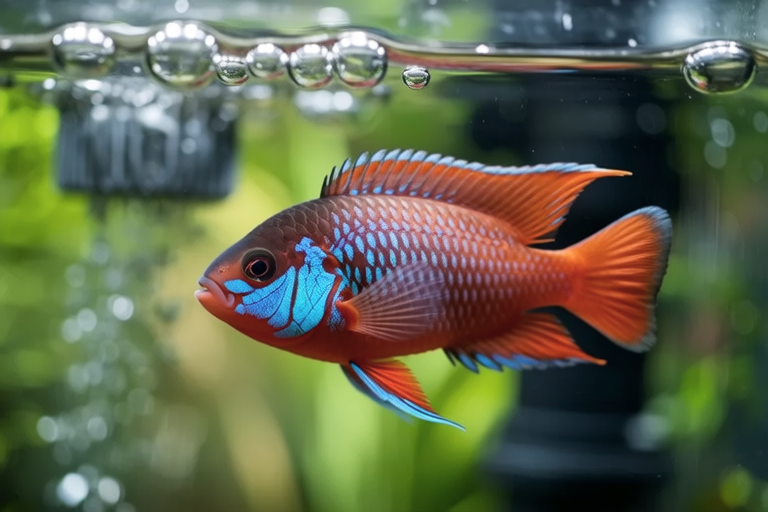
Parrot fish are vibrant, colorful, and entertaining additions to any aquarium. These freshwater fish are known for their unique appearance, with their bright colors and distinctive hump. However, they require specific care and attention to thrive. This article will provide you with essential tips to ensure your parrot fish live long, healthy, and happy lives.
Proper Tank Setup
The first step in caring for your parrot fish is setting up an appropriate tank environment. A minimum tank size of 55 gallons is recommended for a single parrot fish, but a larger tank will allow more space for swimming and reduce stress. The tank should have a secure lid to prevent the fish from jumping out, as parrot fish are known for their acrobatic behavior.
Substrate is another important consideration. Parrot fish enjoy digging and sifting through the substrate, so it’s best to use large, smooth gravel or sand that won’t cause injury to their mouths. Avoid sharp substrates like crushed coral or small pebbles.
In terms of decorations, provide hiding spots and caves for your parrot fish to explore and feel secure. Live plants can also be beneficial, though some species may nibble on them. Use sturdy, hardy plants that can withstand some grazing.
Water Conditions
Parrot fish are sensitive to changes in water quality, so maintaining optimal conditions is crucial. The ideal temperature range for parrot fish is between 76°F and 82°F (24°C and 28°C). Use a reliable aquarium heater to maintain a stable temperature.
pH levels should be kept between 6.5 and 7.5, and hardness between 5 and 15 dGH. Regular testing of these parameters is necessary to ensure the water remains within the acceptable range. Perform weekly partial water changes of about 20% to remove waste products and replenish essential minerals.
Adequate filtration is vital for maintaining water quality. Choose a filter that provides at least four to six times the volume of the tank per hour in water flow. Consider adding an additional external filter if the internal one is insufficient. Additionally, use activated carbon in the filter to help absorb toxins and improve water clarity.
Diet and Feeding Schedules
Parrot fish are omnivores and require a balanced diet to maintain their health and vibrant coloration. Their diet should consist of high-quality flake food, pellets, and frozen or freeze-dried foods. Supplement their diet with fresh vegetables like zucchini, peas, and spinach, which can be blanched and fed weekly.
Feeding should occur twice daily, providing only what the fish can consume within a few minutes. Overfeeding can lead to poor water quality and health problems. Monitor your fish’s eating habits to adjust portions accordingly.
Common Health Issues
Despite proper care, parrot fish may still face health challenges. One of the most common issues is fin rot, characterized by frayed or discolored fins. This condition is often caused by poor water quality or bacterial infections. Addressing this requires improving water conditions and treating the fish with an antibiotic medication.
Another frequent problem is swim bladder disorder, where the fish has difficulty maintaining balance. This can be due to overfeeding or constipation. To help alleviate this, feed the fish with a pea, which acts as a mild laxative. If the condition persists, consult a veterinarian specializing in aquatic animals.
Parrot fish are also prone to parasitic infections, such as ich, which manifests as white spots on the body. Treating ich involves raising the tank temperature to 86°F (30°C) and using an appropriate medication.
Behavioral Insights
Parrot fish exhibit fascinating behaviors that make them enjoyable companions. They are curious and active, often exploring their surroundings and interacting with other fish. However, they can also be territorial, especially during feeding time. It’s advisable to introduce new fish gradually and monitor interactions closely.
Some parrot fish may develop aggressive tendencies towards tank mates, particularly when competing for food. Providing ample hiding spots and ensuring sufficient space can help mitigate aggression. If conflicts persist, consider separating the fish into different tanks.
Regular Maintenance and Environmental Enrichment
Maintaining a clean and stimulating environment is key to keeping your parrot fish healthy and happy. Regular water changes, filter maintenance, and substrate cleaning are essential tasks. Additionally, rotate toys and decorations periodically to provide new experiences and mental stimulation.
To further enrich their environment, consider adding floating plants or ornaments that mimic natural habitats. Incorporate interactive elements like sinking treats or puzzle feeders to encourage natural foraging behaviors. These activities not only enhance the fish’s physical health but also promote psychological well-being.
Expert Advice
Consulting with experienced aquarists or veterinarians can provide invaluable guidance. They can offer personalized recommendations based on your specific setup and fish’s needs. Joining local aquarium clubs or online forums allows you to connect with fellow enthusiasts who share similar interests and challenges.
Remember, patience and consistency are vital in caring for parrot fish. Establishing a routine for feeding, cleaning, and monitoring ensures a stable and enriched environment. By following these guidelines and staying attentive to your fish’s behavior, you can create a thriving home for your colorful and captivating parrot fish.
