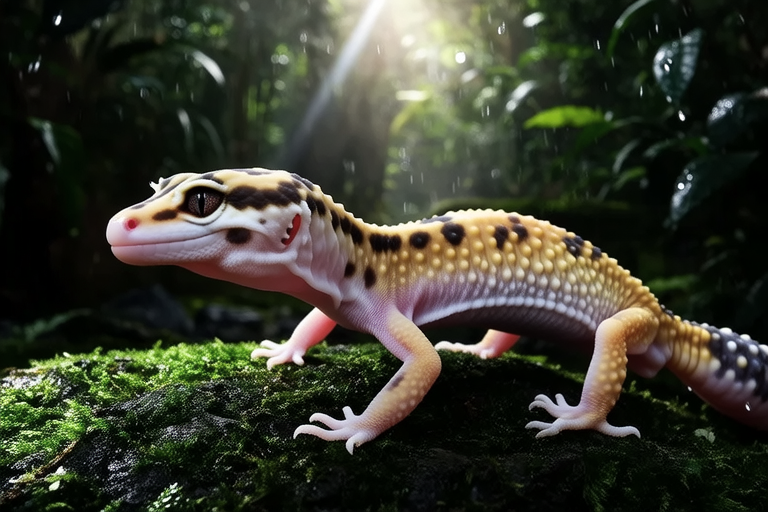
From Jungle to Home: The Fascinating Journey of Domesticated Chameleons
Introduction:
The chameleon, a creature that has long captured human imagination, thrives in the lush, dense environments of tropical forests across Africa, Madagascar, southern Europe, and parts of Asia. These remarkable reptiles are known for their distinctive physical features, including their prehensile tails, independently rotating eyes, and the ability to change color. In the wild, chameleons lead solitary lives, spending most of their time perched on branches, waiting patiently for insects to pass by. Their natural habitat is a complex ecosystem where they have adapted over millions of years to survive and thrive. This article explores the journey of these jungle creatures as they transitioned from their native habitats to becoming popular pets in homes around the world.
Natural Habitat and Behavior in the Wild
Chameleons inhabit a wide range of environments, from dense rainforests to arid scrublands. They are primarily arboreal, meaning they live among the trees, where they can find shelter, food, and mates. Their natural diet consists mainly of insects, such as crickets, grasshoppers, and moths. Chameleons are ambush predators, relying on their exceptional camouflage and lightning-fast tongues to catch prey. They are territorial and often aggressive towards other chameleons, especially males, during mating season.
Their color-changing abilities serve multiple purposes, from blending into their surroundings to communicate with other chameleons. For instance, darker colors may indicate stress or aggression, while brighter hues are used during courtship displays. Their eyes, which can rotate 180 degrees independently, allow them to scan for threats and potential food sources without moving their head.
Historical Context: Transitioning from Jungle to Home
The history of chameleons as pets dates back centuries. Ancient Egyptians and Romans were fascinated by these animals and kept them as exotic curiosities. However, it was not until the mid-20th century that chameleons began to be commonly kept as pets in Western countries. Advances in veterinary medicine and captive breeding techniques made it possible to keep chameleons healthy and thriving in home environments.
The first chameleons brought to Europe were typically imported from Madagascar, where many species are endemic. Over time, more species were introduced, and selective breeding programs began to develop. Today, several species are available in the pet trade, with the veiled chameleon (Chamaeleo calyptratus) being one of the most popular choices for beginners.
Challenges and Considerations in Caring for a Pet Chameleon
Owning a pet chameleon requires careful consideration of their specific needs. First and foremost, creating an appropriate environment is crucial. A well-designed enclosure mimics the conditions of their natural habitat, providing ample vertical space, branches for climbing, and hiding spots. Heating and lighting are essential, as chameleons require specific temperature and light gradients to regulate their body temperature and metabolism.
Dietary requirements are another critical aspect of chameleon care. In the wild, chameleons eat a variety of insects, but in captivity, owners must ensure a balanced diet that includes calcium, vitamins, and water. Gut-loading insects before feeding them to the chameleon helps enhance their nutritional value. Regular misting of the enclosure also ensures that the chameleon stays hydrated.
Healthcare is vital, as chameleons are prone to certain ailments, such as metabolic bone disease and respiratory infections. Routine veterinary check-ups and proper husbandry practices help prevent these issues. Owners must also be vigilant about recognizing signs of illness, such as lethargy, loss of appetite, or changes in behavior.
Unique Physical Adaptations
Chameleons possess several unique physical adaptations that make them fascinating subjects of study. One of the most famous is their ability to change color. While this is often misunderstood as a form of camouflage, it actually serves various purposes, including communication and thermoregulation. The color-changing process involves specialized cells called chromatophores, which expand or contract depending on the chameleon’s mood or environment.
Another remarkable feature is their eyesight. Chameleons have binocular vision, allowing them to focus on objects at different distances simultaneously. Their eyes can move independently, giving them a nearly 360-degree field of view. This adaptation helps them spot prey and avoid predators with great precision.
Their feet are another example of evolutionary ingenuity. Each toe is split into two groups, which allows them to grip onto surfaces securely. Combined with their prehensile tail, chameleons can move effortlessly through the trees, hanging upside down if necessary.
Responsibilities and Rewards of Owning a Chameleon
Owning a pet chameleon comes with significant responsibilities. Providing proper care requires dedication and commitment, as these animals have specific needs that must be met consistently. However, the rewards of owning a chameleon can be immense. Watching these creatures display their unique behaviors, such as changing color or catching insects with their tongues, can be incredibly rewarding. Many owners find their chameleons to be captivating companions, even though they are not interactive in the same way as dogs or cats.
It is essential to approach chameleon ownership ethically. Purchasing from reputable breeders who prioritize animal welfare is crucial. Avoid supporting the illegal pet trade, which can contribute to the decline of wild populations. Additionally, understanding the long-term commitment involved in keeping a chameleon ensures that both the owner and the animal can thrive.
In conclusion, the journey of chameleons from jungle to home is a testament to the adaptability and resilience of these remarkable creatures. While challenging, caring for a pet chameleon can be a deeply rewarding experience for those willing to meet the unique demands of their care. By understanding and respecting their natural behaviors and needs, owners can provide these fascinating animals with a comfortable and enriching life outside their native habitats.
