Siamese Cats: The Secret Behind Their Charming Personality Traits
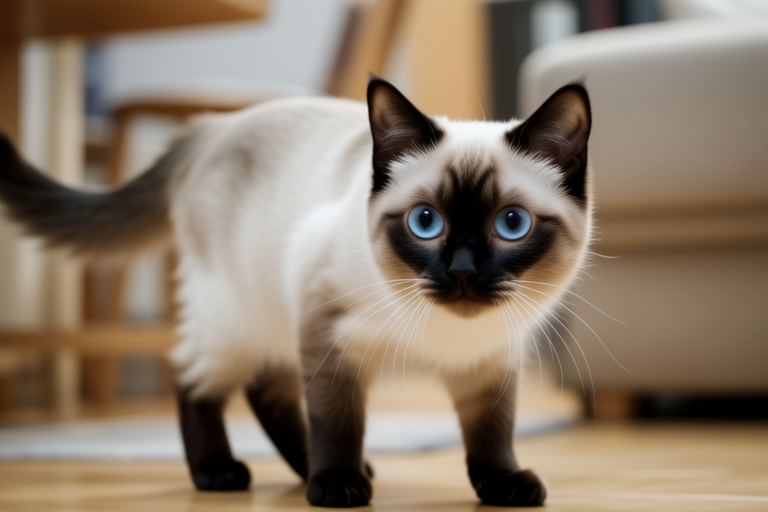
The Siamese cat, with its striking blue almond-shaped eyes and pointy ears, has long been a favorite among cat enthusiasts. Known for their vocal nature, intelligence, and affectionate demeanor, Siamese cats have captured the hearts of many. This article delves into the unique personality traits of Siamese cats, exploring their origins, behavior, and why they are renowned for their engaging personalities. Additionally, we’ll provide tips for potential owners on how to best care for and interact with these captivating creatures.
Origins of the Siamese Cat
The Siamese cat’s history is as fascinating as its appearance. Originating from Thailand (formerly Siam), these cats were revered in ancient times. They were often depicted in traditional Thai paintings and sculptures, symbolizing loyalty and companionship. According to legend, Siamese cats were once entrusted with guarding valuable objects such as royal jewelry. It was believed that they would wrap their tails around these treasures to protect them.
The first documented exportation of Siamese cats occurred in the late 19th century when several specimens were sent to England. These cats quickly gained popularity due to their distinctive looks and charming personalities. By the early 20th century, Siamese cats had made their way across the Atlantic Ocean, becoming favorites in American households as well.
Distinctive Physical Characteristics
Siamese cats possess several physical characteristics that set them apart from other breeds. Their most notable feature is their coat, which features a pointed pattern where the body remains lighter while the extremities—ears, face, paws, and tail—are darker. This coloration is caused by a temperature-sensitive enzyme that produces melanin only in cooler areas of the body. As a result, Siamese kittens are born white but gradually develop their characteristic markings as they grow older.
Another defining trait of Siamese cats is their sleek, muscular bodies. They are medium-sized cats with slender builds and long, tapering tails. Their heads are wedge-shaped, complemented by large, expressive eyes that give them an almost human-like appearance. These physical attributes contribute to their graceful movements and elegant posture.
Personality Traits of Siamese Cats
Siamese cats are famous for their social and interactive nature. They thrive on human companionship and often form strong bonds with their owners. These cats are highly vocal, often meowing or chirping to communicate their needs or simply to engage in conversation. Some Siamese cats even develop distinct “conversations” with their humans, responding to familiar phrases or tones.
One of the most endearing qualities of Siamese cats is their playfulness. They enjoy interactive toys and games, making them excellent candidates for puzzle feeders or laser pointers. Their intelligence allows them to quickly learn tricks and respond to commands, further enhancing their bond with their owners. However, this intelligence also means that Siamese cats can become bored easily if not given enough mental stimulation.
Despite their playful nature, Siamese cats can be quite sensitive and may react strongly to changes in their environment. They prefer routine and consistency, so any disruptions—such as moving to a new home or introducing a new pet—can cause stress. Owners should be mindful of these sensitivities and provide extra comfort during periods of transition.
Scientific Insights into Siamese Cat Behavior
Recent studies have shed light on the genetic basis behind some of the Siamese cat’s unique behaviors. Research has identified specific genes responsible for their vocalizations and social tendencies. One particular gene, called the tyrosinase-related protein 1 (TYRP1), plays a crucial role in determining coat color patterns and may also influence certain aspects of behavior.
Additionally, Siamese cats exhibit higher levels of oxytocin—a hormone associated with bonding and attachment—compared to other cat breeds. This heightened level of oxytocin contributes to their strong desire for social interaction and their ability to form deep connections with their owners. Understanding these biological factors helps explain why Siamese cats are often described as being more “dog-like” in their behavior.
Tips for Potential Owners
If you’re considering adopting a Siamese cat, there are several important factors to keep in mind. First and foremost, it’s essential to understand that these cats require significant attention and interaction. They do not fare well when left alone for extended periods and may become depressed or destructive if neglected. For this reason, Siamese cats are generally better suited for households where someone is frequently at home.
To meet their social needs, consider providing plenty of interactive toys and activities that encourage mental stimulation. Puzzle feeders, treat-dispensing balls, and laser pointers can all help keep your Siamese cat engaged and entertained. Additionally, spending time playing with your cat each day will strengthen your bond and ensure they remain happy and healthy.
Given their sensitivity to environmental changes, it’s also wise to establish a consistent daily routine for your Siamese cat. Feed them at the same time each day, maintain regular cleaning schedules, and try to minimize sudden disruptions. If you must make changes to their environment, introduce them gradually and provide additional comfort measures such as extra blankets or pheromone diffusers.
Caring for Your Siamese Cat
Proper care is vital for ensuring the health and well-being of your Siamese cat. Regular veterinary check-ups are necessary to monitor their overall health and address any potential issues early on. Siamese cats are prone to certain health conditions, including dental problems, respiratory issues, and heart disease. Therefore, maintaining good oral hygiene and keeping an eye out for signs of illness is crucial.
In terms of diet, it’s important to choose high-quality food that meets their nutritional needs. Many Siamese cats benefit from diets rich in protein and low in carbohydrates. Consult with your veterinarian to determine the best feeding plan based on your cat’s age, weight, and activity level. Fresh water should always be available, and you may want to consider using a water fountain to encourage drinking.
Grooming is another aspect of caring for your Siamese cat. While their short coats require minimal maintenance, regular brushing can help remove loose hairs and prevent matting. Pay special attention to their ears, cleaning them gently with a soft cloth if necessary. Trim their nails regularly to avoid overgrowth and discomfort.
Conclusion
Siamese cats are truly remarkable animals, combining beauty with brains and charm. Their unique personality traits, shaped by both genetics and environment, make them beloved companions for many cat lovers. Whether you’re already a proud owner or considering adding one to your family, understanding the secrets behind their charming personalities will help you provide the best possible care and create a loving relationship built on trust and mutual affection.
