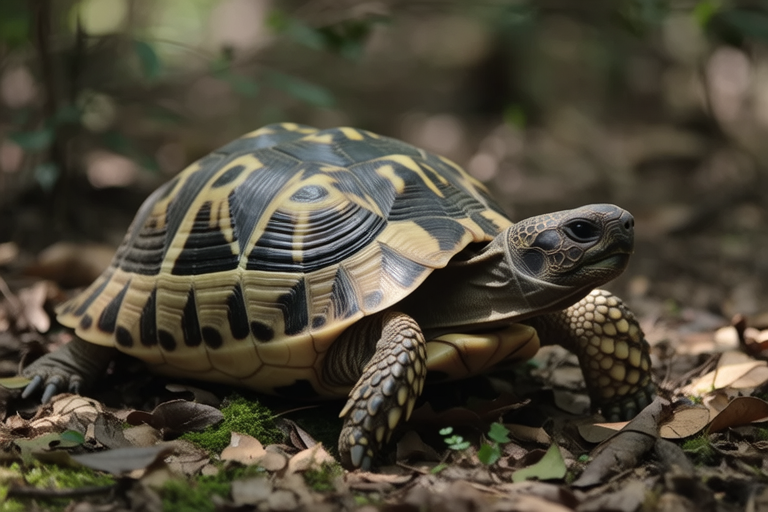
From Forest Floors to Backyards: The Journey of the Three-Striped Box Turtle
The three-striped box turtle (Terrapene triunguis) is a small but charismatic reptile native to parts of North America. With its distinctive three yellow stripes running down the center of its dark shell, this turtle stands out among its peers. These markings, along with its sturdy, dome-shaped carapace, make it easily recognizable. The three-striped box turtle is primarily found in the eastern and central United States, thriving in the diverse ecosystems of forests, meadows, and wetlands.
Natural Habitat and Behavior
Three-striped box turtles are well-adapted to life on the forest floor. They prefer humid, shaded areas with plenty of leaf litter and fallen logs, which provide them with shelter and camouflage from predators. Their natural habitat includes deciduous forests, where they can find an abundance of food and suitable nesting sites. These turtles are primarily terrestrial, spending most of their time on land, though they occasionally venture into shallow water bodies to drink or cool off.
Behaviorally, these turtles are solitary creatures, known for their slow movements and deliberate actions. They are active during the day, especially in the morning and late afternoon when temperatures are more moderate. Three-striped box turtles are omnivores, feeding on a variety of plant matter, insects, and small vertebrates. As they age, their diet shifts towards more vegetation, making them important seed dispersers within their ecosystem.
Diet and Adaptations
The diet of the three-striped box turtle is varied and seasonal, reflecting the availability of resources in their environment. Juvenile turtles tend to consume more protein-rich foods like insects, slugs, and worms. As they mature, their diet becomes more herbivorous, consisting of fruits, berries, and various plants. This dietary flexibility allows them to thrive in different habitats and ensures they have a balanced intake of nutrients throughout their lives.
Adaptations to their environment include their hinged plastron, which allows them to close their shell tightly when threatened, offering protection from predators. Their ability to burrow into the soil and remain dormant during cold weather also aids in survival during harsh winters. Additionally, their keen sense of smell helps them locate food sources and navigate through dense undergrowth.
Migration to Backyard Settings
In recent years, an increasing number of three-striped box turtles have been observed in suburban and urban backyards. This shift in habitat is largely due to human activities that have altered their natural landscapes. Deforestation, agricultural expansion, and urban development have reduced the availability of suitable forest habitats, forcing these turtles to seek refuge in more accessible areas.
Backyards often offer a mix of open spaces, gardens, and shrubs, which can mimic the conditions of their preferred habitats. The presence of water features, such as ponds or birdbaths, can also attract these turtles, providing them with essential resources. Moreover, the absence of natural predators in suburban areas makes backyards safer for these vulnerable reptiles.
Adapting to Suburban Environments
Once in backyards, three-striped box turtles quickly adapt to their new surroundings. They become familiar with the layout of the property, identifying safe spots for basking and hiding. Gardens filled with edible plants provide ample opportunities for feeding, while stone walls or woodpiles offer ideal hiding places. Despite these benefits, suburban living presents several challenges for these turtles.
One major challenge is the risk of road crossings, as turtles frequently attempt to cross streets in search of food or mates. Another issue is the potential for conflicts with pets, particularly dogs and cats, who may view the turtles as prey or playthings. Furthermore, the use of pesticides and fertilizers in gardens can be harmful to the turtles, affecting their health and the quality of their food sources.
Coexisting Harmoniously
To ensure the well-being of three-striped box turtles in backyard settings, homeowners can take several steps to create a welcoming environment. Providing shallow water sources, such as small ponds or birdbaths, encourages hydration and cooling. Planting native vegetation that provides both cover and food sources can help attract and sustain these turtles. Additionally, installing fences or barriers around garden areas can prevent accidental encounters with pets and reduce the likelihood of turtles being injured.
Education plays a crucial role in fostering positive interactions between humans and turtles. By understanding the needs and behaviors of these animals, homeowners can adopt practices that promote their safety and comfort. Encouraging neighbors to follow similar guidelines can further enhance the turtles’ chances of thriving in suburban environments.
Conservation Efforts and Preservation
The journey of the three-striped box turtle from forest floors to backyards underscores the importance of preserving their natural habitats. Conservation efforts are essential to protect these turtles and maintain biodiversity. Initiatives aimed at reforestation, habitat restoration, and reducing human impact on wild areas are vital for ensuring the long-term survival of the species.
Supporting local wildlife organizations and participating in citizen science projects can contribute significantly to conservation efforts. These programs often involve monitoring turtle populations, studying their behavior, and implementing strategies to mitigate threats. Engaging in community-based conservation projects not only aids in the protection of three-striped box turtles but also fosters a greater appreciation for the natural world.
In conclusion, the transition of three-striped box turtles from forest floors to backyards highlights the resilience and adaptability of these fascinating creatures. While their presence in suburban areas offers some opportunities for coexistence, it also underscores the need for concerted efforts to preserve their natural habitats. By supporting conservation initiatives and adopting responsible practices, we can help ensure the continued existence of these remarkable reptiles and the ecosystems they inhabit.
