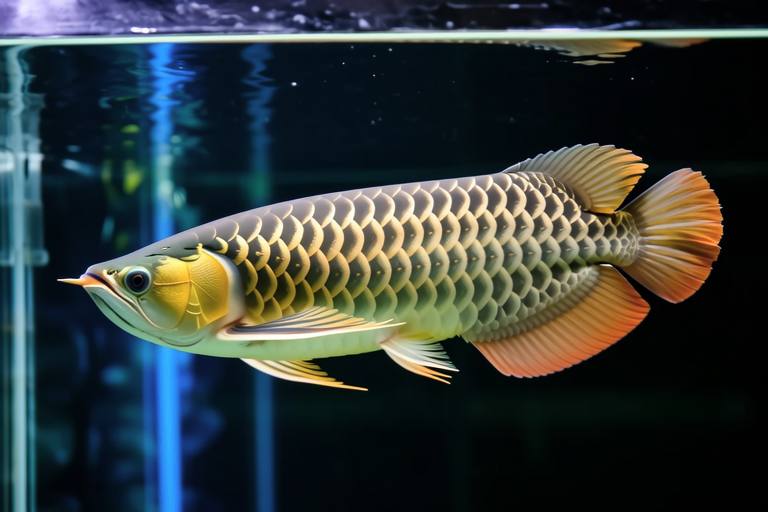
Unleashing the Magnificence: A Complete Guide to Arowana Care
Welcome to the world of the arowana, a species that captivates aquarists with its stunning appearance and rich cultural significance. Known as the ‘Dragon of the Water,’ the arowana is revered for its ancient origins and majestic presence. This guide will walk you through everything you need to know about providing the best care for your arowana, ensuring it thrives in your aquarium.
The Unique Beauty and Cultural Significance of Arowanas
Arowanas are renowned for their sleek, elongated bodies and shimmering scales that seem to catch the light in an almost magical way. Their vibrant colors and striking patterns make them stand out among other freshwater species. Beyond their visual appeal, arowanas hold significant cultural value, particularly in Asian cultures where they are seen as symbols of good luck and prosperity. In Chinese culture, the arowana is believed to bring wealth and protect against evil spirits, making it a popular choice for those looking to enhance their home or business风水.
Optimal Tank Setup
To provide your arowana with a thriving environment, start by setting up an appropriately sized tank. Arowanas require ample space to swim and explore, so a minimum tank size of 200 gallons (757 liters) is recommended for a single adult. As they grow larger, you may need to upgrade to even bigger tanks, potentially exceeding 300 gallons (1136 liters). Ensure the tank is tall enough to allow vertical swimming, which is essential for this active species.
The substrate should be smooth gravel or sand, avoiding sharp objects that could damage the arowana’s delicate underbelly. Decorate the tank with plenty of hiding spots and open spaces, providing a balance between security and room to move around. Live plants are beneficial, but choose sturdy varieties like Java ferns or Anubias to withstand the arowana’s robust nature.
Water Parameters Crucial for Their Health
Maintaining the right water conditions is paramount for the health of your arowana. Aim for a pH level between 6.8 and 7.5, slightly acidic to neutral. The water hardness should range from 5 to 12 dGH, and the temperature should be kept between 78°F and 84°F (25°C to 29°C).
Regular water changes are essential to keep the tank clean and free from harmful substances. Perform partial water changes of about 20% every week, increasing frequency if necessary based on water quality tests. Invest in a reliable filtration system capable of handling the bioload generated by your arowana, ensuring efficient mechanical, biological, and chemical filtration.
Diet and Feeding Guidelines
Arowanas are carnivorous fish, primarily feeding on live prey in their natural habitat. In captivity, they can adapt to a varied diet that includes high-quality pellets, frozen or freeze-dried foods such as bloodworms, brine shrimp, and krill. It’s important to offer a balanced diet that mimics their natural food sources, ensuring proper nutrition.
Feed your arowana two to three times daily, offering as much food as it can consume within five minutes. Overfeeding can lead to health problems, so monitor your fish’s eating habits carefully. Avoid feeding exclusively on one type of food to prevent nutritional deficiencies.
Appropriate Tank Mates
Selecting compatible tank mates for your arowana requires careful consideration. Due to their predatory nature and territorial behavior, it’s advisable to house them alone or with similarly-sized, non-aggressive species. Some suitable tank mates include large cichlids, pacu, and catfish. However, always research each potential companion thoroughly to ensure compatibility.
Avoid housing smaller fish or those with long, flowing fins, as these can become prey. Additionally, refrain from introducing aggressive species that might compete for resources or provoke stress in your arowana.
Common Health Issues with Prevention Tips
Like any aquatic animal, arowanas are susceptible to various health issues. One common problem is fin rot, caused by poor water quality or bacterial infections. To prevent this, maintain pristine water conditions and quarantine new additions to the tank for at least two weeks before introducing them to the main aquarium.
Another issue is parasitic infestations, which can be introduced through contaminated live foods or unsanitary conditions. Regular water changes, proper filtration, and quarantining new fish can help mitigate these risks. If you notice signs of illness, consult a veterinarian specializing in exotic pets for diagnosis and treatment options.
Behavioral Patterns and Environmental Fostering
Arowanas exhibit fascinating behaviors that reflect their natural instincts. They are known for their jumping abilities, sometimes leaping out of the water in pursuit of prey or as a display of dominance. While this behavior is captivating, it also poses a risk of injury, especially if the tank lacks proper cover or if the fish becomes stressed.
To foster a healthy environment for your arowana, ensure it has plenty of space to swim and explore. Provide adequate hiding spots and open areas, encouraging natural behaviors without overwhelming the fish. Regular interaction and observation can also help you understand your arowana’s preferences and needs, allowing you to tailor its environment for maximum comfort and well-being.
In conclusion, caring for an arowana is a rewarding endeavor that requires dedication and attention to detail. By following the guidelines outlined in this guide, you can create a thriving environment that allows your arowana to reach its full potential. Whether you’re a novice aquarist or an experienced enthusiast, the journey of nurturing these magnificent creatures is sure to be an enriching experience.
