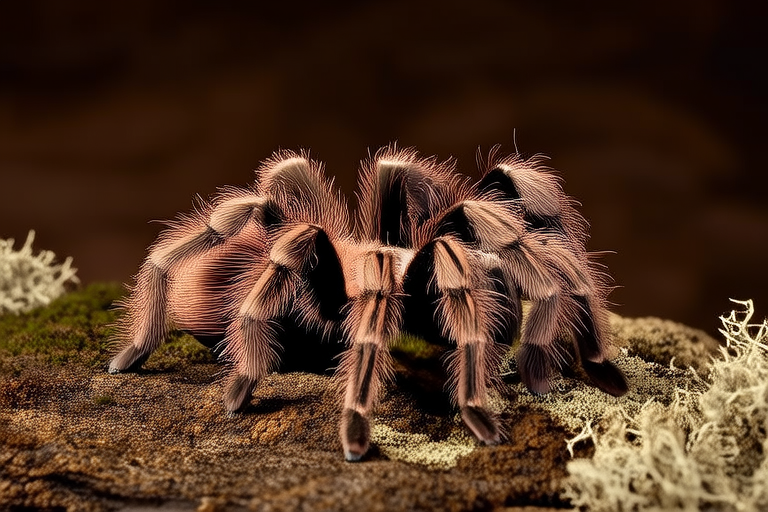
Unraveling the Mysteries of Keeping a Tarantula as a Pet
Tarantulas have long been shrouded in mystery, often portrayed as terrifying creatures in movies and folklore. However, these arachnids make fascinating and low-maintenance pets for those willing to look beyond the myths. With over 900 known species, tarantulas come in various sizes, colors, and temperaments, offering a diverse range of choices for potential owners. This article aims to demystify the world of tarantulas, providing valuable insights into their care, habitat setup, diet, and handling, while addressing common misconceptions and legal considerations.
The Unique Appeal of Tarantulas as Pets
Tarantulas are among the largest spiders in the world, captivating many with their size and unique appearance. They are generally docile and can be quite interactive with their keepers, making them an intriguing addition to any household. Unlike many other pets, tarantulas require minimal space and attention, making them ideal for individuals living in apartments or with busy schedules.
Care Requirements
Maintaining the health and happiness of your tarantula involves understanding its specific needs. Proper care includes providing the right temperature, humidity, and substrate, along with a suitable enclosure. The ideal temperature for most tarantulas ranges from 75 to 85 degrees Fahrenheit, while humidity levels should be kept between 60% and 80%. A well-draining substrate, such as coconut fiber or peat moss, helps maintain the necessary moisture levels.
Habitat Setup
The enclosure should be spacious enough to allow the tarantula to move freely but not so large that it feels exposed. A hide spot is essential, as tarantulas are naturally shy and prefer to remain hidden. Decorative elements like branches or cork bark can enhance the environment, providing additional hiding spots and climbing opportunities. It’s crucial to ensure all decorations are secure to prevent accidents.
Diet and Feeding
Tarantulas are carnivorous and primarily feed on live insects. Crickets, mealworms, and dubia roaches are popular choices. The frequency of feeding depends on the tarantula’s age and species, but typically once or twice a week is sufficient. It’s important to gut-load feeder insects with nutritious food before offering them to the tarantula to ensure optimal nutrition.
Handling Tips
While tarantulas can be handled, it’s crucial to approach them with care. Always use a soft brush or paper towel to gently coax the tarantula out of its enclosure. Avoid grabbing or squeezing the spider, as this can cause stress or injury. Regular, gentle handling can help the tarantula become accustomed to human interaction, but each spider has its own personality and tolerance level.
Common Misconceptions
One of the most prevalent misconceptions about tarantulas is that they are aggressive and dangerous. In reality, most tarantulas are quite docile and will only bite if provoked or threatened. Another myth is that tarantulas are difficult to care for. With proper research and preparation, keeping a tarantula can be a rewarding experience.
Selecting the Right Species for Beginners
For beginners, it’s advisable to start with a species known for its calm demeanor and ease of care. Popular choices include the Chilean rose tarantula (Grammostola rosea), the Mexican redknee tarantula (Brachypelma smithi), and the pinktoe tarantula (Avicularia avicularia). These species are relatively hardy and have manageable care requirements, making them excellent candidates for first-time tarantula owners.
Legal Considerations
Before bringing home a tarantula, it’s important to check local regulations. Some regions have restrictions on certain species, requiring permits or licenses. For instance, in the United States, some states prohibit the importation of exotic animals without a permit. Always consult with local authorities or a reputable breeder to ensure compliance with laws and regulations.
Reliable Information and Community Support
As a tarantula owner, having access to reliable information and a supportive community can greatly enhance your experience. Books, online forums, and local clubs dedicated to tarantulas provide valuable resources for learning more about these fascinating creatures. Engaging with experienced keepers can offer practical advice and help you troubleshoot any issues that may arise.
In conclusion, tarantulas offer a unique and rewarding pet experience for those willing to explore beyond the myths. By understanding their care requirements, habitat setup, diet, and handling techniques, you can provide a comfortable and enriching environment for your tarantula. Remember to choose the right species for your skill level and always adhere to local regulations. With patience and dedication, you can enjoy the company of these captivating arachnids for years to come.
