Spots, Stripes, and Surprises: What Every Owner Needs to Know About Bengal Cats
Bengal cats are one of the most visually striking and captivating breeds in the feline world. Their sleek, muscular bodies are adorned with mesmerizing patterns that resemble those of their wild ancestors, the Asian leopard cat. These stunning creatures not only look exotic but also possess a vibrant personality that makes them stand out among other domestic cats. In this comprehensive guide, we will delve into the unique characteristics, care requirements, and social behaviors of Bengal cats, helping you understand what it takes to be a responsible owner.
The Unique Appearance and Origins of Bengal Cats
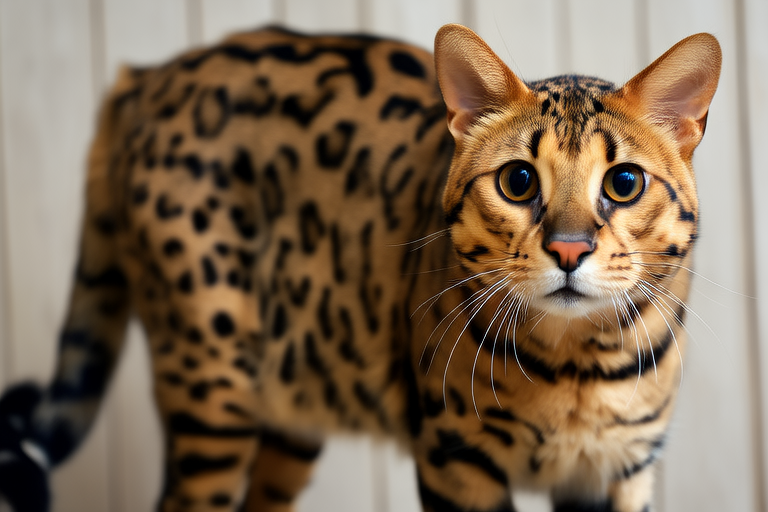
The Bengal cat’s distinctive coat is one of its most recognizable features. With its rich golden or brown base color, the Bengal cat is covered in bold, dark spots or marbled stripes, creating an almost jungle-like appearance. The breed’s origins can be traced back to the mid-20th century when Jean Mill, an American breeder, crossed domestic cats with the Asian leopard cat. This hybridization resulted in a breed that combines the beauty of wild cats with the temperament of domesticated felines. Over time, selective breeding has refined the Bengal cat’s traits, making them an increasingly popular choice for pet lovers.
Energetic and Playful Nature
Bengal cats are known for their high energy levels and playful disposition. They are natural-born athletes, often engaging in activities such as climbing, jumping, and chasing toys. Their playful nature extends beyond mere entertainment; it reflects their need for mental and physical stimulation. Owners must be prepared to provide ample opportunities for exercise and play, ensuring that their Bengal cat remains healthy and content. Without sufficient activity, Bengals may become bored or frustrated, leading to destructive behavior.
Proper Care and Dietary Needs
Caring for a Bengal cat requires attention to detail, especially when it comes to their diet. These cats have a higher protein requirement compared to many other breeds, necessitating a balanced diet rich in meat-based proteins. High-quality commercial cat foods specifically formulated for Bengal cats are recommended. Additionally, owners should consider incorporating occasional raw meat into their cat’s diet under veterinary supervision. Regular veterinary check-ups are essential to monitor their health and ensure they receive the necessary vaccinations and preventive treatments.
Grooming and Common Health Issues
Bengal cats have short, dense coats that require minimal grooming. However, regular brushing helps maintain their coat’s luster and reduces shedding. Despite their generally robust health, Bengals are prone to certain genetic conditions, including Hypertrophic Cardiomyopathy (HCM), a heart disease that can affect their cardiovascular system. Early detection through regular veterinary examinations is crucial for managing and treating this condition effectively. Additionally, Bengal cats are susceptible to dental issues, so maintaining good oral hygiene is vital.
Social Behavior and Compatibility
Bengals are highly social animals that thrive in environments where they receive plenty of attention and interaction. They enjoy spending time with their human companions and can form strong bonds with family members. Due to their outgoing nature, Bengal cats are often compatible with children and other pets, provided they are introduced gradually and supervised during interactions. Early socialization is key to fostering positive relationships between Bengals and their household members.
Training Techniques
Training Bengal cats can be both rewarding and challenging due to their intelligence and curiosity. Positive reinforcement methods, such as clicker training and rewards-based training, are effective ways to teach your Bengal basic commands and tricks. Patience and consistency are essential when working with these smart cats, as they quickly learn and respond to their owner’s cues. Interactive toys and puzzle feeders can also stimulate their minds and encourage problem-solving skills.
Creating a Stimulating Environment
To keep your Bengal cat engaged and happy, it’s important to create an enriching environment filled with toys, scratching posts, and climbing structures. Providing vertical spaces like cat trees and window perches allows them to explore and exercise their climbing instincts. Puzzle feeders and treat-dispensing toys offer mental stimulation, while interactive play sessions help burn off excess energy. Ensuring your Bengal cat has access to safe outdoor areas or enclosed patios can further enhance their quality of life.
In conclusion, owning a Bengal cat is a rewarding experience that comes with its own set of responsibilities. By understanding their unique needs and providing appropriate care, owners can ensure that their Bengal cat leads a healthy, happy, and fulfilling life. Whether you’re a seasoned cat lover or considering adopting a Bengal for the first time, this guide provides valuable insights into what it takes to be a responsible and loving owner. Embrace the spots, stripes, and surprises that come with Bengal cat ownership, and prepare yourself for endless moments of joy and companionship.
