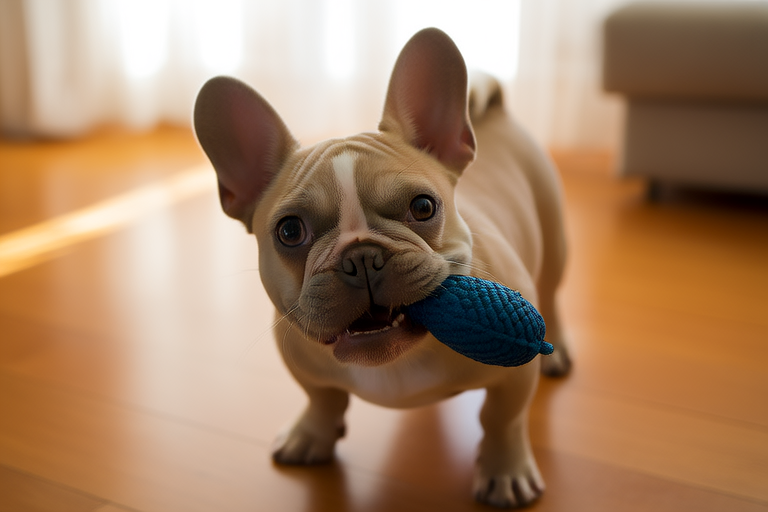
Frenchie Parenting 101: A Beginner’s Guide to Raising This Lovable Breed
Welcome to the world of French Bulldogs! These charming and affectionate companions have stolen many hearts with their unique looks and delightful personalities. If you’re a new or prospective owner of a French Bulldog, this guide will help you understand what it takes to raise your Frenchie and ensure they live a happy, healthy life.
Understanding French Bulldog Characteristics
The French Bulldog, often called the “Frenchie,” is a small to medium-sized breed known for its bat-like ears, wrinkled face, and stocky build. Their compact size makes them ideal for apartment living, but they still need plenty of love and attention. Frenchies are generally friendly, playful, and adaptable, making them great family pets. However, due to their brachycephalic nature (flat faces), they can be prone to breathing difficulties, especially during hot weather or when excited.
Basic Care Needs
French Bulldogs require regular grooming, although they don’t shed heavily. Brushing their coat once or twice a week helps remove loose fur and keeps their skin healthy. Pay special attention to their wrinkles, cleaning them gently with a damp cloth to prevent infections. Additionally, check their ears weekly for any signs of irritation or infection, as their large ears can trap moisture and debris.
Like all dogs, French Bulldogs need their nails trimmed regularly. Consult your vet if you’re unsure how to do this safely. Also, maintain good dental hygiene by brushing your Frenchie’s teeth at least three times a week using dog-safe toothpaste.
Dietary Requirements
A balanced diet is crucial for maintaining your Frenchie’s overall health. Choose high-quality dog food that lists meat as the primary ingredient. Avoid foods with fillers like corn, soy, or wheat, which can cause digestive issues. Always consult your veterinarian before changing your dog’s diet.
French Bulldogs are prone to obesity, so portion control is essential. Feed them according to the manufacturer’s guidelines based on their weight and activity level. Divide their daily food intake into two meals to prevent bloat, a potentially fatal condition in deep-chested dogs.
Exercise Routines
Despite their muscular build, French Bulldogs are not overly active dogs. They enjoy short walks and play sessions but may tire quickly, especially in warm weather. Aim for about 30 minutes of moderate exercise each day, adjusting based on your Frenchie’s age and energy levels.
Interactive toys and puzzle feeders can stimulate mental engagement and provide entertainment indoors. Always supervise your Frenchie during playtime to ensure safety.
Common Health Issues
French Bulldogs are predisposed to certain health problems due to their genetic makeup. Some common issues include:
- Brachycephalic Obstructive Airway Syndrome (BOAS): This condition affects their breathing, causing snoring, snorting, and difficulty breathing, particularly during exertion or heat.
- Patellar Luxation: The kneecap dislocates, leading to lameness and pain.
- Spinal Disorders: Conditions like intervertebral disc disease can cause back pain and mobility issues.
- Allergies: Skin allergies are common, often manifesting as itching, redness, and hair loss.
Regular veterinary check-ups and early intervention can help manage these conditions effectively. Discuss preventive measures and treatment options with your vet to keep your Frenchie healthy.
Training Tips
Positive reinforcement is key when training French Bulldogs. Use treats, praise, and affection to reward good behavior. Consistency is vital; establish clear rules and expectations from the start. Early socialization is also important to help your Frenchie become well-adjusted and confident.
Begin training sessions when your Frenchie is young, around 8 to 12 weeks old. Keep sessions short (5-10 minutes) and fun to maintain their interest. Focus on basic commands such as sit, stay, come, and down. Gradually introduce more complex commands as your Frenchie masters the basics.
Socialization Techniques
Socializing your Frenchie early helps them develop into a well-rounded, friendly adult dog. Expose them to various people, animals, environments, and situations from an early age. This exposure reduces fear and aggression, promoting better behavior in public spaces.
Arrange playdates with other dogs under supervision. Visit parks, pet stores, and friends’ homes to expose your Frenchie to different stimuli. Always ensure safety by keeping your Frenchie on a leash and under control until they demonstrate reliable behavior.
Advice for First-Time Owners
Welcoming a French Bulldog into your home is an exciting journey filled with love and joy. Here are some final tips for first-time owners:
- Research thoroughly: Understand the breed’s specific needs and challenges before bringing a Frenchie home.
- Prepare your home: Create a safe, comfortable space for your new pet, complete with a cozy bed, water bowl, and toys.
- Establish a routine: Dogs thrive on consistency. Set regular feeding, walking, and playtimes.
- Seek professional guidance: Enroll in puppy classes or hire a trainer for expert advice tailored to your Frenchie.
- Stay patient and loving: Building trust takes time. Be patient, consistent, and full of love.
Raising a French Bulldog is a rewarding experience that brings years of companionship and happiness. With proper care, training, and attention, your Frenchie will grow into a loyal, loving member of your family. Enjoy every moment of this incredible journey together!
