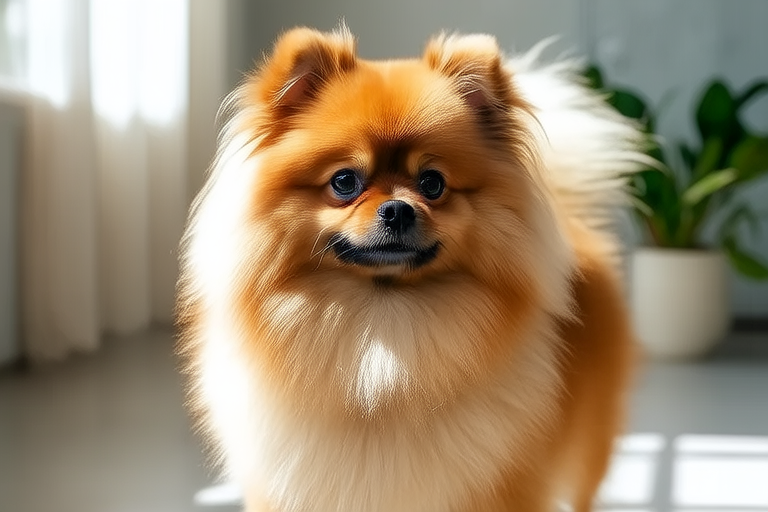
The Ultimate Guide to Keeping Your Pomeranian Happy and Healthy
Diet and Nutrition Tailored Specifically for Pomeranians
Pomeranians, with their small size and high metabolism, require a balanced diet to maintain optimal health. Their meals should consist of high-quality protein, essential fats, vitamins, and minerals. A diet rich in lean meats such as chicken, turkey, or fish is ideal. Avoid feeding your Pomeranian foods that can be harmful, like chocolate, onions, garlic, and grapes. Consult your veterinarian for personalized dietary recommendations based on your dog’s age, weight, and activity level.
Feeding your Pomeranian two small meals daily instead of one large meal helps maintain their energy levels and prevents bloating. Ensure fresh water is always available to keep them hydrated. Consider adding supplements if recommended by your vet, particularly for joint health, as Pomeranians are prone to hip dysplasia and other joint issues.
Exercise Routines That Keep Them Fit
Despite their small stature, Pomeranians need regular physical activity to stay healthy and happy. Aim for at least 30 minutes of exercise each day, which can be broken into shorter sessions throughout the day. Walks around the neighborhood or in a park are excellent for both exercise and socialization. Interactive playtime with toys such as puzzle feeders or fetch games also stimulates their minds while providing physical exertion.
Due to their tendency towards obesity, it’s crucial to monitor their food intake and ensure they don’t overeat. Obesity can lead to various health problems, including respiratory issues, diabetes, and heart disease. Regular exercise not only keeps them physically fit but also helps in maintaining a healthy weight.
Grooming Tips to Maintain Their Coat and Hygiene
Pomeranians have thick double coats that require regular grooming to prevent matting and skin irritations. Brushing your Pomeranian several times a week with a slicker brush will help remove loose hair and distribute natural oils through the coat. Bathing should be done every four to six weeks using a mild shampoo formulated for dogs. Always rinse thoroughly to avoid leaving soap residue, which can cause irritation.
Trimming nails regularly is important to prevent discomfort and potential injury from overgrown nails. Cleaning ears gently with a cotton ball and ear-cleaning solution once a week helps prevent infections. Check their teeth regularly and provide dental chews or brushing to promote oral hygiene.
Common Health Issues and How to Prevent or Manage Them
Several health conditions are common in Pomeranians, including dental disease, patellar luxation (dislocation of the kneecap), hypothyroidism, and tracheal collapse. Regular veterinary check-ups are essential for early detection and management of these issues.
To prevent dental disease, maintain good oral hygiene by brushing your Pomeranian’s teeth regularly and providing appropriate chew toys. For patellar luxation, avoid excessive jumping and consider surgery if necessary. Hypothyroidism may require lifelong medication under veterinary supervision. Tracheal collapse can be managed with medications and lifestyle changes, such as avoiding excitement and keeping your Pomeranian cool during hot weather.
Training Techniques for Positive Behavior
Positive reinforcement training methods are highly effective for teaching your Pomeranian commands and good manners. Use treats, praise, and affection to reward desired behaviors. Consistency is key; ensure all family members use the same commands and rewards. Early socialization is crucial for developing well-behaved pets. Expose your Pomeranian to different environments, people, and animals from an early age to build confidence and reduce fearfulness.
Addressing unwanted behaviors like barking, chewing, or digging requires patience and understanding. Redirect these behaviors to appropriate outlets, such as providing chew toys for teething puppies or teaching alternative responses to triggers. Seek professional help if needed to address severe behavioral issues.
Ways to Ensure They Have Mental Stimulation and Companionship
Mental stimulation is vital for preventing boredom and destructive behaviors in Pomeranians. Interactive toys, puzzles, and training sessions offer intellectual challenges that engage their minds. Rotate toys periodically to keep things interesting. Engaging in activities like hide-and-seek or scent games can also stimulate their senses and provide entertainment.
Social interaction plays a significant role in a Pomeranian’s happiness. Spend quality time together through walks, play sessions, and cuddling. If you work long hours or frequently travel, consider hiring a pet sitter or enrolling your Pomeranian in daycare to ensure they receive adequate attention and companionship.
