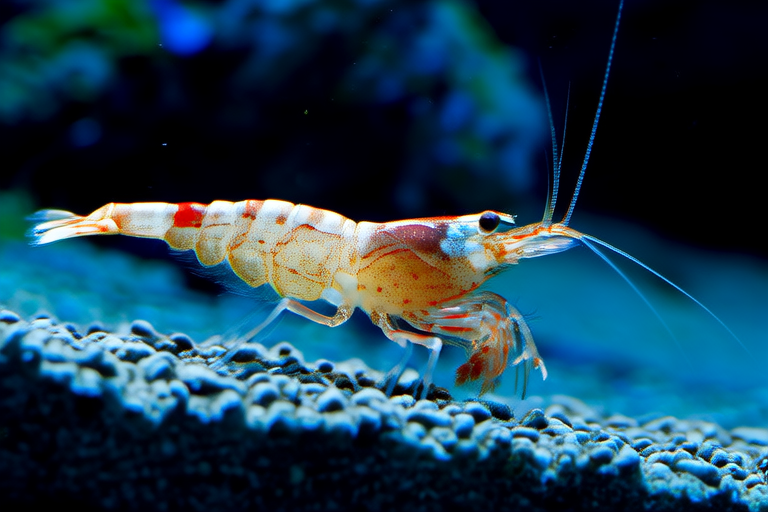
From Tiny Fingers to Big Hearts: All You Need to Know About Coral Shrimp
Welcome to the fascinating world of coral shrimp! These tiny creatures have captured the hearts of many marine enthusiasts with their delicate beauty and crucial role in marine ecosystems. Coral shrimp, also known as coral cleaner shrimp, are small crustaceans that thrive in tropical waters. Their vibrant colors and playful antics make them popular additions to saltwater aquariums, but their importance extends far beyond the confines of home tanks. This article will guide you through everything you need to know about coral shrimp, from their natural habitats to their behaviors and lifecycle.
The Unique Charm of Coral Shrimp
Coral shrimp are distinguished by their striking appearance and gentle demeanor. They come in various shades, including red, blue, green, and white, making them a colorful addition to any aquarium. Their primary function in nature is cleaning, where they assist in maintaining the health of corals and other marine organisms. By consuming parasites, dead tissue, and leftover food particles, they play a vital role in keeping their environment clean and healthy. This symbiotic relationship is essential for the survival of both the shrimp and the marine life they serve.
Habitat and Distribution
Native to the Indo-Pacific region, coral shrimp are found in the warm, shallow waters surrounding coral reefs. They prefer areas with abundant corals and rock formations, which provide shelter and food sources. These shrimp are typically found in lagoons, reef flats, and backreef zones, where they can easily access their preferred hiding spots. In the wild, they often congregate around specific corals, such as stony corals and gorgonians, forming symbiotic relationships with these organisms.
Diet and Feeding Habits
Coral shrimp are primarily scavengers and cleaners. In the wild, they feed on algae, plankton, and detritus, as well as parasites and mucus from fish and other marine animals. Their diet is varied, allowing them to adapt to different environments. When kept in aquariums, they can be fed a mix of commercial shrimp foods, algae wafers, and occasional treats like brine shrimp or mysis shrimp. It’s important to ensure a balanced diet to keep them healthy and active.
Behavior and Social Structure
Coral shrimp are known for their peaceful and social nature. They are generally non-aggressive towards other tank inhabitants, making them excellent candidates for community tanks. They are often seen cleaning fish and other marine life, which helps maintain the overall health of the ecosystem. Coral shrimp are also known to form pairs or small groups within their habitat, demonstrating a degree of social interaction. They are particularly active during daylight hours when they engage in their cleaning duties.
Lifecycle and Reproduction
The lifecycle of coral shrimp begins with mating between a male and female. After successful mating, the female carries fertilized eggs until they hatch into free-swimming larvae. The larvae eventually settle onto the substrate and metamorphose into juvenile shrimp. Juvenile shrimp grow rapidly and reach maturity within a few months. Once mature, they start reproducing, continuing the cycle. The lifespan of coral shrimp can vary, but under optimal conditions, they can live up to five years.
Care Tips for Aquarium Enthusiasts
If you’re considering adding coral shrimp to your aquarium, there are several factors to consider:
- Water Parameters: Coral shrimp require stable water conditions to thrive. Maintain a temperature range of 72-82°F (22-28°C), a pH level between 8.1 and 8.4, and salinity levels appropriate for the specific species you are keeping. Regular water changes and proper filtration are essential.
- Tank Mates: Choose compatible tank mates to avoid aggressive interactions. Fish like clownfish, tangs, and damselfish are generally safe companions. Avoid placing them with large, predatory fish or invertebrates that might prey on them.
- Feeding Habits: Provide a varied diet rich in nutrients. Feed them daily, ensuring they have access to food without overfeeding. Monitor their activity levels and adjust feeding schedules accordingly.
Conservation Efforts and How You Can Help
Coral shrimp populations face threats from environmental degradation, climate change, and overfishing. Conservation efforts focus on protecting their habitats and promoting sustainable practices in marine resource management. As aquarists, we can contribute positively by supporting ethical breeding programs and avoiding the collection of wild-caught specimens. Additionally, participating in local beach cleanups and supporting organizations dedicated to marine conservation can make a significant difference.
In conclusion, coral shrimp are more than just beautiful additions to your aquarium; they are vital components of marine ecosystems. By understanding their needs and taking steps to protect them, we can ensure these tiny creatures continue to thrive in both the wild and our homes. Whether you’re a beginner or an experienced aquarist, incorporating coral shrimp into your tank can bring joy and a deeper connection to the underwater world.
