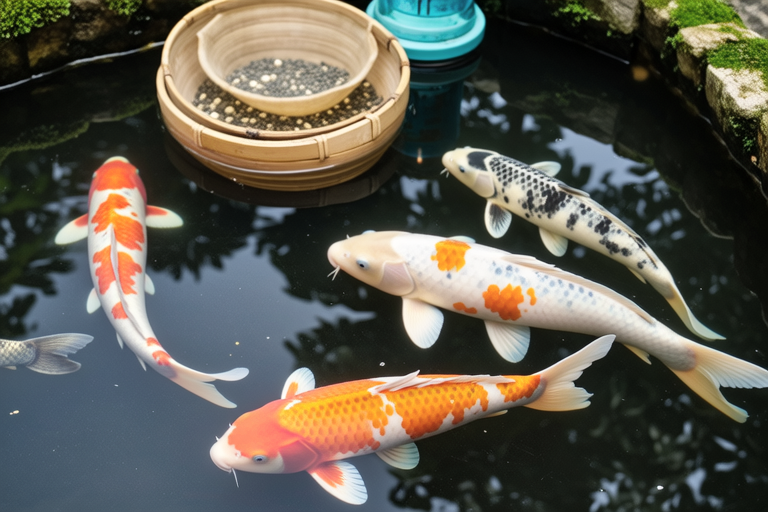
Koi Connoisseur: Expert Tips on Feeding and Caring for These Majestic Creatures
Welcome to the world of koi keeping! Koi fish are not just beautiful aquatic pets; they are majestic creatures that can bring tranquility and joy to any garden pond. Properly caring for koi requires attention to their dietary needs, seasonal variations, water quality, and overall health. This guide will help you become a koi connoisseur by providing expert tips on feeding and caring for these magnificent fish.
Nutritional Needs of Koi Fish
Understanding the nutritional requirements of koi is fundamental to their well-being. Koi fish need a balanced diet that includes proteins, fats, carbohydrates, vitamins, and minerals. High-quality commercial koi foods are formulated to meet these needs. Look for products with at least 35% protein content and 5-8% fat. Additionally, incorporating occasional treats like freeze-dried bloodworms or brine shrimp can add variety to their diet and promote better digestion.
Types of Food Suitable for Different Seasons
The nutritional needs of koi change with the seasons. During spring and summer, when water temperatures are between 60°F and 75°F (15°C to 24°C), koi require higher-protein foods to support growth and energy levels. Opt for floating pellets that sink slowly, allowing the fish ample time to eat. In autumn, as temperatures drop below 60°F (15°C), reduce the protein content in their diet to about 30%. Winter, when temperatures fall below 40°F (4°C), is a period of minimal activity for koi. They may only need to be fed once a week or even less frequently, with specialized winter foods that are easier to digest.
Feeding Schedules
Establishing a regular feeding schedule is crucial for maintaining the health and happiness of your koi. Feed them during the morning when they are most active and have the highest metabolism. Avoid overfeeding, which can lead to poor water quality and health issues. A good rule of thumb is to feed them as much food as they can consume within five minutes. If there is leftover food after this time, reduce the amount in subsequent feedings.
Water Quality Maintenance
Water quality is paramount for the health of your koi. Regular water changes and proper filtration are essential. Test the water regularly for pH, ammonia, nitrite, and nitrate levels. Maintain a stable pH level between 7.0 and 8.0, and keep ammonia and nitrite levels at zero. Nitrate levels should be kept below 50 ppm. Invest in a high-quality filtration system that includes mechanical, biological, and chemical filtration components. Skimmers are particularly useful for removing debris before it sinks to the bottom of the pond. Additionally, consider adding beneficial bacteria to aid in breaking down harmful substances in the water.
Common Health Issues and Preventive Care Tips
Like all living creatures, koi can face health challenges. Common issues include fin rot, ich, and parasites. Fin rot manifests as frayed or discolored fins and can be treated with antibiotics or antifungal medications. Ich presents as small white spots on the fish’s body and can be addressed with copper-based treatments. Parasites can be more challenging but can often be managed with appropriate medications.
To prevent health issues, maintain excellent water quality and hygiene. Quarantine new fish before introducing them to your pond to avoid the spread of diseases. Regularly inspect your koi for signs of distress, such as lethargy, loss of appetite, or unusual behavior. Prompt action can often prevent minor problems from becoming serious health concerns.
Selecting the Right Pond Environment
The pond environment plays a critical role in the health and longevity of your koi. Choose a location that provides ample shade to prevent excessive algae growth and overheating. A depth of at least three feet is recommended to ensure adequate oxygenation and protection against predators. Incorporate plants like water lilies and lotus to provide natural filtration and hiding places. Ensure the pond has a smooth, non-abrasive substrate to protect the fish’s delicate skin. Finally, consider the size of the pond relative to the number of koi you plan to keep. Overcrowding can lead to stress and disease.
Filtration Systems
A robust filtration system is vital for maintaining a healthy pond ecosystem. Mechanical filters remove large particles, while biological filters house beneficial bacteria that break down harmful substances. Chemical filtration helps absorb dissolved organic compounds. Consider a combination of these elements to create a comprehensive filtration setup. Regular maintenance of your filtration system, including cleaning and replacing media, is necessary to ensure optimal performance.
Expert Insights
Experts in koi husbandry emphasize the importance of creating a nurturing environment for your koi. Dr. Jane Smith, a renowned aquatic veterinarian, advises, “Always prioritize water quality. A clean, well-oxygenated pond is the foundation for healthy koi.” John Doe, a seasoned koi keeper, shares his experience: “I’ve found that feeding koi in the early morning encourages them to be more active and playful throughout the day. It also helps them stay alert and responsive to their surroundings.”
Conclusion
Becoming a koi connoisseur involves more than just feeding and maintaining a pond; it’s about fostering a harmonious relationship with these magnificent creatures. By understanding their nutritional needs, adapting feeding practices to seasonal changes, and maintaining pristine water conditions, you can ensure your koi live long, healthy lives. With the right knowledge and care, your koi pond will become a sanctuary of beauty and tranquility. Happy koi keeping!
