From Farmyard to Favorite: How the Hotot Rabbit Became a Star
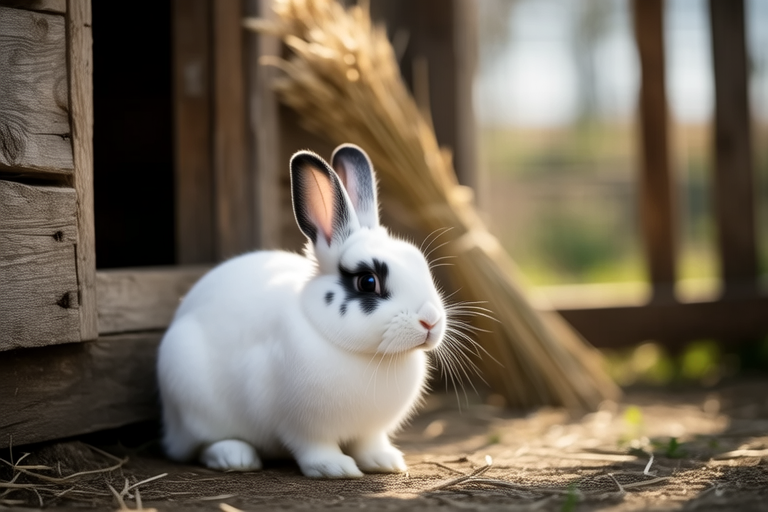
The world of rabbits is vast and varied, filled with countless breeds each with their own unique characteristics. Among these, the Hotot rabbit stands out as one of the most striking and beloved. With its distinctive white fur and bold black rings around its eyes, the Hotot is unmistakable. This breed has a history that spans over a century, from its humble beginnings in French farmyards to its current status as a popular pet and show rabbit. Let us delve into the fascinating journey of the Hotot rabbit.
A Unique Appearance
The Hotot rabbit is easily recognizable due to its striking appearance. It boasts a pure white coat that is short and fine, giving it a sleek, elegant look. The most notable feature, however, is the band of black fur that encircles its eyes, resembling a pair of dark sunglasses. This eye-catching detail is not just a cosmetic trait but a result of selective breeding aimed at enhancing the breed’s visual appeal. The contrast between the white body and the black eye-rings makes the Hotot a standout in any setting, whether it be a backyard, a pet store, or a rabbit show.
Origins and Evolution
The story of the Hotot rabbit begins in France in the early 20th century. It was developed by a French breeder named Mme. E. de Bournonville. Her goal was to create a rabbit that would have the perfect balance of beauty and utility. She began her work by crossing the white-eyed Belgian Hare with the giant Papillon. Over several generations, she refined the breed, selecting for those individuals that displayed the most pronounced eye-rings. By 1912, she had successfully created the Hotot as we know it today.
Initially, the Hotot was bred primarily for its meat, a common practice in rabbit farming at the time. However, as rabbit shows became more popular, the focus shifted towards the aesthetic qualities of the breed. The Hotot’s unique appearance made it a natural candidate for show competitions, and soon, it gained recognition beyond its original purpose.
Historical Context and Key Figures
The development of the Hotot rabbit coincided with a broader trend in animal breeding during the early 20th century. There was a growing interest in creating breeds that were not only useful but also visually appealing. This period saw the establishment of various rabbit clubs and associations, which helped standardize breeds and set criteria for show competitions.
Mme. de Bournonville played a pivotal role in the Hotot’s early development. Her dedication to the breed and her innovative approach to breeding were instrumental in establishing the Hotot as a distinct and desirable breed. Her efforts laid the groundwork for future breeders who continued to refine the breed’s characteristics.
Challenges and Breakthroughs
Despite its unique appearance, the Hotot rabbit faced significant challenges during its early years. One of the primary issues was the difficulty in maintaining the distinctiveness of the eye-rings. Early generations often exhibited incomplete or poorly defined rings, which detracted from the breed’s visual appeal. Breeders had to employ rigorous selection processes to ensure that only the rabbits with the most pronounced eye-rings were used for breeding.
Another challenge was the relatively small gene pool available for breeding. As a result, there was a risk of inbreeding, which could lead to health issues and a reduction in genetic diversity. To address this, breeders sought to introduce new bloodlines while still maintaining the desired traits of the Hotot.
One of the key breakthroughs came in the mid-20th century when breeders discovered that crossing the Hotot with other white breeds could enhance the clarity and definition of the eye-rings. This technique, known as outcrossing, helped maintain genetic diversity while preserving the breed’s signature feature. As a result, the Hotot began to gain more widespread acceptance in both professional and amateur rabbit circles.
Qualities That Make the Hotot a Favorite
Today, the Hotot rabbit is admired for much more than just its appearance. Its gentle demeanor and friendly nature make it a favorite among pet owners. Hotots are known for being affectionate and easy to handle, making them ideal companions for families and individuals alike. They are also relatively low-maintenance compared to some other rabbit breeds, requiring only moderate grooming and regular exercise.
In addition to their temperament, Hotots are intelligent and can be trained to perform simple tricks, adding to their appeal as pets. Their small size, typically weighing between 3 and 4 kilograms, also makes them suitable for apartment living, provided they have adequate space to move around. These qualities, combined with their distinctive appearance, have made the Hotot a popular choice for both novice and experienced rabbit owners.
Future Prospects
The future looks bright for the Hotot rabbit within the pet community. As awareness of the breed continues to grow, so too does its popularity. More breeders are taking an interest in the Hotot, leading to a steady increase in the number of quality specimens available for purchase.
Advancements in veterinary care and nutrition are also contributing to the breed’s success. Improved healthcare practices have helped extend the lifespan of Hotot rabbits, allowing them to enjoy longer, healthier lives as pets. Additionally, ongoing research into rabbit genetics may lead to further enhancements in the breed’s characteristics, potentially addressing any lingering health concerns.
Moreover, the increasing interest in eco-friendly and sustainable pet choices is likely to benefit the Hotot rabbit. As more people seek alternatives to traditional pets like dogs and cats, rabbits, including the Hotot, are becoming increasingly popular. Their smaller environmental footprint and lower resource requirements make them an attractive option for environmentally conscious pet owners.
Finally, the continued support from rabbit clubs and associations will play a crucial role in the Hotot’s future. These organizations provide a platform for breeders and enthusiasts to connect, share knowledge, and promote the breed. They also help ensure that the Hotot remains true to its standards and continues to be recognized for its unique qualities.
In conclusion, the Hotot rabbit has come a long way since its origins in the French countryside. From a farmyard breed to a beloved pet and show rabbit, the Hotot’s journey is a testament to the power of selective breeding and the enduring appeal of unique and beautiful animals. As the breed continues to evolve and gain popularity, it is clear that the Hotot rabbit is here to stay, captivating hearts and homes for generations to come.
