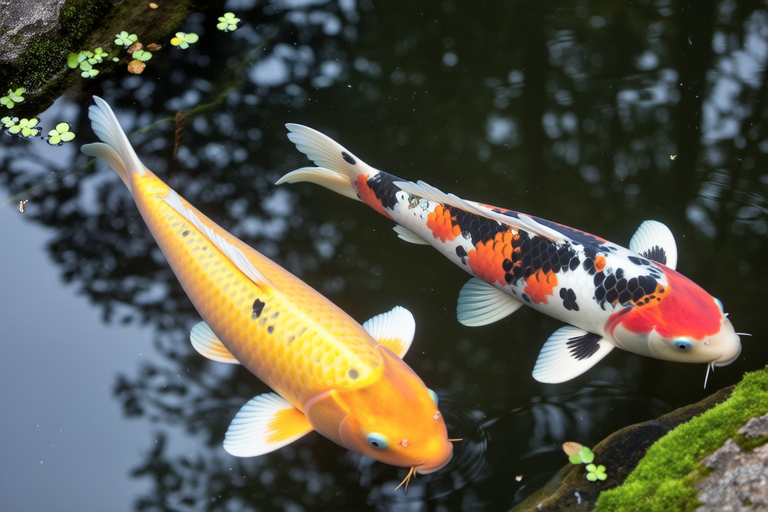
The Gentle Giants of Aquaria: A Closer Look at Koi Care
Koi fish, known for their vibrant colors and graceful movements, have long been cherished as popular ornamental pets. These gentle giants are descendants of the common carp, selectively bred over centuries for their aesthetic appeal. Koi enthusiasts around the world admire these aquatic beauties for their ability to add a touch of elegance to any pond or aquarium. In this article, we will delve into the world of koi care, exploring the ideal living conditions, dietary needs, and health management essential for keeping these magnificent creatures thriving.
Creating the Perfect Habitat
To ensure the well-being of your koi, it’s crucial to provide them with an environment that mimics their natural habitat. The first step in setting up a suitable home for your koi is selecting an appropriate tank or pond. Koi are large fish, and they require ample space to swim comfortably. For a single koi, a minimum of 1,000 gallons of water is recommended; however, larger tanks or ponds are preferable to accommodate more fish and allow for a more dynamic swimming area.
Water quality is another critical factor in maintaining a healthy koi environment. Regular testing and monitoring of pH levels, ammonia, nitrite, and nitrate concentrations are essential. Ideally, the pH should range between 7.2 and 8.0, while ammonia and nitrite levels should be undetectable, and nitrate levels should be kept below 50 ppm. Adequate filtration is vital to keep the water clean and oxygenated. A combination of mechanical, biological, and chemical filtration can help maintain optimal water conditions.
In addition to filtration, regular maintenance such as water changes and cleaning of filters and pond surfaces is necessary to prevent the buildup of harmful substances. Proper aeration also plays a key role in providing sufficient oxygen levels, especially during warmer months when oxygen levels tend to drop.
Nutrition: The Key to a Healthy Diet
A balanced diet is fundamental to the health and longevity of koi. Their nutritional requirements vary depending on age, season, and environmental factors. Koi are omnivorous, meaning they consume both plant and animal matter. Natural foods like algae, insects, and small crustaceans form part of their diet in the wild. In captivity, however, most of their nutrition comes from commercial feeds designed specifically for koi.
Commercial koi feeds come in various forms, including pellets, flakes, and sinking wafers. It’s important to choose high-quality feeds that contain a balance of proteins, fats, carbohydrates, vitamins, and minerals. Protein is particularly crucial for growth and tissue repair, while fats provide energy and help in the absorption of fat-soluble vitamins. Vitamins and minerals support overall health and immune function.
Feeding practices also play a significant role in maintaining a healthy koi. Overfeeding can lead to poor water quality and obesity, while underfeeding may result in malnutrition. Feeding should be done in small quantities multiple times a day, ensuring that all fish have access to food without leaving excess in the water. As the temperature drops, reducing the frequency and amount of feeding becomes necessary, as koi become less active and their metabolism slows down.
Common Health Issues and Preventive Measures
Despite the best efforts of caregivers, koi can still face health challenges. Common ailments include bacterial infections, fungal infections, parasites, and fin rot. Early detection and prompt treatment are vital for successful recovery. Regular observation of your koi can help you identify signs of illness, such as lethargy, loss of appetite, abnormal swimming behavior, or visible lesions.
Preventive measures are key in maintaining the health of your koi. Maintaining good water quality, providing proper nutrition, and minimizing stress can significantly reduce the risk of disease. Quarantining new fish before introducing them to the main pond or tank can also prevent the spread of illnesses.
Treatment options vary depending on the specific health issue. Antibiotics may be prescribed for bacterial infections, while antifungal medications can address fungal problems. Parasitic infestations might require specialized treatments, and fin rot often responds to improved water quality and antibiotic therapy. Always consult with a veterinarian specializing in aquatic animals for accurate diagnosis and treatment recommendations.
The Rewarding Experience of Keeping Koi
Keeping koi is a rewarding endeavor that requires commitment and care. These gentle giants bring joy and beauty to any pond or aquarium, offering a serene and peaceful environment. The bond formed between the caregiver and the fish can be incredibly fulfilling, as observing their daily routines and interactions provides a unique connection to nature.
While the responsibility of caring for koi can be demanding, the rewards far outweigh the effort. The vibrant colors and graceful movements of koi create a captivating spectacle that can be enjoyed by people of all ages. By providing a nurturing environment, balanced nutrition, and attentive care, you can ensure the well-being and longevity of these magnificent creatures.
