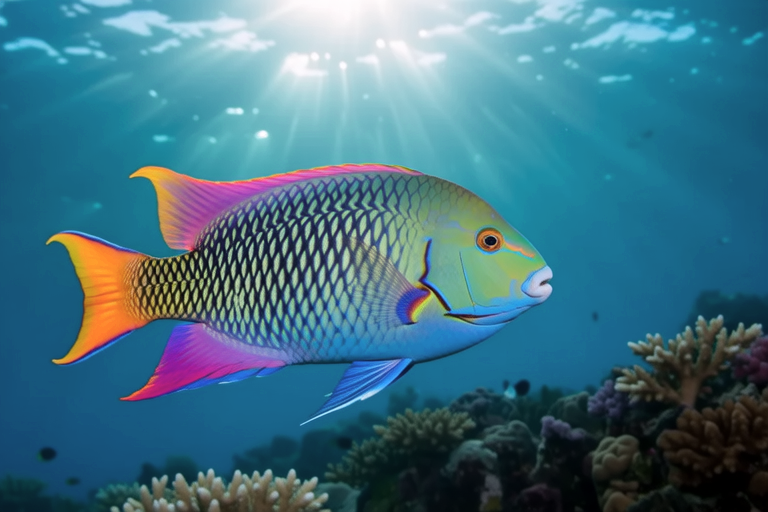
The Vibrant World of Parrot Fish: Colors and Conservation
Imagine a kaleidoscope submerged in the ocean’s depths, where colors blend and dance in a mesmerizing ballet. This vivid imagery comes alive in the world of parrot fish, one of the most colorful and fascinating inhabitants of coral reefs. These remarkable creatures are not just visually stunning; they also play a crucial role in maintaining the health of their aquatic habitats. In this article, we will explore the vibrant world of parrot fish, focusing on their diverse and striking color patterns, their ecological significance, the threats they face, and the conservation efforts aimed at ensuring their survival.
The Colorful Palette of Parrot Fish
Parrot fish, belonging to the family Scaridae, are named for their beak-like jaws, which they use to scrape algae off coral rocks. With over 90 species found worldwide, these fish display an astonishing array of colors and patterns that range from electric blues and greens to vibrant oranges and yellows. Their vivid hues are not merely aesthetic; they serve various purposes, including camouflage, communication, and attracting mates. Some species even change color as they age or during breeding seasons, adding another layer of intrigue to their already captivating appearance.
One of the most iconic parrot fish species is the Queen Parrotfish (Scarus vetula), known for its striking blue body and yellow tail. Another notable example is the Midnight Parrotfish (S. taeniopterus), which exhibits a dark, almost black body with a bright blue stripe running along its side. These fish not only dazzle divers but also play a critical role in their ecosystem.
The Ecological Role of Parrot Fish
Parrot fish are not just beautiful to look at; they are also vital for the health and sustainability of coral reef ecosystems. By grazing on algae, they help maintain the balance between coral growth and algal proliferation, preventing the overgrowth of algae that could smother corals. Their feeding habits also result in the production of sand, as their digestive process breaks down the calcium carbonate skeletons of the coral, contributing to the formation of beaches and islands.
Moreover, parrot fish act as indicators of the overall health of coral reefs. A thriving population of these fish suggests a robust ecosystem, while a decline in their numbers may signal environmental stressors such as pollution, climate change, or overfishing. Thus, the preservation of parrot fish is essential for the conservation of coral reefs, which are home to approximately 25% of all marine species.
Threats Facing Parrot Fish
Despite their ecological importance, parrot fish populations are under threat due to several factors. Overfishing is a significant concern, as many species are highly valued for their meat and vibrant colors in the aquarium trade. The use of destructive fishing practices, such as dynamite and cyanide fishing, further exacerbates the problem, causing widespread damage to both the fish and their habitats.
Climate change poses another challenge, as rising sea temperatures and ocean acidification affect the health of coral reefs. These changes can lead to coral bleaching events, where corals expel the symbiotic algae living in their tissues, turning white and often dying. As the primary food source for parrot fish, the loss of coral reefs can have devastating consequences for their survival.
Invasive species also present a risk, particularly in areas where native parrot fish populations are already weakened. Competing for resources or preying on juveniles, invasive species can outcompete native species, leading to a decline in biodiversity.
Conservation Efforts and Initiatives
Recognizing the importance of parrot fish, numerous conservation efforts and initiatives have been launched to protect these vital species. Marine protected areas (MPAs) play a crucial role in safeguarding parrot fish and their habitats. By designating specific regions as off-limits to fishing and other extractive activities, MPAs provide a sanctuary where fish populations can recover and thrive. Many countries have established MPAs to conserve their marine biodiversity, with some focusing specifically on protecting parrot fish.
Education and awareness campaigns are also essential components of conservation efforts. By informing local communities about the ecological significance of parrot fish and the benefits of sustainable fishing practices, these initiatives aim to foster a sense of stewardship and responsibility. Educational programs in schools and community centers can inspire the next generation of marine conservationists and advocates.
Research and monitoring programs contribute valuable data on parrot fish populations and their habitats. Scientists study the behavior, distribution, and abundance of these fish to better understand their needs and develop effective conservation strategies. This information helps policymakers make informed decisions and implement regulations that protect parrot fish and their ecosystems.
Certified sustainable seafood programs encourage responsible fishing practices and promote the consumption of sustainably sourced fish. By choosing products that adhere to these standards, consumers can support the conservation of parrot fish and other marine species. Additionally, these programs incentivize fishermen to adopt sustainable methods, ensuring the long-term viability of their livelihoods.
The Importance of Preserving Marine Biodiversity
The preservation of marine biodiversity, including parrot fish, is crucial for the health and resilience of our oceans. Coral reefs, the habitats of parrot fish, are often referred to as the rainforests of the sea due to their high levels of biodiversity. Protecting these ecosystems ensures the survival of countless species and maintains the ecological services they provide, such as coastal protection, water purification, and carbon sequestration.
Marine biodiversity also plays a vital role in human well-being. Healthy oceans provide food, medicine, and recreational opportunities, contributing to economic stability and cultural heritage. By supporting the conservation of parrot fish and their habitats, we ensure the continued provision of these benefits for future generations.
How You Can Contribute to Conservation
There are many ways individuals can contribute to the conservation of parrot fish and marine biodiversity. Supporting sustainable seafood choices, reducing plastic waste, and participating in beach clean-ups are simple yet impactful actions. Engaging in citizen science projects, where volunteers collect data on marine species, also contributes valuable information to ongoing research efforts.
Educating others about the importance of marine conservation can inspire collective action. Sharing knowledge through social media, organizing community events, or volunteering with local conservation organizations can amplify the impact of individual efforts. By working together, we can create a lasting legacy of conservation and ensure the vibrant world of parrot fish continues to thrive.
