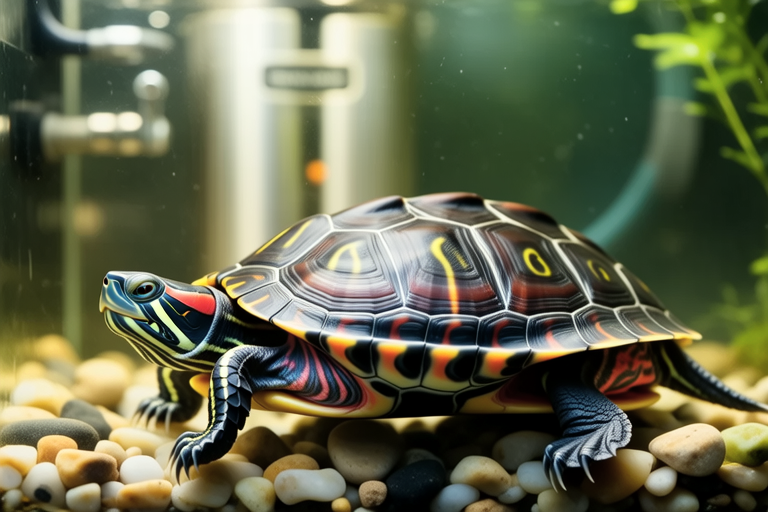
Red-eared Slider Care Guide: Essential Tips for Happy and Healthy Turtles
Red-eared sliders are among the most popular pet turtles in the world. Their vibrant appearance, friendly demeanor, and relatively low maintenance make them ideal pets for both beginners and experienced reptile enthusiasts. However, to ensure their longevity and well-being, it’s crucial to understand their specific needs and provide appropriate care. This guide will cover essential aspects of red-eared slider care, including habitat setup, diet and nutrition, health care, handling and interaction, and tips for creating an enriching environment.
Habitat Setup
Tank Size
The first step in setting up your red-eared slider’s home is choosing the right tank size. A juvenile turtle requires at least 10 gallons of water per inch of shell length, but this requirement increases as they grow. Adult sliders need a minimum of 40 gallons of water for every inch of their carapace (upper shell) length. It’s important to remember that these are minimum requirements; larger tanks are always better for the turtle’s comfort and health.
Water Quality
Maintaining clean water is vital for the health of your red-eared slider. Use a high-quality filtration system to keep the water clear and free from harmful bacteria. Regular water changes are necessary to maintain water quality, with a recommended frequency of once a week or more depending on the tank size and number of turtles. Additionally, water parameters such as pH levels and ammonia should be monitored regularly.
UV Lighting
Red-eared sliders require exposure to ultraviolet (UV) light to synthesize vitamin D3, which aids in calcium absorption. A full-spectrum UVB lamp should be placed over one-third of the tank, allowing the turtle to bask under it for several hours daily. The UVB bulb should be replaced every six months, even if it still appears functional, to ensure adequate UV output.
Diet and Nutrition
A balanced diet is key to maintaining your red-eared slider’s health. Their diet should consist of a mix of commercial turtle pellets, fresh vegetables, and occasional protein sources like earthworms or feeder fish. Leafy greens such as romaine lettuce, collard greens, and dandelion leaves are excellent choices for providing essential vitamins and minerals. Avoid feeding iceberg lettuce, as it has little nutritional value. Protein sources should be offered sparingly, about once a week, to prevent obesity and related health issues.
Health Care
Common Diseases
Red-eared sliders can suffer from various health issues, including respiratory infections, shell rot, and metabolic bone disease. Respiratory infections often manifest as lethargy, labored breathing, or nasal discharge. Shell rot is characterized by soft spots on the shell, usually due to poor water quality or injury. Metabolic bone disease occurs when there’s insufficient calcium in the diet, leading to brittle bones and deformities.
Signs of Illness
It’s important to monitor your turtle closely for any signs of illness. Changes in behavior, appetite, or physical appearance could indicate underlying health problems. If you notice any unusual symptoms, consult a veterinarian specializing in reptiles as soon as possible. Early intervention can significantly improve the chances of recovery.
Handling and Interaction Guidelines
Red-eared sliders are generally calm and docile, making them enjoyable pets. However, handling should be done carefully to avoid stress or injury. Always support the turtle’s body fully when picking it up, ensuring its legs and head are secure. Avoid handling your turtle immediately after feeding or during shedding, as this can cause stress. Frequent handling is not recommended, as it may lead to stress or behavioral changes.
Tips for Creating an Enriching Environment
To promote mental stimulation and physical activity, provide your red-eared slider with toys and structures within its habitat. Floating logs, rocks, and ramps can create climbing opportunities and add visual interest. Substrate such as sand or gravel can be used in the basking area, but avoid small particles that might be ingested accidentally. Providing hiding spots like caves or tunnels can also reduce stress and encourage natural behaviors.
Regular Maintenance and Veterinary Care
Regular maintenance is crucial for keeping your red-eared slider healthy. This includes cleaning the tank, checking water quality, and monitoring the turtle’s health. Schedule annual check-ups with a reptile veterinarian to ensure your turtle remains in good condition. These visits allow for early detection of potential health issues and can help prevent more serious conditions down the line.
In conclusion, providing proper care for your red-eared slider involves understanding their specific needs regarding habitat, diet, and healthcare. By following these guidelines and maintaining regular upkeep, you can ensure your turtle lives a long, happy, and healthy life. Remember, responsible ownership means being committed to your pet’s welfare and well-being for years to come.
