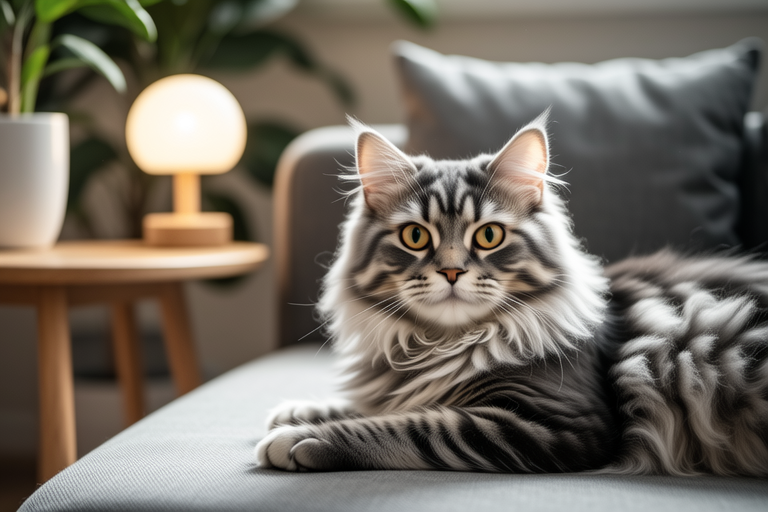
Devon Rex Cats: The Perfect Companion for Every Home?
Devon Rex cats have captivated the hearts of many cat lovers with their unique appearance and endearing personalities. Known for their curly coats and playful natures, these felines are often referred to as the “pixie of the cat world.” Their distinctive look, combined with their high energy and intelligence, makes them a popular choice among pet owners. But are Devon Rex cats truly the perfect companion for every home? This article explores the characteristics, care requirements, and health considerations of Devon Rex cats, helping you determine if this breed might be the ideal addition to your family.
A Unique Appearance
The most striking feature of Devon Rex cats is their curly coat, which is caused by a genetic mutation affecting the structure of their hair follicles. Unlike other breeds, Devon Rex cats have shorter, wavy fur that gives them a distinctly elfin or pixie-like appearance. Their large ears, prominent cheekbones, and expressive eyes further contribute to their unique charm. The coat can come in a variety of colors and patterns, making each Devon Rex cat truly one-of-a-kind.
Despite their short, curly fur, Devon Rex cats are not hypoallergenic. However, some people with mild allergies may find them more tolerable than other breeds due to their low-shedding nature. It’s important to note that individual reactions can vary, so it’s always a good idea to spend time with a Devon Rex before adopting one.
A Playful and Intelligent Temperament
Devon Rex cats are known for their playful and mischievous personalities. They love to engage in interactive play and are often found chasing toys, climbing, and exploring their surroundings. Their curiosity and agility make them excellent companions for families who enjoy an active lifestyle. These cats are also highly intelligent, which means they can learn tricks and respond well to positive reinforcement training.
In addition to their playful nature, Devon Rex cats are affectionate and enjoy being around their human companions. They are often described as “dog-like” in their behavior, as they tend to follow their owners from room to room and may even attempt to fetch toys. Their loyalty and devotion make them great companions for individuals and families alike.
Suitability as Pets
Devon Rex cats are well-suited to a wide range of living environments. Their high energy levels and adaptability make them a good fit for homes with children, as long as the children are taught proper handling techniques. They are also compatible with other pets, including dogs, as long as introductions are done gradually and under supervision.
However, it’s important to note that Devon Rex cats require a significant amount of mental and physical stimulation. They thrive in environments where they can explore, play, and interact with their owners. If left alone for long periods without adequate stimulation, they may become bored or destructive. Therefore, potential owners should consider their ability to provide sufficient attention and enrichment before bringing a Devon Rex into their home.
Caring for Devon Rex Cats
Dietary Needs
Like all cats, Devon Rex cats require a balanced diet rich in proteins, fats, and essential nutrients. High-quality commercial cat foods, either dry or wet, can provide the necessary nutrition. However, it’s important to consult with a veterinarian to ensure that the chosen food meets the specific needs of your cat. Some Devon Rex cats may have sensitive stomachs, so it’s advisable to introduce new foods gradually and monitor for any adverse reactions.
Additionally, Devon Rex cats should have access to fresh water at all times. Water intake is crucial for maintaining overall health and preventing urinary tract issues, which are more common in indoor cats.
Grooming Requirements
Due to their short, curly fur, Devon Rex cats require minimal grooming compared to long-haired breeds. Regular brushing with a soft brush or comb can help remove loose hairs and distribute natural oils throughout the coat. Bathing should be kept to a minimum, as excessive bathing can strip the skin of its natural oils. Instead, focus on keeping the ears clean and nails trimmed to prevent overgrowth.
It’s worth noting that some Devon Rex cats may develop ear infections due to the shape and size of their ears. Regular cleaning with a cotton ball and gentle cleanser can help prevent these issues. Additionally, monitoring for signs of discomfort, such as head shaking or scratching, is important.
Exercise Recommendations
Providing ample opportunities for exercise and mental stimulation is essential for maintaining the health and happiness of Devon Rex cats. Interactive toys, such as laser pointers, feather wands, and puzzle feeders, can help keep them engaged and entertained. Climbing structures, such as cat trees or shelves, allow them to explore and burn off excess energy.
Regular play sessions are also beneficial for bonding with your cat and promoting physical fitness. Aim for at least 15-20 minutes of playtime per day, adjusting based on your cat’s energy levels and preferences. Incorporating various types of play can help cater to their diverse interests and keep them mentally stimulated.
Health Considerations
Common Health Issues
While Devon Rex cats are generally healthy, they are prone to certain genetic conditions and health issues. One of the most common concerns is patellar luxation, a condition where the kneecap dislocates. This can cause pain and lameness but can often be managed with physical therapy or, in severe cases, surgery.
Another issue to be aware of is hypothyroidism, a condition where the thyroid gland doesn’t produce enough hormones. Symptoms may include weight gain, lethargy, and skin problems. Regular veterinary check-ups can help detect and manage this condition early on.
Devon Rex cats are also susceptible to ear infections due to the shape and size of their ears. As mentioned earlier, regular cleaning and monitoring can help prevent these issues. Other common health concerns include dental disease and obesity, both of which can be managed through proper diet and oral hygiene.
Managing Health Issues
Proper management of health issues in Devon Rex cats involves regular veterinary care, a balanced diet, and appropriate exercise. Routine check-ups allow veterinarians to monitor your cat’s overall health and catch any potential problems early. Vaccinations and preventive treatments for parasites are also important to maintain their well-being.
Maintaining a healthy weight is crucial for preventing obesity-related health issues. Providing portion-controlled meals and limiting treats can help achieve this goal. Encouraging regular exercise and playtime is also beneficial for weight management and overall fitness.
A Balanced View
Devon Rex cats are undoubtedly charming and lovable creatures, but they are not the perfect companion for everyone. Their high energy levels and need for mental stimulation mean they require an owner who can provide plenty of attention and engagement. Their intelligence and playful nature make them excellent companions for active families, but they may not be suitable for those who prefer a more laid-back, independent cat.
Before deciding whether a Devon Rex cat is right for your home, consider your lifestyle, living environment, and ability to meet their specific needs. If you’re prepared to invest time and effort into providing the right care and enrichment, a Devon Rex could be the perfect addition to your family. However, if you’re looking for a low-maintenance, sedentary cat, you may want to explore other breeds.
In conclusion, Devon Rex cats offer a unique blend of beauty, intelligence, and playfulness that can enrich the lives of their owners. By understanding their needs and taking steps to address potential health issues, you can ensure a happy and healthy life for your Devon Rex companion. Whether or not they are the perfect fit for your home ultimately depends on your willingness to provide the love, attention, and care they deserve.
