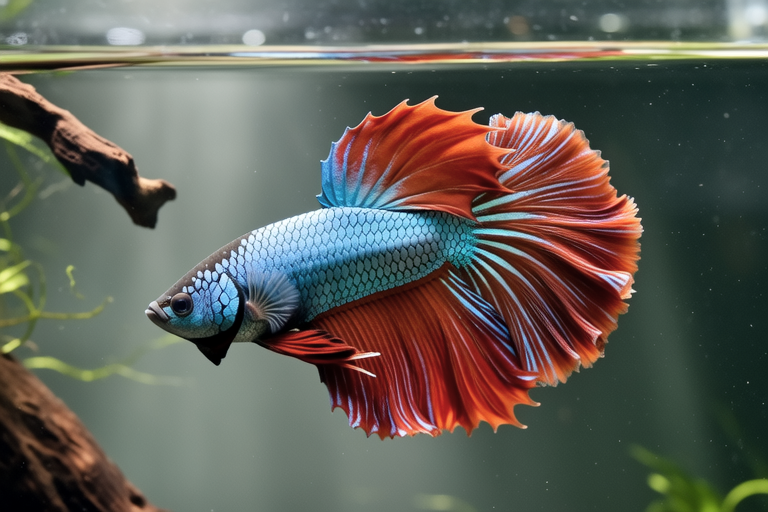
Betta Care Secrets: Tips Only Real Enthusiasts Know
Welcome to the fascinating world of betta fish! Known for their vibrant colors and flowing fins, bettas have captured the hearts of many as popular pets. Their unique characteristics make them stand out among other aquarium fish. With proper care, these beautiful creatures can thrive in your home aquarium, bringing joy and beauty to your living space.
The Unique Characteristics of Betta Fish
Bettas, scientifically named Betta splendens, are native to the rice paddies and slow-moving streams of Thailand, Cambodia, Vietnam, and Malaysia. These freshwater fish are known for their striking colors and long, flowing fins, which they display during courtship rituals. Male bettas are particularly famous for their aggressive behavior towards each other but can be quite docile with humans, making them ideal for solo tanks.
One of the most intriguing aspects of bettas is their labyrinth organ, which allows them to breathe air directly from the surface. This adaptation makes them resilient in environments with low oxygen levels, but it also means they require access to the water’s surface. Understanding this unique feature is crucial for providing optimal care.
Essential Tank Setup Requirements
Water Parameters
Creating a suitable habitat for your betta involves more than just filling a bowl with water. The water temperature should be maintained between 76°F and 82°F (24°C to 28°C). A stable temperature is vital for their health and longevity. Bettas are tropical fish, so heaters might be necessary to maintain the appropriate warmth, especially in cooler climates.
Water pH should ideally be kept between 6.5 and 7.5. Regular testing is recommended to ensure the water quality remains within these ranges. Ammonia and nitrite levels should always be zero, while nitrate levels should be kept below 20 ppm. To achieve this, frequent partial water changes are essential. A good rule of thumb is to change about 25% of the water weekly.
Adequate filtration is crucial for maintaining water quality. Choose a filter that provides gentle circulation without overwhelming the tank. Overpowering filters can cause stress to your betta due to strong water currents.
Diet Specifics
Bettas are carnivorous by nature, feeding primarily on small insects and insect larvae in the wild. In captivity, their diet should be rich in protein to meet their nutritional needs. High-quality betta pellets or flakes are excellent staple foods. However, variety is key to ensuring a balanced diet. Supplement their meals with live or frozen foods such as bloodworms, brine shrimp, and daphnia. These treats not only provide essential nutrients but also stimulate natural hunting behaviors.
Feeding frequency should be moderate; overfeeding can lead to digestive issues and water pollution. Feed your betta twice daily, offering only what they can consume within a few minutes. Avoid leaving uneaten food in the tank, as it decomposes quickly, raising ammonia levels.
Maintaining Water Quality
Consistent monitoring and maintenance of water quality are paramount for betta health. Apart from regular water changes, using water conditioners can help neutralize harmful chemicals like chlorine and chloramine commonly found in tap water. Additionally, incorporating biological filtration aids can accelerate the establishment of beneficial bacteria, which play a crucial role in breaking down waste products.
Regular cleaning of the tank glass and decorations is also important to prevent the buildup of algae and debris. Algae scrubbers or magnetic cleaners are handy tools for this task. Ensure that any cleaning materials used are safe for aquarium use and free from harmful residues.
Common Diseases and Early Signs
Like any other pet, bettas are susceptible to certain health issues. One of the most common ailments is fin rot, characterized by frayed or disintegrating fins. This condition often results from poor water quality or bacterial infections. Early detection is key; if you notice any signs of fin rot, promptly address the underlying causes and treat with appropriate medications.
Ich, or white spot disease, is another prevalent issue, marked by tiny white spots on the betta’s body. It typically arises from fluctuating water temperatures or stress. Maintaining a stable environment and quarantine new additions to the tank can help prevent its spread.
Swim bladder disorder, causing buoyancy problems, can result from overfeeding or constipation. Adjusting feeding habits and occasionally fasting your betta can aid in managing this condition. Always consult a veterinarian specializing in aquatic animals for proper diagnosis and treatment.
Tank Mates Compatibility
Selecting compatible tank mates for your betta requires careful consideration. While male bettas are territorial and cannot be housed together, female bettas can sometimes coexist in a well-planted community tank. When introducing new companions, monitor interactions closely to ensure peaceful cohabitation.
Peaceful bottom-dwelling species like snails and some shrimp are generally safe companions for bettas. These invertebrates help keep the tank clean by consuming algae and leftover food. However, avoid larger or more aggressive fish that may bully or nip at the betta’s delicate fins.
Plants can serve dual purposes in a betta tank. They provide hiding spots and enhance the overall aesthetic appeal. Java moss, anacharis, and water wisteria are excellent choices, as they thrive in similar conditions to bettas and offer shelter without overcrowding the space.
Advanced Care Tips
For those looking to take their betta care to the next level, consider enriching the tank environment further. Introducing live plants not only enhances visual appeal but also contributes to better water quality through increased oxygenation and natural filtration. Floating plants like hornwort can provide shade and reduce stress for your betta.
Incorporating various hiding spots is equally beneficial. Ceramic caves, PVC pipes, and artificial plants offer safe havens where your betta can retreat when feeling threatened or simply seeking privacy. Providing ample hiding spaces encourages natural behaviors and reduces stress.
Lastly, engaging your betta with interactive toys can promote mental stimulation and physical activity. Floating platforms, suction cups with mirrors, and floating feeders can entertain and challenge your betta, keeping them active and mentally stimulated.
By following these expert tips, you can ensure that your betta fish thrives in a healthy, stimulating environment. Whether you’re a novice or an experienced enthusiast, implementing these practices will deepen your bond with your aquatic companion and enhance their quality of life. Remember, a happy betta is a vibrant and active betta!
