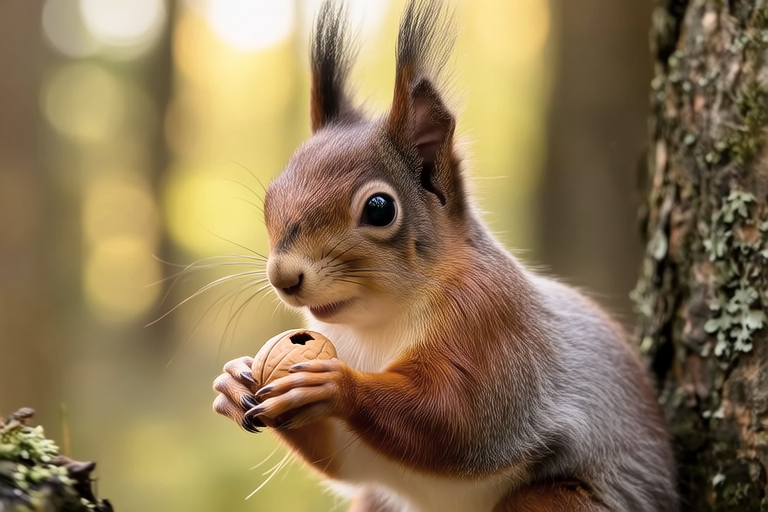
Beyond Nuts: Fun Facts About Squirrels That Will Blow Your Mind
From urban parks to rural forests, squirrels are one of the most ubiquitous and beloved creatures on our planet. These furry acrobats are not just cute little nut collectors; they possess an array of fascinating behaviors and adaptations that make them truly remarkable. Let’s dive into some fun facts about squirrels that will leave you amazed.
The Diverse World of Squirrels
Squirrels belong to the family Sciuridae, which includes over 200 species ranging from tiny ground squirrels to large tree-dwelling varieties. They are found on every continent except Antarctica and Australia, making them one of the most widespread mammals in the world. Despite their commonality, many people don’t realize just how diverse and interesting these animals can be.
Remarkable Physical Adaptations
Squirrels have evolved numerous physical traits that help them thrive in their environments. One of the most notable is their sharp claws, perfect for gripping bark and digging through soil. Their long bushy tails serve multiple purposes, including balance, communication, and even as a blanket in cold weather. Some species, like the flying squirrel, have adapted flaps of skin between their limbs, allowing them to glide gracefully from tree to tree.
Surprising Behaviors
When it comes to behavior, squirrels have some tricks up their sleeves (or rather, paws). Did you know that squirrels often pretend to bury their food? This deceptive behavior, known as “scatter hoarding,” is a strategy to prevent other animals from stealing their stash. A squirrel might dig several empty holes to mislead potential thieves, while the real treasure is hidden elsewhere.
Another surprising fact is that squirrels are incredibly intelligent. They can remember the location of thousands of buried nuts, thanks to a keen sense of smell and exceptional spatial memory. Scientists have even observed squirrels problem-solving and using tools, such as using sticks to extract hard-to-reach seeds from bird feeders.
Unique Social Habits
Contrary to popular belief, squirrels are not entirely solitary creatures. While they are often seen foraging alone, many species form complex social structures. For example, red squirrels live in territories that they fiercely defend, but within these territories, they may share resources with family members or establish temporary truces with neighboring squirrels.
Ground squirrels, on the other hand, are more communal. They live in colonies where they cooperate in raising young and protecting each other from predators. During winter, some species huddle together in underground burrows to conserve warmth and energy. This social behavior helps them survive harsh conditions that would otherwise be challenging for solitary animals.
Lesser-Known Facts About Squirrels
There are many lesser-known aspects of squirrel life that add to their charm. For instance, did you know that squirrels communicate using a variety of vocalizations and body language? They can make chirping sounds to alert others of danger or to express excitement. Additionally, squirrels use tail flicks and postures to convey messages, much like humans use facial expressions.
One of the most intriguing facts about squirrels is their role in forest ecology. By burying nuts and seeds, squirrels inadvertently help plants reproduce by planting new trees and shrubs. This process, known as seed dispersal, plays a crucial role in maintaining biodiversity and regenerating damaged ecosystems. Without squirrels, many forests might look very different today.
Conservation Efforts and How You Can Help
Despite their adaptability, squirrels face threats from habitat loss, climate change, and human activities. Many species are losing their homes due to deforestation and urbanization, which disrupts their food sources and shelter. As a result, it’s important for us to take action to protect these amazing creatures.
One way to get involved is by participating in local wildlife conservation efforts. Many organizations work to preserve habitats and provide safe spaces for squirrels and other wildlife. Volunteering at a nature reserve or supporting conservation projects through donations can make a significant difference. Another option is to create squirrel-friendly spaces in your own backyard by providing food, water, and nesting boxes.
Lastly, simply observing squirrels in their natural habitat can be a rewarding experience. Take time to watch their antics and learn more about their behaviors. Whether you’re watching them scurry across a park or climb a tree, you’ll likely find yourself captivated by their playful nature and impressive skills.
Conclusion
Squirrels are more than just cute critters; they are fascinating animals with unique physical adaptations, surprising behaviors, and complex social lives. From their deceptive food-hiding tactics to their vital role in forest ecology, there is always something new to discover about these charismatic creatures. So next time you see a squirrel, take a moment to appreciate its beauty and wonder at the incredible world it inhabits.
We encourage you to explore the world of squirrels further by observing them in your local park or joining a conservation project. Together, we can ensure that these delightful animals continue to thrive for generations to come. Happy exploring!
