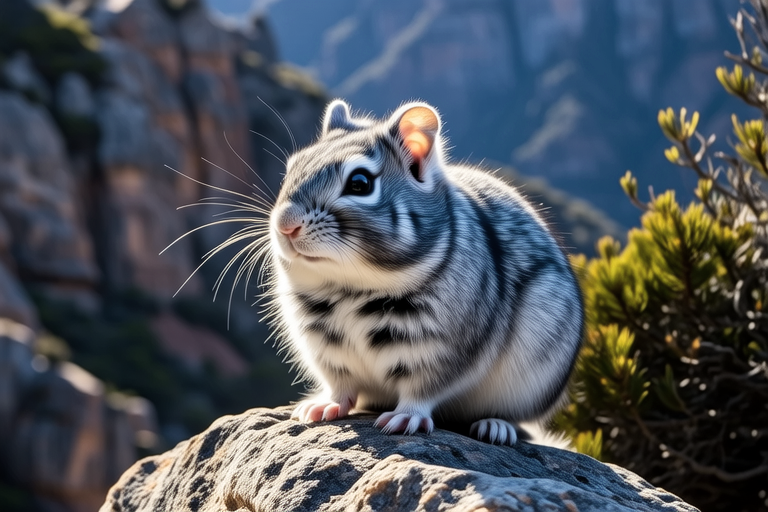
From Andes to Your Home: The Complete Journey of a Chinchilla
The chinchilla, a small, fluffy rodent native to the high Andes Mountains, has captured the hearts of many animal lovers worldwide. This article delves into the fascinating journey of chinchillas from their natural habitat in the Andes to your home, exploring their unique adaptations, the history of domestication, ethical sourcing, and essential care tips.
Natural Habitat and Adaptations
Chinchillas are native to the harsh, rocky terrains of the Andes Mountains in South America, where they thrive at elevations up to 4,000 meters above sea level. These regions are characterized by cold temperatures, strong winds, and sparse vegetation. Chinchillas have adapted to this challenging environment through several remarkable features. Their dense fur, which can have up to 60 hairs per follicle, provides excellent insulation against the cold. Additionally, their large ears help dissipate heat, while their wide, padded feet enable them to navigate rocky terrain effortlessly.
Water scarcity is another challenge in the Andes, and chinchillas have evolved to conserve moisture. They produce concentrated urine and rarely sweat, minimizing water loss. Their diet primarily consists of grasses, herbs, and seeds found in their mountainous habitats, providing them with essential nutrients despite the limited plant diversity.
History of Domestication
The domestication of chinchillas began in the early 20th century when they were first brought to Europe and North America. Initially, they were sought after for their luxurious fur, leading to widespread hunting and trapping. However, by the mid-20th century, wild chinchilla populations had drastically declined, prompting efforts to conserve the species.
The journey of chinchillas from wild animals to household pets was fraught with challenges. Early attempts at breeding chinchillas in captivity faced numerous difficulties, including genetic bottlenecks and health issues. Over time, however, dedicated breeders developed strategies to improve the genetic diversity and overall health of captive populations. Today, chinchillas are raised in controlled environments, ensuring their well-being and preventing further harm to wild populations.
Ethical Sourcing and Treatment
When considering a chinchilla as a pet, it is crucial to ensure ethical sourcing and treatment. Responsible breeders prioritize the health and welfare of their animals, providing spacious enclosures, nutritious diets, and regular veterinary care. Many breeders also participate in conservation programs, contributing to the preservation of wild chinchilla populations.
For those adopting chinchillas from rescue centers, the journey is equally important. These organizations work tirelessly to rehabilitate and find homes for chinchillas that have been abandoned, neglected, or surrendered. By choosing a chinchilla from a reputable breeder or rescue center, you contribute to the ethical treatment and well-being of these delightful creatures.
Journey to Pet Stores
Once chinchillas are bred or rescued, they may be sold to pet stores or directly to potential owners. Ethical pet stores ensure that the chinchillas in their care come from reputable sources and have received proper care. They provide information about the animals’ origins, health, and care requirements, helping potential owners make informed decisions.
Pet stores that prioritize ethical practices offer a transparent supply chain, ensuring that chinchillas are not subjected to inhumane conditions during transport or housing. By supporting such stores, you encourage responsible practices within the pet industry.
Tips for New Owners
Bringing a chinchilla into your home requires careful preparation and commitment. Here are some essential tips to help you create a suitable environment and ensure your chinchilla’s well-being:
- Enclosure Setup: Provide a spacious enclosure with plenty of vertical space for climbing and jumping. Include tunnels, platforms, and toys to stimulate their natural behaviors. Ensure the enclosure is escape-proof and free from harmful materials.
- Dietary Needs: Chinchillas require a balanced diet consisting of hay, pellets, and fresh vegetables. Timothy hay is particularly important, as it aids digestion and keeps teeth healthy. Avoid feeding sugary or fatty foods, which can lead to obesity and dental problems.
- Hydration: Provide clean, fresh water daily. Chinchillas drink relatively little due to their adaptations for water conservation, but access to water is still essential.
- Grooming: Chinchillas require regular dust baths to maintain their coat. Offer a shallow container filled with commercial chinchilla dust at least three times a week for 15-20 minutes each session.
- Health Monitoring: Regularly check your chinchilla for signs of illness, such as lethargy, changes in appetite, or abnormal feces. Schedule routine veterinary visits to ensure your chinchilla remains healthy.
Common Health Issues
Like any pet, chinchillas can face various health issues. Some common concerns include:
- Dental Problems: Chinchillas have continuously growing teeth that require constant wear. Proper chewing of hay and appropriate chew toys help maintain dental health.
- Gastrointestinal Issues: Improper diet can lead to digestive problems. Ensure a balanced diet and avoid sudden changes in food to prevent gastrointestinal stasis.
- Respiratory Infections: Chinchillas are sensitive to changes in temperature and humidity. Maintain a stable environment and avoid exposing your chinchilla to drafts or extreme temperatures.
- Fur Slip: When frightened, chinchillas may shed patches of fur as a defense mechanism. Providing a stress-free environment can minimize the occurrence of fur slip.
Responsible Pet Ownership
Owning a chinchilla is a significant commitment that requires dedication and responsibility. Understanding the full lifecycle of your chinchilla, from birth to old age, is crucial. Chinchillas typically live 10 to 20 years, and their lifespan can be extended with proper care.
Responsible pet ownership involves providing a stimulating and enriching environment, regular veterinary care, and emotional support. Chinchillas are social animals that benefit from interaction with their human companions. Spend quality time with your chinchilla, offering affection and mental stimulation through play and interaction.
Finally, consider the environmental impact of your pet. Chinchillas are resource-intensive animals, requiring specific habitats and diets. By making informed choices and supporting ethical practices, you contribute to the well-being of both your pet and the planet.
In conclusion, the journey of a chinchilla from the Andes to your home is a testament to the resilience and adaptability of these fascinating creatures. By understanding their natural habitat, the challenges of domestication, and the responsibilities of ownership, you can provide a loving and enriching home for your chinchilla. Embrace the full lifecycle commitment and enjoy the companionship of these delightful rodents for many years to come.
