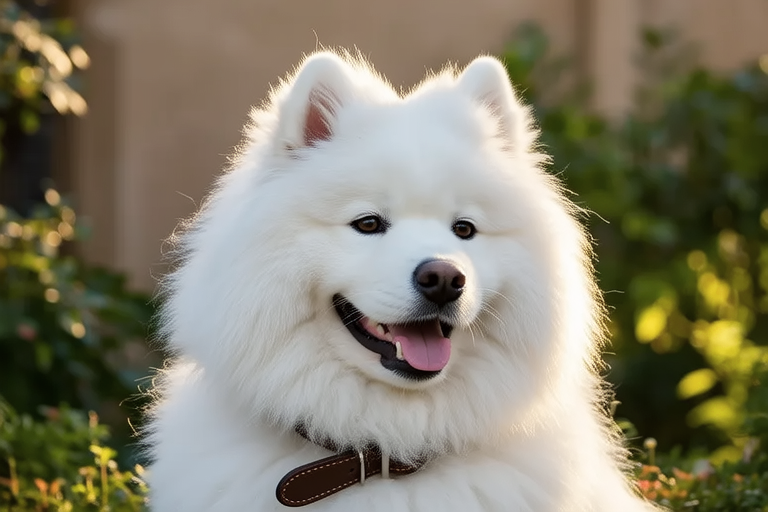
Samoyed Secrets: Tips for Owners Who Want Their Pets to Shine
Welcome to the world of Samoyed ownership! Known for their striking white coats and friendly demeanor, Samoyeds are a joy to have around. However, they come with their own set of needs and challenges. This guide will provide you with essential advice on grooming, nutrition, exercise, training, and healthcare specific to Samoyeds. By the end, you’ll know how to bring out your Samoyed’s best qualities and ensure they shine in every aspect of their life.
Understanding Your Samoyed
Before diving into care tips, it’s important to understand what makes Samoyeds unique. Originally bred by the Samoyede people of Siberia as working dogs, these dogs are known for their loyalty, intelligence, and adaptability. They are highly social animals that thrive in human companionship. Samoyeds have a double coat, which means they have two layers of fur: a soft undercoat and a longer, water-resistant outer coat. This double coat provides excellent insulation but requires regular grooming to prevent matting and keep your Samoyed comfortable.
Grooming: The Key to a Shiny Coat
Grooming is one of the most crucial aspects of owning a Samoyed. Their thick, fluffy coat demands attention, but the process can also be enjoyable if done right. Here’s how to tackle it:
Daily Brushing
Brush your Samoyed daily to remove loose hair and prevent matting. Use a slicker brush or a pin brush designed for long-haired dogs. Start from the head and work your way down to the tail, paying extra attention to areas prone to tangling, such as behind the ears and under the legs.
Bathing
While Samoyeds are generally clean dogs, bathing them too frequently can strip their coat of natural oils. Aim to bathe your Samoyed every six to eight weeks, or more often if they get dirty. Use a dog-specific shampoo that maintains their coat’s natural pH balance. Rinse thoroughly to avoid any residue, which can lead to skin irritation.
Trimming Nails and Teeth
Regular nail trimming is necessary to prevent overgrowth, which can cause discomfort and affect your Samoyed’s gait. If you’re unsure about doing this yourself, consider taking them to a professional groomer. Additionally, maintain good dental hygiene by brushing your Samoyed’s teeth at least twice a week. This helps prevent tartar buildup and keeps their breath fresh.
Nutrition: Fueling Your Samoyed’s Energy
A balanced diet is vital for keeping your Samoyed healthy and energetic. Here’s what you need to know:
High-Quality Dog Food
Choose a high-quality dog food that meets your Samoyed’s nutritional needs. Look for ingredients like meat, fish, and vegetables as primary components. Avoid foods with fillers, artificial preservatives, and colors. Consult with your veterinarian to determine the appropriate amount of food based on your Samoyed’s age, weight, and activity level.
Supplements
In addition to a balanced diet, consider adding supplements to support your Samoyed’s health. Omega-3 fatty acids, found in fish oil, promote a healthy coat and skin. Joint supplements can help maintain mobility, especially as your Samoyed ages. Always consult your vet before starting any new supplement regimen.
Hydration
Ensure your Samoyed has access to fresh, clean water at all times. Proper hydration supports overall health and aids in digestion. Monitor your Samoyed’s water intake, and consult your vet if you notice any changes in drinking habits.
Exercise: Keeping Your Samoyed Fit and Happy
Samoyeds are active dogs that require regular exercise to stay healthy and happy. Here’s how to meet their physical needs:
Regular Walks
Take your Samoyed for at least two walks per day, each lasting 30 minutes to an hour. These walks provide mental stimulation and physical exertion, helping to burn off excess energy. Vary the route to keep things interesting and encourage exploration.
Playtime
Engage your Samoyed in interactive play sessions. Fetch, tug-of-war, and puzzle toys are great ways to stimulate their mind and body. Playing fetch is particularly enjoyable for Samoyeds, as it allows them to use their natural herding instincts.
Training Sessions
Training is not only beneficial for obedience but also serves as a form of exercise. Teach your Samoyed basic commands and incorporate some agility exercises, such as weaving through cones or jumping over small obstacles. This type of training enhances coordination and strengthens the bond between you and your pet.
Training: Bringing Out the Best in Your Samoyed
Samoyeds are intelligent and eager to please, making them excellent candidates for training. Here are some tips to help you train your Samoyed effectively:
Positive Reinforcement
Use positive reinforcement techniques, such as treats and praise, to reward desired behaviors. This method fosters a strong bond between you and your Samoyed while encouraging good behavior. Be consistent with your rewards to reinforce the learning process.
Early Socialization
Expose your Samoyed to different environments, people, and other animals from an early age. This helps them develop confidence and reduces the likelihood of fear-based aggression. Positive experiences during puppyhood lay the foundation for a well-adjusted adult dog.
Consistency and Patience
Training takes time and patience. Be consistent with your commands and expectations. If your Samoyed doesn’t respond immediately, remain calm and patient. With persistence, your Samoyed will learn and grow.
Healthcare: Ensuring a Long and Healthy Life
Regular veterinary care is essential for maintaining your Samoyed’s health. Here’s what you need to know:
Vaccinations and Preventive Care
Follow your veterinarian’s recommended vaccination schedule to protect your Samoyed against common diseases. Additionally, administer monthly heartworm and flea/tick prevention as prescribed by your vet. Regular check-ups allow your vet to monitor your Samoyed’s overall health and catch any potential issues early.
Common Health Issues
Be aware of common health issues that affect Samoyeds, such as hip dysplasia, hypothyroidism, and progressive retinal atrophy. Early detection and treatment can significantly improve your Samoyed’s quality of life. Discuss genetic testing options with your vet to identify potential risks.
Senior Care
As your Samoyed ages, their needs may change. Senior dogs require more frequent veterinary visits, a tailored diet, and possibly additional joint support. Keep an eye on their mobility, appetite, and energy levels. Adjust their exercise routine accordingly and provide comfortable sleeping arrangements.
Bringing Out Your Samoyed’s Best Qualities
Samoyeds are known for their affectionate nature and playful spirit. Here are some tips to bring out their best qualities:
Embrace Their Playfulness
Samoyeds love to play and are full of energy. Encourage their playful side by participating in games and activities that suit their personality. Whether it’s chasing after a ball or romping in the snow, playing with your Samoyed strengthens your bond and keeps them happy.
Promote Their Intelligence
Samoyeds are intelligent dogs that enjoy solving problems. Provide them with puzzles and brain games to keep their minds sharp. Teaching them new tricks or engaging in training sessions also stimulates their cognitive abilities.
Show Appreciation
Samoyeds thrive on human interaction and affection. Show your appreciation for your Samoyed by spending quality time together, giving them plenty of attention, and rewarding good behavior. A well-loved Samoyed is a confident and content dog.
Conclusion
Owning a Samoyed is a rewarding experience that comes with its own set of responsibilities. By following the tips outlined in this guide, you can ensure your Samoyed remains healthy, happy, and shining. Remember to tailor your approach to your individual dog’s needs and preferences. With proper care and attention, your Samoyed will continue to be a loyal companion and a joy to have around.
