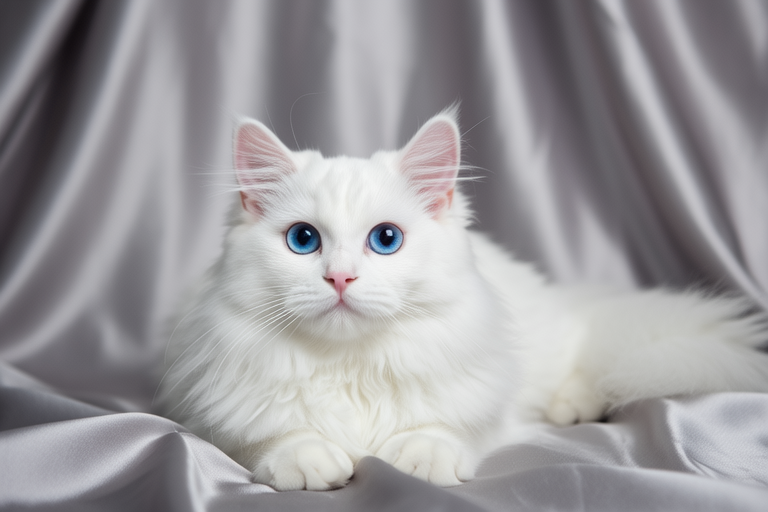
Unveiling the Mystery Behind the Stunning Turkish Angora Breed
The Turkish Angora, a breed that has captivated hearts and minds for centuries, stands as a testament to elegance and grace. This breed, with its rich history and royal heritage, has played a significant role in Turkish culture and continues to be celebrated globally for its unique characteristics. From its striking appearance to its intelligent and adaptable nature, the Turkish Angora is a breed unlike any other.
Historical Origins: A Royal Heritage
The Turkish Angora can trace its roots back to ancient times, where it was revered in the palaces of the Ottoman Empire. It is believed that these cats were favored by royalty, and they often adorned the luxurious homes of the elite. The breed’s name itself is derived from Ankara (formerly known as Angora), a city in central Turkey, which has been a breeding ground for these exquisite felines since time immemorial.
Historically, Turkish Angoras have been associated with nobility and luxury, often being given as gifts to foreign dignitaries. Their presence in Turkish culture is deeply intertwined with stories of loyalty and companionship, making them more than just pets but symbols of prestige and refinement.
Unique Physical Characteristics: A Symphony of Beauty
One of the most striking features of the Turkish Angora is its coat. These cats come in a wide array of colors, including white, black, blue, red, and even tabby patterns. Their fur is silky and fine, often appearing almost transparent when viewed against the light. This characteristic has earned them the nickname “the living jewels” among cat enthusiasts.
Their eyes, another hallmark of the breed, are large, almond-shaped, and can range from emerald green to deep gold, adding an ethereal quality to their already captivating appearance. This combination of stunning coat and mesmerizing eyes makes the Turkish Angora a visual delight.
Temperament: Playful, Affectionate, and Intelligent
Beyond their physical beauty, Turkish Angoras are known for their charming personalities. They are highly social animals, often forming strong bonds with their human companions. Their playful nature makes them excellent company for families and individuals alike, always ready to engage in games and activities.
Intelligence is another key trait of the Turkish Angora. They are quick learners and can be trained to perform tricks or respond to commands. Their adaptability allows them to thrive in various environments, making them ideal pets for those who lead active lifestyles.
Health Issues and Care Tips
While generally healthy, Turkish Angoras can be prone to certain health issues. One of the most common concerns is hypertrophic cardiomyopathy, a heart condition that affects many purebred cats. Regular veterinary check-ups and early detection can help manage this issue effectively.
Grooming is essential for maintaining the Turkish Angora’s beautiful coat. Their fur requires regular brushing to prevent matting and ensure a healthy shine. Additionally, keeping their nails trimmed and ears clean are vital for their overall hygiene.
Myths and Misconceptions
Despite their popularity, there are several myths surrounding the Turkish Angora. One common misconception is that all Turkish Angoras are white. While white is a popular color, the breed comes in a variety of shades and patterns. Another myth is that these cats are high-maintenance due to their appearance. In reality, with proper care, their grooming needs are manageable.
Cheered by Cat Enthusiasts Worldwide
The Turkish Angora’s appeal extends far beyond its homeland. Cat lovers around the world appreciate its unique blend of beauty, intelligence, and companionship. Their presence in homes and shows continues to grow, solidifying their reputation as one of the most beloved breeds.
In conclusion, the Turkish Angora is more than just a cat; it is a piece of history, a symbol of elegance, and a loyal companion. Whether you’re a seasoned cat owner or a newcomer to the world of felines, the Turkish Angora offers a rewarding experience that is hard to match.
