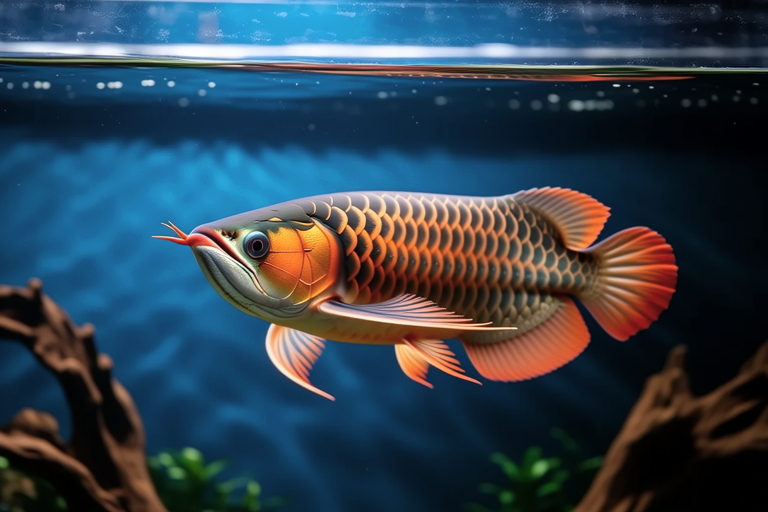
Arowana Wonders: Exploring the Best Breeds and Their Unique Traits
Welcome to the fascinating world of Arowanas, some of the most majestic and sought-after fish in the aquarium hobby. Known for their sleek bodies, vibrant colors, and impressive jumping abilities, these freshwater giants have captivated aquarists worldwide. Not only are they a stunning addition to any aquarium, but they also hold significant cultural and ecological importance.
The Significance of Arowanas
In many Asian cultures, Arowanas are believed to bring good luck and prosperity. In Chinese culture, for instance, they are considered symbols of wealth and success, often referred to as “Dragon Fish.” This reputation has led to a surge in demand for these fish, making them highly prized among collectors. Beyond their cultural significance, Arowanas play a crucial role in their natural ecosystems, helping to maintain the balance of aquatic life.
Different Breeds of Arowanas
1. Scleropages formosus (Asian Arowana)
The Asian Arowana, native to Southeast Asia, is perhaps the most famous breed. Its shimmering scales come in various colors, including red, green, and gold. This species thrives in slow-moving rivers and swamps, preferring water with a pH range of 6.5 to 7.5 and a temperature between 24°C and 28°C. Asian Arowanas are carnivorous, feeding primarily on live or frozen foods such as shrimp, feeder fish, and insects. They exhibit territorial behavior and require ample space to swim freely.
2. Scleropages leichardti (Australian Arowana)
The Australian Arowana, also known as the Barramundi Cod, is found in northern Australia and parts of Papua New Guinea. It boasts a silvery-blue body with a long, streamlined shape, making it an excellent swimmer. These fish prefer large, well-oxygenated waters, such as rivers and floodplains. They are opportunistic feeders, consuming a variety of prey including small fish, insects, and crustaceans. Australian Arowanas are known for their powerful leaps, sometimes clearing the water’s surface in pursuit of flying insects.
3. Osteoglossum bicirrhosum (Silver Arowana)
The Silver Arowana hails from South America and is distinguished by its metallic silver scales and two barbels near its mouth. They inhabit rivers and floodplains with soft, sandy bottoms. Silver Arowanas thrive in slightly acidic water with a pH between 6.0 and 7.0 and temperatures ranging from 24°C to 30°C. These fish are voracious predators, feeding on insects, small fish, and even birds that venture too close to the water’s edge. Their ability to leap out of the water to catch prey is one of their most remarkable traits.
4. Scleropages jardinii (Jardinii Arowana)
The Jardinii Arowana, native to New Guinea, is smaller than its Asian counterpart but equally striking. It features a dark greenish-brown body with iridescent blue-green scales. Jardinii Arowanas prefer calm, shallow waters with plenty of vegetation. They thrive in water with a pH between 6.5 and 7.5 and temperatures between 24°C and 28°C. These fish are omnivorous, feeding on both plant matter and small animals. Jardinii Arowanas are social creatures, often swimming in pairs or small groups.
Tips for Aquarium Setup and Maintenance
Creating an ideal habitat for your Arowana requires careful consideration of several factors:
- Size: Arowanas need ample space to grow and swim. For a single adult, a tank of at least 180 gallons is recommended. The tank should be longer rather than deeper to provide horizontal swimming space.
- Water Quality: Maintain optimal water conditions by regularly testing and adjusting pH levels, ammonia, nitrite, and nitrate levels. Use a high-quality filtration system to ensure clean and oxygen-rich water.
- Decorations: Provide hiding spots and resting areas using driftwood, rocks, and plants. However, avoid sharp or rough decorations that could injure your fish.
- Feeding: Offer a balanced diet consisting of high-quality pellets, frozen or live foods. Feed your Arowana two to three times a week, ensuring they consume all food within five minutes.
- Temperature: Keep the water temperature consistent, ideally between 24°C and 28°C, using a reliable heater.
Conservation Status and Preservation Efforts
Unfortunately, many Arowana species face threats due to overfishing, habitat destruction, and illegal trade. Several breeds are listed as endangered or vulnerable by international organizations. As aquarists, we can contribute positively to their preservation by supporting sustainable breeding programs and responsible purchasing practices. Choose captive-bred specimens whenever possible to reduce pressure on wild populations.
Additionally, consider participating in conservation initiatives or donating to organizations dedicated to protecting these magnificent fish. By raising awareness about the importance of preserving Arowanas, you can help ensure their survival for future generations.
In conclusion, Arowanas are truly remarkable creatures that deserve our admiration and care. Whether you’re a beginner or an experienced aquarist, exploring the best breeds and understanding their unique traits will enrich your experience with these majestic fish. By providing them with proper care and contributing to their conservation, we can help ensure the continued existence of these fascinating creatures in both captivity and the wild.
