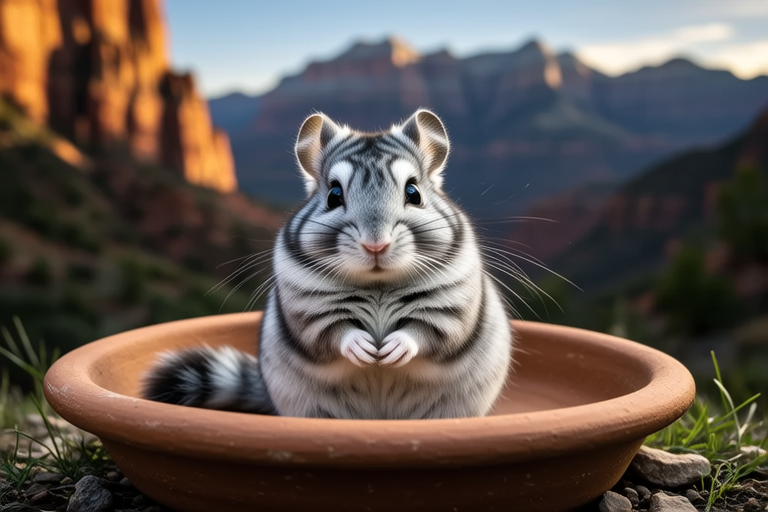
From Andes to Your Home: How Chinchillas Became Popular Pets
In the vast expanse of South America, high in the Andes Mountains, lives a small, fluffy creature known as the chinchilla. These adorable rodents have become increasingly popular as pets, but their journey from the wilds of the Andes to cozy homes around the world is a tale filled with history, conservation, and adaptation. This article delves into the origins of chinchillas, their unique adaptations to life in the Andes, early human interactions, their role in the fur trade, and their eventual rise as beloved household pets.
The Natural Habitat and Adaptations of Chinchillas
Chinchillas inhabit the harsh, rocky terrain of the Andes Mountains, where temperatures can drop to freezing at night and soar during the day. Their natural habitat is characterized by sparse vegetation, steep cliffs, and deep crevices that provide shelter. To survive in this challenging environment, chinchillas have developed remarkable adaptations. Their thick, soft fur serves as insulation against extreme temperatures, while their large ears help dissipate heat. Additionally, chinchillas possess powerful hind legs, enabling them to leap great distances to evade predators.
Another unique feature of chinchillas is their method of grooming. Unlike most mammals, chinchillas take dust baths to clean themselves. They roll around in fine volcanic ash or pumice, which helps remove dirt and excess oils from their dense fur. This behavior is essential for maintaining their health and hygiene in the wild.
Early Interactions Between Humans and Chinchillas
Long before chinchillas became popular pets, they had significant cultural importance among indigenous peoples of the Andean region. The Atacameño people, who lived in what is now northern Chile and southern Peru, valued chinchillas for their luxurious fur. The indigenous communities used chinchilla pelts to make clothing and blankets, which provided warmth and protection against the cold mountain climate. However, the hunting practices of these early interactions were generally sustainable, as the indigenous populations were relatively small and did not pose a significant threat to the chinchilla population.
As European explorers arrived in the Andes during the 16th century, they encountered chinchillas and quickly recognized the value of their fur. The soft, dense pelt was highly sought after, and soon, chinchillas became a valuable commodity in international trade. However, the demand for chinchilla fur far exceeded the natural reproduction rates, leading to overhunting and a sharp decline in wild populations.
The Fur Trade and Conservation Efforts
The 19th and early 20th centuries saw a dramatic increase in the demand for chinchilla fur, particularly in Europe and North America. The luxurious appearance of chinchilla coats made them a symbol of wealth and status among the elite. As a result, chinchillas were hunted to near extinction in the wild. By the mid-20th century, only a few isolated populations remained in remote areas of the Andes.
In response to this crisis, conservation efforts were initiated. In 1918, Mathias F. Chapman, an American mining engineer, captured 11 chinchillas from the wild and brought them back to the United States. He established a breeding program aimed at preserving the species and reducing pressure on wild populations. This pioneering effort laid the foundation for the captive breeding of chinchillas, which would later play a crucial role in their survival.
Despite these efforts, chinchillas remained elusive and difficult to breed in captivity. It wasn’t until the 1960s that significant progress was made in understanding their reproductive cycles and dietary needs. This breakthrough allowed for more successful breeding programs and eventually led to the availability of chinchillas as pets.
The Rise of Chinchillas as Pets
The gradual success of captive breeding programs set the stage for chinchillas to enter the pet market. One of the key milestones in this process was the establishment of the American Chinchilla Breeders Association (ACBA) in 1964. The ACBA promoted responsible breeding practices and helped standardize the selection criteria for chinchilla shows. This organization played a vital role in increasing public awareness about chinchillas as pets and fostering a community of enthusiasts.
Notable figures also contributed to the popularity of chinchillas as pets. For example, in the 1970s, actress Betty White appeared in a series of commercials promoting chinchillas as ideal companions. Her charming personality and the cute, cuddly nature of the chinchillas in the ads helped capture the public’s imagination and boosted interest in these animals as pets.
Additionally, advancements in veterinary medicine and husbandry techniques further improved the quality of life for captive chinchillas. Veterinarians began to develop specialized diets and care guidelines, ensuring that pet chinchillas could thrive in domestic settings. As more information became available, pet stores and breeders started offering chinchillas for sale, making them accessible to a broader audience.
Current Status of Chinchillas as Pets
Today, chinchillas are widely regarded as one of the most popular exotic pets, cherished for their playful demeanor and striking appearance. However, owning a chinchilla comes with specific responsibilities and care requirements. Chinchillas require spacious enclosures with ample room for exercise and climbing, as well as a dust bath area for grooming. Their diet should consist primarily of hay, supplemented with pellets specifically formulated for chinchillas. Fresh water must always be available, and regular veterinary check-ups are essential to maintain their health.
One of the main reasons chinchillas appeal to pet owners is their unique behaviors and social nature. They are intelligent, curious, and enjoy interacting with their human companions. Many chinchilla owners report that their pets exhibit a wide range of emotions and respond positively to gentle handling and playtime. Their ability to form strong bonds with their owners makes them delightful companions for those seeking an interactive and engaging pet.
Moreover, chinchillas are low-maintenance compared to other exotic pets, requiring minimal grooming beyond their dust baths. They are relatively quiet and do not produce strong odors, making them suitable for apartment living. These qualities, combined with their endearing appearance, have cemented chinchillas’ place as beloved members of many households.
In conclusion, the journey of chinchillas from the rugged Andes Mountains to becoming popular pets is a testament to human ingenuity and conservation efforts. From their unique adaptations to life in the wild to their rise as symbols of luxury and status in the fur trade, chinchillas have faced numerous challenges. However, through dedicated breeding programs and responsible pet ownership, chinchillas have found a new home in our hearts and homes. As we continue to learn more about these fascinating creatures, it is important to ensure their welfare and promote ethical breeding practices to preserve their legacy for future generations.
