5 Surprising Facts About Betta Fish That Will Make You Rethink Aquarium Care
Betta fish, often called Siamese fighting fish, are one of the most popular choices for home aquariums. Known for their vibrant colors and flowing fins, they are a favorite among both beginners and experienced aquarists. However, there’s more to these beautiful creatures than meets the eye. Here are five surprising facts about betta fish that will make you rethink your aquarium care practices.
Fact 1: The Natural Habitat of Betta Fish
The first surprising fact about betta fish is their natural habitat. Contrary to popular belief, bettas do not naturally live in small, shallow puddles. In their native Southeast Asian environment, bettas thrive in slow-moving, heavily vegetated waters such as rice paddies, canals, and drainage ditches. These environments provide ample hiding spots and protection from predators. Understanding this natural habitat is crucial for setting up an optimal aquarium for bettas.
Tips for Optimal Aquarium Setup:
- Provide plenty of vegetation and hiding spots, such as plants and caves.
- Aim for a tank size of at least 5 gallons, but larger is always better.
- Incorporate gentle water movement to mimic their natural environment.
Fact 2: Vibrant Color Variations
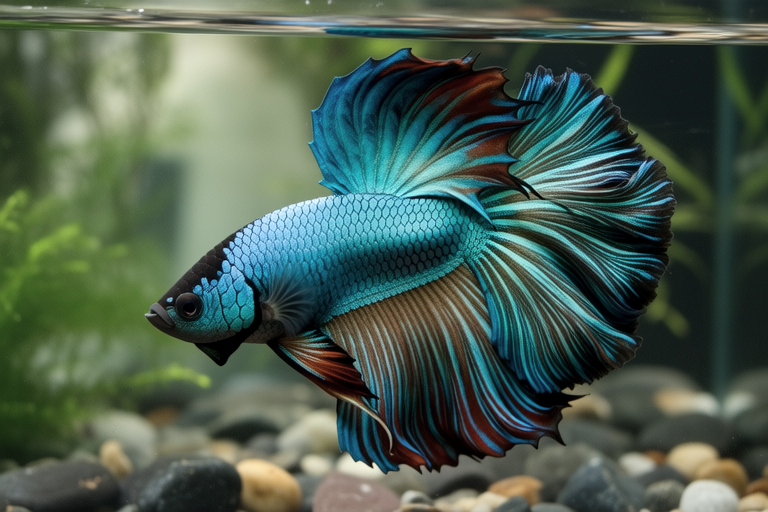
Betta fish are famous for their dazzling array of colors. From deep blues and purples to fiery reds and electric greens, their color palette is truly remarkable. But did you know that the intensity of these colors can be influenced by their environment? Bright lighting and healthy diet can enhance the pigmentation, making your betta even more vibrant. Additionally, certain genetic factors can result in rare and exotic color patterns, like the half-moon or the super delta tail.
Tips for Enhancing Color:
- Use LED lights to highlight your betta’s colors during feeding times.
- Feed high-quality, color-enhancing pellets and flakes.
- Ensure proper water conditions to maintain overall health and color.
Fact 3: Unique Respiratory Systems
Betta fish have a fascinating respiratory system. They possess a specialized organ called the labyrinth organ, which allows them to breathe air directly from the surface. This adaptation enables them to survive in oxygen-depleted waters. However, it also means that bettas need access to the water’s surface for proper respiration. It’s important to provide a tank with a stable water surface and avoid overstocking with plants or decorations that might obstruct this area.
Tips for Proper Respiration:
- Ensure the water surface is clear and unobstructed.
- Aerate the tank with a gentle filter or air pump.
- Perform regular water changes to maintain oxygen levels.
Fact 4: Social Behaviors
Betta fish are often mistakenly believed to be solitary creatures due to their aggressive nature towards other bettas. While it’s true that males can be territorial and aggressive towards one another, bettas can exhibit complex social behaviors when introduced to non-aggressive species. Females, in particular, can coexist peacefully in groups known as sororities. Moreover, bettas can form bonds with other fish species, enhancing the social dynamics of your aquarium.
Tips for Social Interaction:
- Introduce female bettas to each other gradually to establish a peaceful sorority.
- Choose compatible species that won’t stress out the betta.
- Monitor interactions closely to ensure all fish are comfortable.
Fact 5: Care Requirements
Finally, betta fish require specific care to thrive. Many people believe that bettas can survive in small, poorly maintained tanks. However, this is far from the truth. Betta fish need clean, well-maintained water with stable parameters. Regular water changes, appropriate filtration, and suitable temperature control are essential. Furthermore, bettas are sensitive to sudden changes in their environment, so gradual acclimation is necessary when introducing new water or moving them to a different tank.
Tips for Optimal Care:
- Perform weekly water changes of 25-50% to maintain water quality.
- Invest in a reliable filter to keep the water clean and oxygenated.
- Maintain a stable temperature between 76°F and 82°F (24°C and 28°C).
In conclusion, betta fish are fascinating creatures with unique characteristics that deserve careful consideration in their care. By understanding their natural habitat, vibrant color variations, unique respiratory systems, social behaviors, and specific care requirements, you can create an optimal environment for your betta fish. Rethinking traditional aquarium care based on these surprising facts will lead to healthier, happier bettas and a more vibrant aquarium ecosystem.
