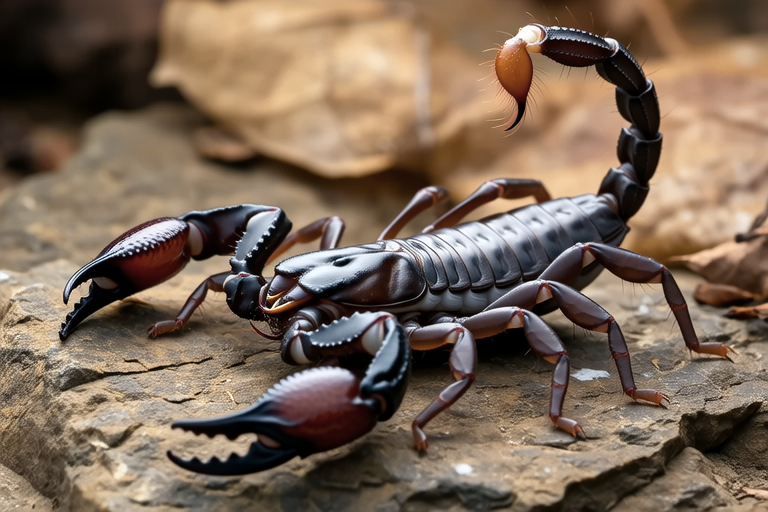
Heterometrus Spinifer: Distinguishing Myths from Realities
Introduction
The Heterometrus spinifer, commonly known as the Indian red scorpion, is a fascinating arachnid that has intrigued both scientists and enthusiasts alike. This article aims to provide a comprehensive overview of the species, dispelling common myths and presenting factual information about its native habitat, behavior, care requirements, and safety concerns. Whether you’re a seasoned owner or a curious beginner, this guide will equip you with the knowledge necessary to understand and appreciate these creatures.
Native Habitat and Behavior
Native to parts of India, Nepal, and Bangladesh, the Heterometrus spinifer thrives in tropical and subtropical environments. These scorpions prefer humid conditions and can often be found under rocks, logs, or within crevices. Their nocturnal nature makes them active during the night, hunting small insects and other arthropods for sustenance.
Typically, Heterometrus spinifer exhibit a calm demeanor, but like any wild animal, they can become defensive if threatened. Their natural habitat and behavior are essential to understanding their needs in captivity, ensuring they remain healthy and content.
Common Misconceptions
One of the most pervasive myths about Heterometrus spinifer is their extreme aggression. While they possess a potent venom capable of causing severe pain in humans, these scorpions generally avoid confrontation unless provoked. Another misconception is that they require minimal care, which couldn’t be further from the truth. Proper handling, diet, and environmental conditions are crucial for their well-being.
Temperament and Potential Threats
Heterometrus spinifer are relatively docile compared to other scorpion species. However, it’s important to handle them with care, as their sting can be painful. For most people, the sting causes localized pain, swelling, and redness, similar to a bee sting. In rare cases, individuals may experience allergic reactions, so it’s advisable to consult a healthcare provider if symptoms worsen.
Owners must also be cautious of potential health risks associated with improper care. Neglecting their environment or diet can lead to stress, malnutrition, and illness. Regular monitoring and appropriate care are essential to maintaining the health of your pet.
Proper Housing Conditions
Adequate housing is fundamental to the well-being of Heterometrus spinifer. They require a terrarium with ample space, humidity, and temperature control. The enclosure should have a substrate layer of at least 3 inches deep, allowing for burrowing and moisture retention. A hygrometer and thermometer are indispensable tools for monitoring the environment’s humidity and temperature levels, respectively.
Providing hiding spots such as cork bark, caves, or half logs is vital for their comfort and stress reduction. Additionally, a shallow water dish should be available at all times to prevent dehydration. Ensuring the enclosure is escape-proof is equally important to prevent accidental injury or loss.
Diet and Care Requirements
Feeding Heterometrus spinifer a balanced diet is crucial for their health. Insects such as crickets, mealworms, and dubia roaches are ideal prey items. It’s recommended to feed adult scorpions every 7 to 10 days, while juveniles may require more frequent meals. Gut loading the feeder insects with nutritious food before offering them to the scorpion enhances the nutritional value of each meal.
Handling should be minimized to reduce stress. When necessary, always use thick gloves and handle the scorpion gently. Avoid sudden movements and maintain a steady grip to prevent dropping or squeezing the scorpion.
Tips for New and Experienced Owners
New owners should familiarize themselves with the species’ specific needs before acquiring a Heterometrus spinifer. Researching reputable breeders or suppliers ensures you receive a healthy and properly acclimated scorpion. Experienced owners should continue to learn and adapt their care techniques based on advancements in husbandry practices.
Regularly cleaning the enclosure and monitoring the scorpion’s behavior are key to early detection of health issues. Providing enrichment through varied feeding schedules and environmental modifications can stimulate their natural behaviors and promote mental and physical well-being.
Resources for Further Learning
For those eager to deepen their understanding of Heterometrus spinifer, numerous books and articles are available. “Scorpions: A Complete Pet Owner’s Manual” by Mark O’Shea offers valuable insights into scorpion care. Online forums and community groups dedicated to exotic pets also serve as excellent platforms for sharing experiences and seeking advice.
If you encounter challenges or have questions beyond the scope of this guide, consulting a veterinarian specializing in exotics or a herpetologist can provide professional guidance. Local reptile expos and workshops offer opportunities to network with experts and fellow enthusiasts.
Conclusion
Understanding the nuances of Heterometrus spinifer care requires commitment and dedication. By distinguishing myths from realities and adhering to best practices, owners can ensure their scorpions lead happy and healthy lives. Embracing the responsibility of caring for these remarkable creatures fosters a deeper appreciation for the diversity of life and the importance of responsible pet ownership.
