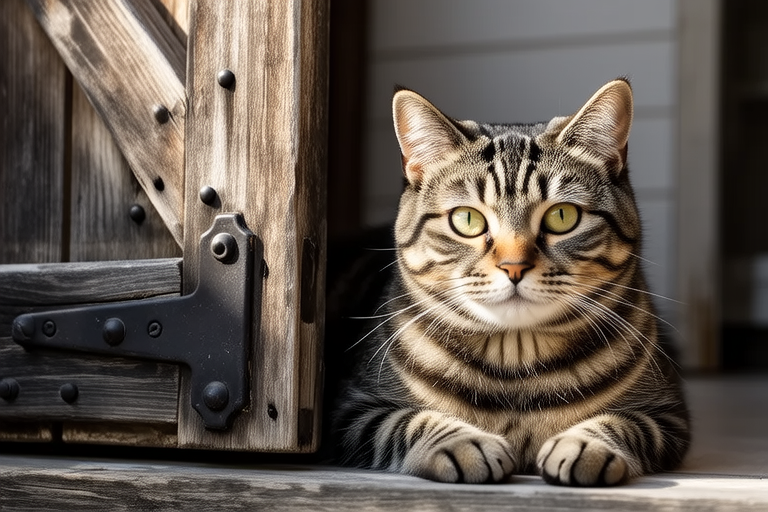
From Barnyards to Bedrooms: The Remarkable History of the American Shorthair
The American Shorthair is one of the most beloved and enduring cat breeds in the United States. Its journey from European barnyards to American households is a fascinating tale of adaptation, survival, and evolution. This breed has not only thrived in various environments but also captured the hearts of many cat lovers with its friendly demeanor and robust health. In this article, we will explore the origins of the American Shorthair, its role in American history, and its transformation into a cherished family pet.
The Origins of the American Shorthair
The American Shorthair’s roots trace back to Europe, where it was originally known as the “Domestic Shorthair.” These cats were brought over by British and Dutch settlers in the early 17th century to protect their ships and settlements from rodents. The sturdy, muscular build of these cats made them excellent mousers, and they quickly became indispensable companions on long sea voyages and in new colonies.
The first American Shorthairs arrived in the New World during the 1600s, accompanying pilgrims on the Mayflower and other ships. Their primary role was to keep rodent populations under control, ensuring the safety and productivity of farms and homes. Over time, these cats adapted to the harsh conditions of early American life, developing a resilient and hardy nature that would become a hallmark of the breed.
From Farms to Families
Initially, the American Shorthair was primarily valued for its practicality on farms and ships. However, as American society evolved, so did the role of these cats. By the late 19th century, the American Shorthair had begun to transition from working animals to beloved pets. This shift was partly due to changes in American lifestyles, as urbanization and industrialization reduced the need for farm cats, and partly because of the growing popularity of keeping pets for companionship.
The breed’s reputation for being gentle, affectionate, and adaptable made it an ideal choice for families. Unlike some more aloof or high-maintenance breeds, the American Shorthair is known for its calm and friendly disposition, which makes it an excellent companion for children and other pets. This characteristic, combined with its striking appearance and robust health, contributed to its increasing popularity as a household pet.
Characteristics of the American Shorthair
The American Shorthair is a medium-sized cat with a broad chest and strong legs. It has a short, dense coat that comes in a variety of colors and patterns, including solid colors like black, white, and blue, as well as tabby patterns and bi-colors. The breed’s coat is easy to maintain, requiring only occasional brushing to remove loose hairs and prevent matting.
One of the most notable features of the American Shorthair is its temperament. Known for being laid-back and good-natured, these cats are typically very patient and tolerant, making them excellent companions for busy households. They are also intelligent and playful, often enjoying interactive toys and games. Despite their gentle nature, American Shorthairs can be quite active, especially when young, and enjoy exploring their surroundings.
In terms of health, the American Shorthair is generally a very healthy breed with few genetic predispositions to serious illnesses. Common health issues include obesity, which can be managed through proper diet and exercise, and dental problems, which can be prevented with regular brushing and professional cleanings. Overall, the breed is known for its longevity, with many cats living into their late teens or even early twenties.
Recognition by Cat Registries
The American Shorthair has been recognized by major cat registries since the early 20th century. The Cat Fanciers’ Association (CFA) first recognized the breed in 1906, and it has since become one of the most popular breeds in the United States. The breed has also been recognized by the International Cat Association (TICA), the American Cat Fanciers’ Association (ACFA), and other organizations around the world.
Despite its long history and widespread popularity, the American Shorthair has faced challenges in the show ring. For many years, it was overshadowed by more exotic-looking breeds, such as Persians and Siamese. However, in recent decades, there has been a resurgence of interest in the breed, partly due to its growing reputation as a healthy and reliable companion animal.
Significant Historical Events
The American Shorthair’s journey has been shaped by several significant historical events. One of the most important was the establishment of the CFA in 1906, which helped to standardize breeding practices and promote the breed’s qualities. Another key event was the breed’s recognition by the CFA in 1966, which marked the beginning of its rise to prominence in the show ring.
During the 1980s and 1990s, the American Shorthair experienced a surge in popularity, partly due to its reputation as a healthy and low-maintenance pet. This period coincided with a broader trend towards pet ownership in the United States, as more people sought companionship and emotional support from their animals. The breed’s adaptability and friendly nature made it an ideal choice for families, and its growing popularity helped to cement its status as one of the most beloved cat breeds in the country.
Care and Maintenance
Maintaining an American Shorthair is relatively straightforward, thanks to its short, dense coat and generally healthy constitution. Regular grooming is essential to keep the coat in good condition and prevent matting. A weekly brushing with a soft-bristled brush or comb is usually sufficient, although more frequent brushing may be necessary during shedding seasons.
Diet is another important aspect of caring for an American Shorthair. These cats have a tendency to gain weight, so it is crucial to provide a balanced diet that meets their nutritional needs without encouraging overeating. High-quality commercial cat foods are usually adequate, but it is always a good idea to consult with a veterinarian about specific dietary requirements based on age, activity level, and overall health.
Exercise is also important for maintaining the health and happiness of an American Shorthair. While these cats are generally less active than some other breeds, they still benefit from regular play and exploration. Interactive toys, scratching posts, and climbing structures can help to keep them mentally and physically stimulated. Providing opportunities for physical activity can also help to prevent obesity and associated health problems.
Conclusion
The American Shorthair’s journey from European barnyard to American bedroom is a testament to its adaptability and resilience. From its humble beginnings as a working cat to its current status as a beloved family pet, this breed has proven itself to be a versatile and endearing companion. With its friendly temperament, robust health, and striking appearance, the American Shorthair continues to capture the hearts of cat lovers around the world.
Whether you’re a seasoned cat owner or considering adding a feline friend to your household, the American Shorthair is certainly worth considering. Its history, coupled with its many positive attributes, makes it a truly remarkable breed that is sure to bring joy and companionship to your home.
