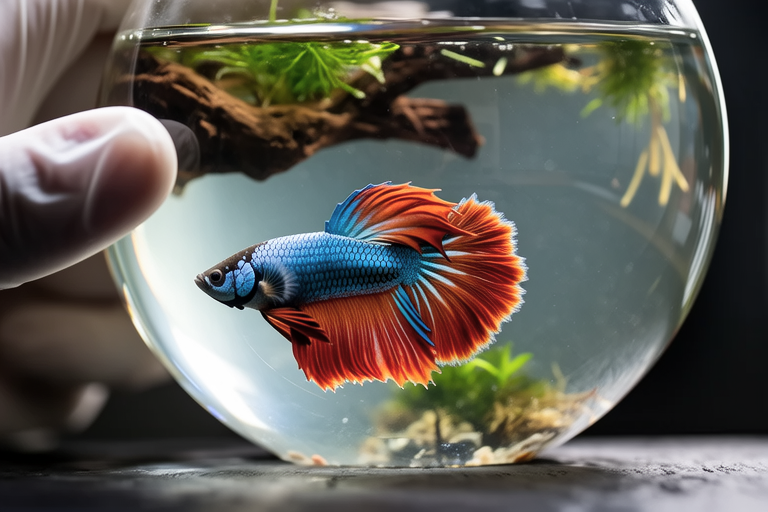
Betta Bonding: How to Play and Interact with Your Finned Friend
Welcome to the fascinating world of betta fish! These vibrant, colorful creatures are not just beautiful to look at but can also be delightful companions. Understanding how to bond with your betta fish involves learning about their behaviors, environmental needs, and interactive activities that can strengthen your relationship. This guide will provide you with all the information you need to form a strong connection with your finned friend.
Understanding Betta Behavior
To successfully bond with your betta, it’s essential to understand its behavior. Bettas are naturally territorial and can become aggressive when they feel threatened or stressed. However, they can also display affectionate behaviors towards their human caregivers. Here are some key points to consider:
- Solitary Nature: Bettas are typically solitary fish and prefer living alone. Placing multiple bettas together can lead to fights and stress.
- Signs of Stress: Watch out for signs of stress such as hiding, darting around the tank, or flicking their fins. These behaviors indicate that something in the environment may be causing discomfort.
- Positive Behaviors: Bettas often show interest in their human companions by swimming towards the front of the tank, flaring their gills, or even nudging the glass. These actions are signs of recognition and can be seen as a form of communication.
Environmental Needs
Your betta’s environment plays a crucial role in its health and happiness. A well-maintained aquarium provides a safe space where your betta can thrive. Consider the following factors:
- Water Quality: Regularly test the water for ammonia, nitrite, and nitrate levels. Maintain a temperature between 76-82°F (24-28°C) and ensure proper filtration.
- Tank Size: While bettas can survive in smaller tanks, a larger tank (at least 5 gallons) allows them more room to swim and explore. This can reduce stress and promote healthier behavior.
- Decorations: Provide hiding spots like caves, plants, and driftwood. These items mimic natural environments and offer security for your betta.
Interactive Activities
Engaging with your betta through play and interaction can deepen your bond. Here are some fun activities to try:
Feeding Games
Turn feeding time into a game by using small, floating objects like ping pong balls or specially designed betta toys. Gently tap the toy on the water surface, causing ripples that will attract your betta’s attention. As it swims towards the toy, drop food near it. This activity not only encourages physical activity but also strengthens the connection between you and your pet.
Target Training
Target training is another exciting way to interact with your betta. Using a clean, soft object like a plastic spoon or a wooden dowel, gently guide your betta towards the target. Reward it with food each time it touches the target. Over time, your betta will learn to follow the target, creating a fun and rewarding experience for both of you.
Observation Time
Simply spending quiet moments observing your betta can be beneficial. Sit near the tank and watch its movements, noting any changes in behavior. This practice helps build trust and strengthens the emotional bond between you and your fish.
Tips for Beginners
If you’re new to owning a betta fish, here are some tips to help you get started:
- Research: Before bringing your betta home, thoroughly research its care requirements. Understand the importance of water quality, tank size, and diet.
- Patience: Building a bond takes time. Be patient and consistent in your interactions with your betta.
- Consistency: Establish a routine for feeding, cleaning, and playing with your betta. Consistency helps your betta recognize you and builds trust.
Maintaining a Healthy Relationship
To maintain a healthy relationship with your betta, focus on its overall well-being:
- Regular Check-ups: Schedule regular visits to a veterinarian who specializes in fish. They can provide expert advice and ensure your betta remains healthy.
- Healthy Diet: Feed your betta a balanced diet consisting of high-quality pellets, flakes, and occasional live or frozen foods. Avoid overfeeding, as this can lead to health issues.
- Stress Reduction: Minimize stressors in your betta’s environment. Ensure the tank is free from overcrowding, and avoid sudden changes in lighting or water parameters.
Conclusion
Bonding with your betta fish is a rewarding experience that requires patience, understanding, and effort. By learning about your betta’s behavior, ensuring a suitable environment, and engaging in interactive activities, you can form a strong and lasting connection. Remember, every betta is unique, so take the time to observe and adapt your approach accordingly. With dedication and care, you’ll enjoy a fulfilling relationship with your finned friend.
