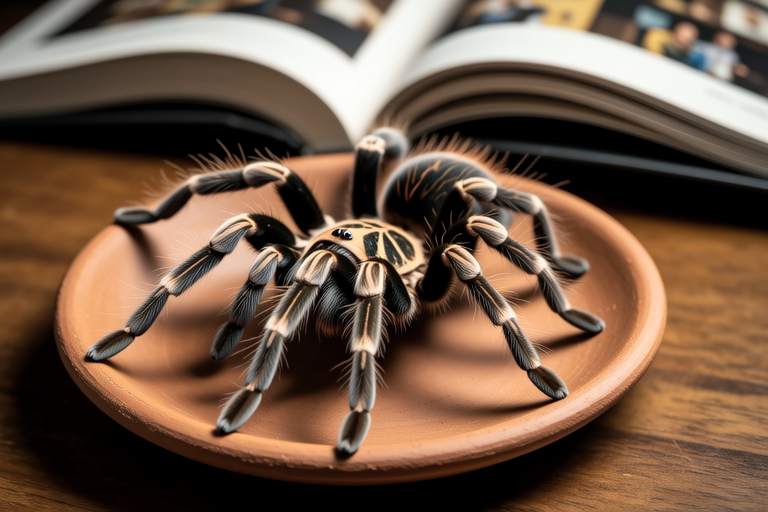
The Chilean Rose Tarantula: Myth vs Reality – What You Need to Know
The Chilean rose tarantula (Grammostola rosea) is one of the most popular spider species kept as pets due to its docile nature and relatively low maintenance requirements. However, many misconceptions surround this fascinating creature, often leading to misunderstandings about its behavior, safety, and ecological significance. This article aims to clarify these myths, providing you with accurate information about the Chilean rose tarantula’s temperament, habitat, diet, and care, as well as its role in the ecosystem and conservation efforts.
Myth vs. Reality: Debunking Common Misconceptions
Myth: The Chilean rose tarantula is highly dangerous to humans.
Reality: One of the most prevalent myths about the Chilean rose tarantula is that it poses a significant threat to humans. While it is true that all tarantulas have venom, the venom of the Chilean rose tarantula is mild and comparable to that of a bee sting. In most cases, the bite does not require medical attention, and the pain subsides within a few hours. Additionally, these spiders rarely bite unless provoked or threatened.
Myth: All tarantulas are aggressive.
Reality: Contrary to popular belief, the Chilean rose tarantula is known for its calm and docile temperament. They are generally non-aggressive and prefer to avoid confrontation. Their primary defense mechanism is their ability to shed hairs from their abdomen, which they can release when threatened. These hairs can cause irritation if they come into contact with human skin or eyes, but this is not a form of aggression.
Temperament, Habitat, and Dietary Needs
The Chilean rose tarantula is native to the dry regions of South America, including parts of Chile, Argentina, and Brazil. In the wild, they inhabit burrows in sandy or rocky terrain, where they can retreat to avoid predators and extreme weather conditions. Their burrows are typically lined with silk, providing a safe and comfortable environment.
In terms of diet, the Chilean rose tarantula is carnivorous and feeds primarily on insects such as crickets, mealworms, and small vertebrates like lizards and mice. In captivity, a varied diet consisting of appropriately sized insects is recommended to ensure optimal health. It’s important to note that overfeeding can lead to obesity, while underfeeding may result in malnutrition. A balanced diet is crucial for maintaining the tarantula’s energy levels and overall well-being.
Care Tips for Pet Owners
For those interested in keeping a Chilean rose tarantula as a pet, there are several essential factors to consider. Proper housing, feeding, and handling are critical components of responsible pet ownership.
Housing
A suitable enclosure for a Chilean rose tarantula should provide ample space for movement and hiding. A glass or plastic tank with a secure lid is ideal, ensuring that the spider cannot escape. The substrate should be at least three inches deep, allowing the tarantula to dig and create a burrow. Sand, coconut fiber, or a mix of both works well. Humidity levels should be maintained between 60% and 80%, which can be achieved by misting the enclosure periodically.
Temperature control is also vital. The enclosure should be kept at a temperature range of 75°F to 85°F (24°C to 29°C). A heat lamp or ceramic heater can be used to maintain the appropriate warmth, especially during colder months. It’s important to monitor the temperature regularly to prevent overheating or chilling.
Feeding
Feeding a Chilean rose tarantula requires careful consideration. Younger tarantulas should be fed smaller prey items every five to seven days, while adults can be fed less frequently, approximately once every two weeks. It’s essential to avoid overfeeding, as excess food can lead to obesity and other health issues. Always ensure that the prey is alive and moving to stimulate the tarantula’s hunting instincts.
Prey items should be appropriately sized, no larger than half the width of the tarantula’s body. Once the prey is placed in the enclosure, leave it for a few minutes to allow the tarantula to catch and consume it. If the tarantula does not eat within a day, remove the uneaten prey to prevent spoilage and potential harm to the tarantula.
Handling
While the Chilean rose tarantula is generally docile, handling should be approached with caution. These spiders are not accustomed to being held and may become stressed or agitated if handled improperly. When handling is necessary, gently scoop the tarantula into your hand and support its entire body. Avoid squeezing or pinching, as this can cause injury. It’s best to limit handling to only when absolutely necessary, such as during routine maintenance or veterinary check-ups.
The Role of the Chilean Rose Tarantula in the Ecosystem
The Chilean rose tarantula plays a vital role in its natural habitat. As predators, they help control insect populations, contributing to the balance of the ecosystem. Their burrowing habits also aid in soil aeration, promoting healthier plant growth. Furthermore, their presence serves as an indicator of environmental health; declines in tarantula populations can signal broader ecological issues.
In addition to their ecological importance, Chilean rose tarantulas have cultural significance in some regions. They are sometimes used in traditional medicine and rituals, highlighting the diverse ways in which humans interact with and value these creatures.
Conservation Efforts
Despite their popularity in the pet trade, the Chilean rose tarantula faces threats in the wild, primarily due to habitat destruction and over-collection for the exotic animal market. Conservation efforts focus on protecting their natural habitats and regulating the pet trade to ensure sustainable practices. Organizations and researchers work together to monitor populations and implement measures that safeguard the species’ future.
One such initiative involves creating protected areas where tarantulas can thrive without human interference. Educational programs also play a crucial role in raising awareness about the importance of preserving these unique creatures and their environments. By supporting these initiatives and making informed choices when purchasing pets, individuals can contribute to the conservation of the Chilean rose tarantula.
Conclusion
The Chilean rose tarantula is a remarkable species with much more to offer than meets the eye. By dispelling common myths and understanding their true nature, we can appreciate the complexity and beauty of these spiders. Whether you’re a seasoned arachnid enthusiast or a curious newcomer, learning about the Chilean rose tarantula offers valuable insights into the world of tarantulas and their role in our ecosystems.
By providing proper care and respect, pet owners can enjoy a rewarding relationship with their Chilean rose tarantulas while contributing positively to their conservation. Together, we can ensure the continued survival and well-being of these fascinating creatures for generations to come.
