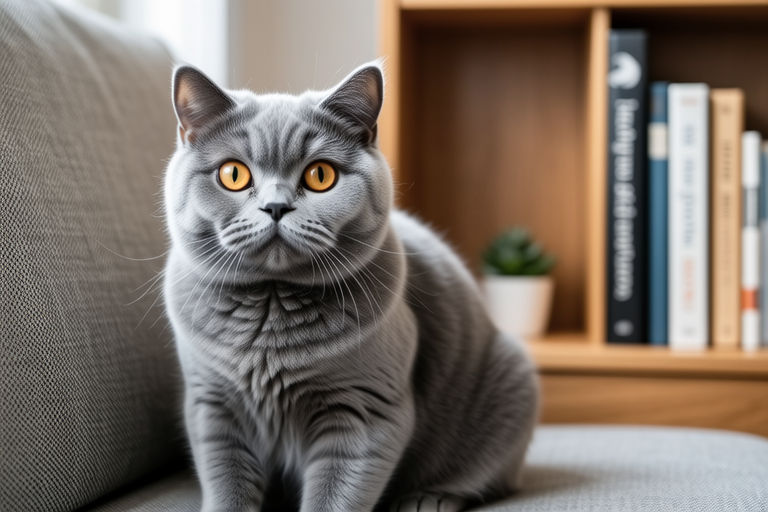
Silver Whiskers and Soft Paws: Everything You Need to Know About Caring for a British Shorthair
Welcome to the world of British Shorthairs, a breed renowned for its distinctive appearance and gentle demeanor. With their plush coats and expressive eyes, these cats have captured the hearts of many cat lovers around the globe. This comprehensive guide will walk you through everything you need to know about caring for a British Shorthair, from understanding their unique characteristics to ensuring they lead a healthy and happy life.
Unique Characteristics of British Shorthairs
The British Shorthair is a medium to large-sized cat with a robust build and a short, dense coat that comes in a variety of colors and patterns. Their most striking feature is their round face, which gives them a sweet and somewhat owl-like appearance. The British Shorthair’s coat is particularly notable for its plush texture, which can range from soft and silky to slightly woolly, depending on the individual cat. These cats have a sturdy body structure with broad shoulders and a deep chest, giving them a strong and powerful presence.
British Shorthairs are known for their calm and gentle nature, making them excellent companions for families and individuals alike. They are generally patient and tolerant, which makes them great with children and other pets. Their temperament is often described as laid-back and easygoing, with a tendency to enjoy lounging around more than being overly active. Despite their laid-back nature, they still require attention and interaction to thrive.
Dietary Needs
Providing a balanced diet is crucial for maintaining the health of your British Shorthair. Their nutritional requirements include high-quality protein, fats, carbohydrates, vitamins, and minerals. Opt for premium cat food that lists meat as the primary ingredient, as cats are obligate carnivores and require animal-based proteins for optimal health. Avoid foods containing fillers like corn or wheat, as these can lead to digestive issues and obesity.
Ensure your cat has access to fresh water at all times. Hydration is essential for maintaining kidney function and overall health. Be cautious of overfeeding, as British Shorthairs can be prone to weight gain due to their sedentary lifestyle. Obesity can lead to various health problems, including diabetes and arthritis. Monitor your cat’s weight and adjust portion sizes accordingly.
Common dietary pitfalls to avoid include feeding table scraps, especially those containing onions, garlic, or chocolate, which can be toxic to cats. Also, limit treats to no more than 10% of their daily caloric intake to prevent unnecessary weight gain.
Grooming Tips
The British Shorthair’s short but dense coat requires regular grooming to keep it looking its best. Brush your cat at least once a week to remove loose hair and prevent matting. Use a slicker brush designed for short-haired cats to effectively remove dead fur without damaging the coat. Regular brushing also helps distribute natural oils throughout the coat, keeping it shiny and healthy.
Nail trimming is another important aspect of grooming. Trim your cat’s nails every few weeks to prevent overgrowth and potential injury. Use cat-specific nail clippers and trim only the tip of the nail to avoid cutting into the quick, which can cause bleeding and pain. Reward your cat with treats and praise after nail trimming to make the experience positive and less stressful.
Dental hygiene is equally vital. Tartar buildup can lead to gum disease and tooth loss. Provide your cat with dental chews and toys designed to promote oral health. Additionally, you can brush your cat’s teeth with a cat-specific toothbrush and toothpaste. Consult your veterinarian for proper technique and product recommendations.
Exercise and Playtime
Despite their laid-back nature, British Shorthairs still require some form of physical activity to stay healthy and mentally stimulated. Engage your cat in interactive play sessions using toys such as feather wands, laser pointers, or puzzle feeders. These toys encourage movement and provide mental stimulation, helping to prevent boredom and behavioral issues.
Consider setting up climbing structures or shelves to allow your cat to explore vertical spaces. Climbing and jumping can help maintain muscle tone and coordination. Rotate toys regularly to keep your cat interested and engaged. Interactive playtime not only benefits your cat’s physical health but also strengthens the bond between you and your feline friend.
Health Concerns
Like all breeds, British Shorthairs are susceptible to certain health conditions. One of the most common issues is polycystic kidney disease (PKD), an inherited disorder characterized by the growth of cysts in the kidneys. Regular veterinary check-ups and genetic testing can help identify PKD early and manage its progression.
Obesity is another concern, given the breed’s tendency towards a sedentary lifestyle. Maintain a healthy weight through proper diet and regular exercise. Hypertrophic cardiomyopathy (HCM) is a heart condition that can affect British Shorthairs, leading to thickening of the heart muscle. Early detection through routine vet visits and echocardiograms can improve management and prognosis.
To prevent these and other health issues, schedule regular veterinary check-ups and follow recommended vaccination and deworming schedules. Maintain a clean living environment and monitor your cat’s behavior and appetite for any signs of illness. Early intervention is key to managing health conditions effectively.
Socialization and Training
Proper socialization is crucial for raising a well-adjusted British Shorthair. Expose your kitten to various people, environments, and experiences from a young age to help them become comfortable and confident. Positive reinforcement training methods, such as clicker training or reward-based techniques, can be effective in teaching basic commands and good manners.
Consistency and patience are key when training your cat. Use treats and praise to reward desired behaviors and avoid punishment, which can lead to fear and aggression. Encourage your cat to use scratching posts instead of furniture by placing them in strategic locations and applying catnip or pheromone sprays to make them more appealing.
Regular handling and gentle touch can help your cat become more comfortable with grooming and veterinary procedures. Socializing your cat with other animals can also enhance their social skills and reduce territorial behavior. However, always supervise interactions to ensure safety and positive experiences.
In conclusion, caring for a British Shorthair involves providing a balanced diet, regular grooming, adequate exercise, and proper health care. By understanding their unique characteristics and addressing their specific needs, you can ensure your British Shorthair leads a long, healthy, and happy life. Whether you’re a first-time or experienced pet owner, the rewarding companionship of a British Shorthair is sure to bring joy and comfort to your home.
