Hermit Crabs: The Ultimate Guide to Shell Changing Adventures
Introduction
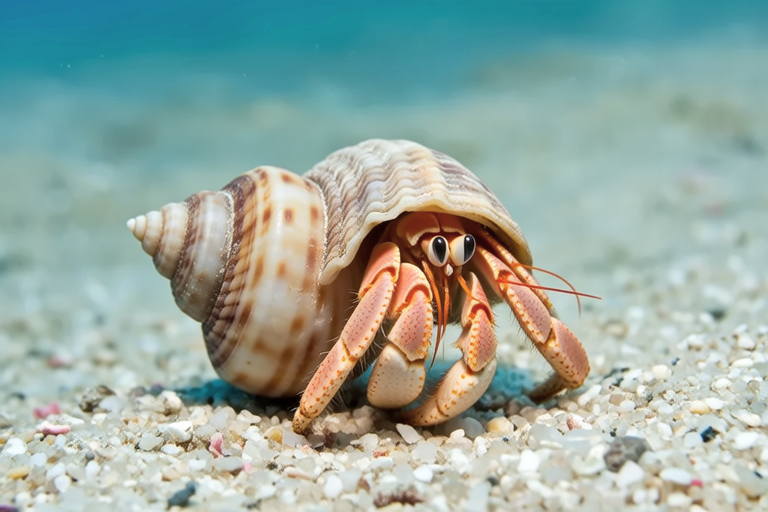
Hermit crabs, those fascinating little creatures, have a unique lifestyle that sets them apart from other crustaceans. Unlike their more robust cousins, hermit crabs lack a hard exoskeleton to protect themselves. Instead, they rely on second-hand shells, which they scavenge from the ocean floor. This dependency on shells for protection is central to their survival and growth. Hermit crabs must find a shell that fits perfectly, providing adequate space as they grow and ensuring their safety from predators. Their ever-changing needs for these homes lead to a fascinating cycle of exploration and adaptation.
The Process of Shell Changing
The act of changing shells is an essential part of a hermit crab’s life. When a hermit crab outgrows its current shell, it embarks on a quest to find a new one. This search can be perilous, as the crab is vulnerable without its protective covering. The process begins when the crab feels cramped in its old shell. It will carefully examine the shell, sometimes even crawling out partially to assess if it’s time to move on. Once satisfied, the crab will seek out a potential new home.
The transition involves the crab leaving its old shell and quickly moving into the new one, ensuring no predator takes advantage of its exposed state. The selection of a new shell is a critical decision influenced by several factors.
Factors Influencing Shell Choice
Several factors influence a hermit crab’s choice of a new shell. Size is paramount; the new shell must provide enough room for the crab to grow comfortably. Shape also plays a crucial role, as some hermit crabs prefer specific shapes that suit their body structure. Additionally, the condition of the shell is vital. Cracks or holes can compromise the crab’s safety, so they tend to avoid damaged shells. Finally, the availability of suitable shells in the environment impacts their choice. In areas where shells are scarce, hermit crabs may have to settle for less-than-ideal options, which can affect their health and safety.
Frequency of Shell Changes
Hermit crabs typically change shells every few months as they grow. However, this frequency can vary depending on factors such as the crab’s species, diet, and environmental conditions. Some hermit crabs may change shells more frequently if they experience rapid growth spurts or if they encounter a particularly desirable shell. Conversely, in environments where suitable shells are scarce, crabs might hold onto their current shell for longer periods, even if it becomes slightly uncomfortable.
Tips for Hermit Crab Owners
If you’re a hermit crab owner, ensuring a variety of suitable shells is crucial for your pet’s well-being. Start by offering a range of sizes and shapes to accommodate different stages of growth. Rotate the shells periodically to keep the environment fresh and exciting. You can also incorporate natural elements like sand or small rocks to mimic the crab’s natural habitat. Providing a diverse selection encourages healthy exploration and reduces stress.
It’s important to note that shells should be cleaned thoroughly before introducing them to your crab’s habitat. Baking soda can help neutralize any harmful substances, but always rinse thoroughly afterward. Additionally, avoid using bleach or harsh chemicals that could harm your crab.
The Environmental Impact of Shell Scarcity
The demand for shells has increased significantly due to human activities such as overfishing and coastal development. These practices have led to a decline in the availability of suitable shells for hermit crabs. As a result, many hermit crabs face challenges finding adequate protection, which can negatively impact their populations. Sustainable practices are necessary to address this issue.
One approach is to promote responsible fishing methods that minimize the removal of shells from the ocean floor. Additionally, recycling programs that collect discarded shells and reintroduce them to the ecosystem can help alleviate the shortage. Educating the public about the importance of preserving shell habitats is also crucial. By raising awareness, we can encourage conservation efforts and support the survival of hermit crabs.
Interesting Facts About Hermit Crabs
Hermit crabs exhibit intriguing behaviors that make them fascinating subjects of study. For instance, they are highly social creatures that often live in groups. They communicate through a series of chirps and vibrations, forming complex social structures within their communities. Another interesting fact is their ability to regenerate lost limbs. If a hermit crab loses a claw or leg, it can regrow the appendage over time.
In marine ecosystems, hermit crabs play a vital role. They contribute to nutrient cycling by scavenging dead organisms and breaking down organic matter. Additionally, their presence in coral reefs helps maintain biodiversity by interacting with other species. Understanding and protecting hermit crabs is essential for maintaining the health of our oceans.
Conclusion
Hermit crabs are remarkable creatures with a unique lifestyle centered around their dependence on shells. Their shell-changing adventures are not only a matter of survival but also a testament to their adaptability and resilience. By understanding the process and factors involved in shell changes, we can better appreciate these fascinating creatures and take steps to ensure their continued well-being. Whether you’re a beginner or an enthusiast, exploring the world of hermit crabs offers endless opportunities for learning and enjoyment.
