Betta Behavior Decoded: Understanding Your Finned Friend’s Actions
Welcome to the vibrant world of betta fish! These colorful and unique creatures have captivated the hearts of many pet enthusiasts. Known for their striking appearance and fascinating behaviors, bettas are more than just pretty faces. They are intelligent and social animals that thrive when given the right environment and care. Understanding your betta’s actions can deepen your bond and ensure they live a happy, healthy life.
Understanding Betta Fish
Betta fish, also known as Siamese fighting fish, are native to the tropical waters of Thailand and neighboring countries. Their natural habitat includes rice paddies, slow-moving streams, and shallow ponds. This background has shaped their behaviors, making them particularly sensitive to changes in their environment. Bettas are territorial and often display aggressive behaviors towards other males but can coexist peacefully with females or non-aggressive species.
Common Behaviors and Their Meanings
Flaring Gills
One of the most dramatic behaviors you might observe in your betta is gill flaring. When a betta flares its gills, it expands its opercula (the flap covering its gills) to appear larger and more intimidating. This action is typically a response to perceived threats, such as another male betta or even a reflection in the tank glass. Flaring is a way for the betta to assert dominance and defend its territory. While this behavior is natural, excessive flaring could indicate stress or discomfort, so it’s essential to monitor your betta’s environment.
Fin Displays
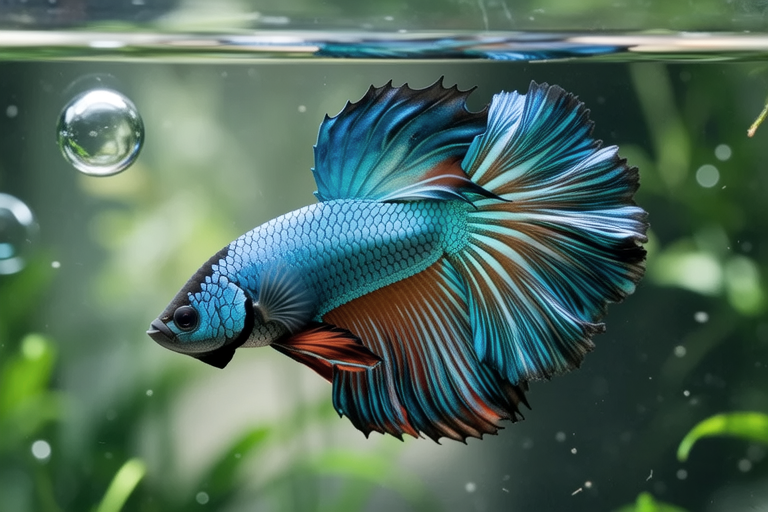
Bettas are famous for their beautiful fins, and they often use them to communicate. A fully spread-out, flowing fin is usually a sign of confidence and health. On the other hand, if your betta’s fins appear torn or frayed, it could be a sign of illness or bullying. Healthy fin maintenance is crucial for your betta’s well-being. Providing ample space and hiding spots can help reduce stress and promote healthier fin growth.
Swimming Patterns
The way your betta swims can also provide valuable insights into its mood and health. Active swimming is generally a good sign, indicating that your betta is comfortable and healthy. However, if you notice your betta swimming erratically or near the surface, it might be struggling with water quality issues, such as low oxygen levels. Regular water changes and monitoring water parameters are key to preventing such problems.
Interpreting Behaviors for Better Care
Observing your betta’s behaviors can help you understand its needs and improve its care. For instance, if your betta is frequently flaring at its reflection, consider moving the tank to a less reflective area or adding plants to create barriers between the fish and its image. If your betta seems lethargic, check the water temperature and quality. Bettas prefer warm water between 76°F and 82°F (24°C to 28°C). A consistent temperature range helps maintain your betta’s metabolism and overall health.
Feeding times can also reveal interesting behaviors. Bettas are carnivorous and enjoy small insects, but they can be selective eaters. If your betta refuses food, it might be stressed or unwell. Try offering different types of food to find what your betta prefers. Additionally, feeding at regular intervals can help establish a routine and reduce stress.
Maintaining a Healthy Environment
To support your betta’s natural behaviors, creating a suitable environment is paramount. A well-maintained tank provides both physical and psychological benefits. Start by ensuring the tank size is appropriate. While some sources suggest a minimum of one gallon per inch of fish, a larger tank allows for more space and reduces stress. Equip your tank with a filter to keep the water clean and a heater to maintain the ideal temperature.
Water quality is critical for your betta’s health. Regular water changes, ideally 25% weekly, help remove toxins and maintain stable water conditions. Use a water conditioner to neutralize harmful chemicals like chlorine and chloramine found in tap water. Test kits can assist in monitoring ammonia, nitrite, and nitrate levels, ensuring they remain within safe ranges.
Incorporating decorations and plants can enrich your betta’s environment. Floating plants mimic their natural habitat and provide hiding spots. Driftwood and caves offer additional shelter and stimulate exploration. Avoid overcrowding the tank with decorations, as this can restrict swimming space and increase stress.
Conclusion
Betta fish are captivating pets with complex behaviors and unique needs. By understanding and interpreting their actions, you can provide the best possible care and create a thriving environment. Remember, every betta is an individual with its own personality and preferences. Take the time to learn about your finned friend, and you’ll build a strong bond based on mutual respect and understanding. With proper care and attention, your betta will lead a long, healthy, and active life, bringing joy to your home for years to come.
