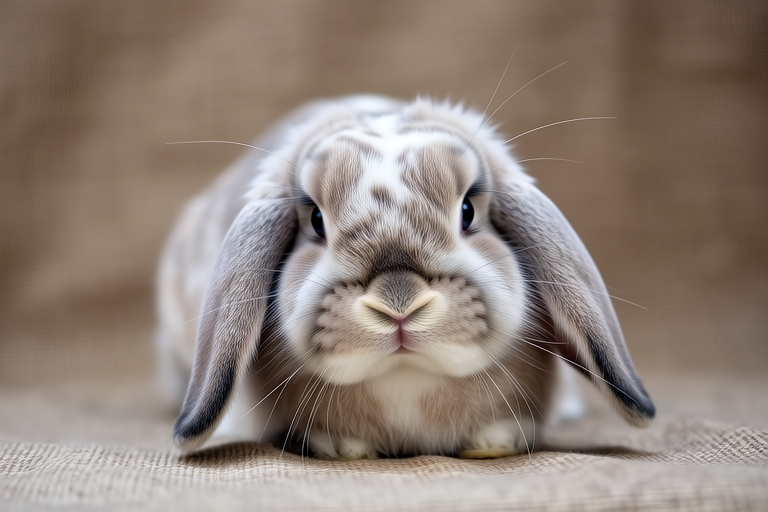
Lop Rabbits Unveiled: Caring for One of the Most Lovable Bunny Breeds
Welcome to the world of lop rabbits, one of the most beloved bunny breeds cherished by pet lovers everywhere. With their distinctive drooping ears and gentle demeanor, these rabbits have captured the hearts of many. Lop rabbits are known for their calm, affectionate nature, making them ideal companions for families, children, and individuals seeking a low-maintenance pet. In this article, we will explore the unique characteristics of lop rabbits, discuss various breeds, and provide essential information on their care, ensuring you can give your lop rabbit the best possible life.
Discovering Different Lop Rabbit Breeds
There are several lop rabbit breeds, each with its own distinct features. The most popular include the English Lop, French Lop, Holland Lop, and Mini Lop. Each breed has its unique size, temperament, and care requirements.
- English Lop: Known for their extremely long ears, these rabbits can weigh up to 14 pounds. They are gentle and docile but require more space due to their large size.
- French Lop: A robust breed, French Lops are known for their stocky build and short, dense fur. They are friendly and easygoing, weighing between 9 to 13 pounds.
- Holland Lop: Smaller than the other breeds, Holland Lops weigh around 4 pounds. Their compact size makes them perfect for smaller homes or apartments. They are playful and sociable, often bonding closely with their owners.
- Mini Lop: Similar to the Holland Lop, Mini Lops are slightly larger, weighing between 6 to 10 pounds. They are energetic and enjoy playing, making them excellent pets for active families.
Creating the Perfect Home for Your Lop Rabbit
Providing a comfortable living environment is crucial for the well-being of your lop rabbit. Housing should be spacious enough to allow movement and exploration. A hutch or cage with at least three times the length of the rabbit’s body in width and depth is recommended. Ensure the enclosure is secure, with wire mesh to prevent predators from entering. Place the housing in a quiet area away from direct sunlight and drafts.
Bedding is essential for keeping your lop rabbit clean and comfortable. Use soft, absorbent materials like hay, straw, or wood shavings. Avoid cedar and pine shavings, as they can cause respiratory issues. Change the bedding regularly to maintain hygiene.
Dietary Needs of Lop Rabbits
A balanced diet is vital for your lop rabbit’s health. The primary component of their diet should be high-quality hay, which aids digestion and provides necessary fiber. Offer fresh, clean water daily. Pellets formulated specifically for rabbits should be provided in limited quantities, as overfeeding can lead to obesity.
Fruits and vegetables can be given as occasional treats. Dark leafy greens like spinach, kale, and romaine lettuce are excellent choices. Introduce new foods gradually to avoid digestive upset. Always remove uneaten portions promptly to prevent spoilage.
Grooming and Maintenance
Lop rabbits require regular grooming to keep their coat healthy and free from mats. Brush their fur weekly, paying special attention to areas prone to tangling, such as behind the ears. During shedding season, increase grooming frequency to twice a week. Bathing is rarely necessary; if needed, use a mild shampoo specifically designed for rabbits and thoroughly rinse to avoid skin irritation.
Trimming nails and cleaning ears are also important aspects of grooming. Keep nails short to prevent discomfort and injury. Clean ears gently with a damp cloth to remove dirt and debris. Consult a veterinarian if you notice any signs of infection or excessive wax buildup.
Healthcare and Preventive Measures
Veterinary care is crucial for maintaining your lop rabbit’s health. Schedule routine check-ups and vaccinations to prevent common diseases. Spaying or neutering your rabbit can reduce the risk of certain cancers and behavioral issues.
Watch for signs of illness, such as lethargy, loss of appetite, runny nose, or diarrhea. Early detection and treatment are key to recovery. Maintain a clean living environment and provide proper nutrition to boost your rabbit’s immune system.
Training Tips for Lop Rabbits
Lop rabbits are intelligent and trainable, making them enjoyable pets. Positive reinforcement techniques, such as treats and praise, work best. Teach basic commands like coming when called and sitting on command. Encourage playtime with toys to stimulate mental and physical activity.
Provide plenty of opportunities for exercise and social interaction. Supervised outdoor time in a secure area allows your rabbit to explore and burn off excess energy. Rotate toys to keep them engaged and prevent boredom.
Selecting the Right Lop Rabbit for You
Choosing the right lop rabbit depends on your lifestyle and preferences. Consider factors such as space availability, family composition, and the amount of time you can dedicate to caring for your pet. Visit reputable breeders or shelters to meet potential companions. Spend time interacting with different rabbits to find one that matches your personality and needs.
Once you’ve chosen your lop rabbit, prepare their new home and gather necessary supplies. Familiarize yourself with their dietary and healthcare needs. Establish a routine that includes feeding, grooming, and playtime. With patience and love, you’ll create a strong bond with your new furry friend.
Ensuring a Happy, Healthy Life for Your Lop Rabbit
To ensure a happy, healthy life for your lop rabbit, provide consistent care and attention. Regular exercise, a balanced diet, and proper grooming contribute to their overall well-being. Monitor their behavior and health closely, addressing any concerns promptly. By following these guidelines, you’ll enjoy many years of companionship with your lovable lop rabbit.
