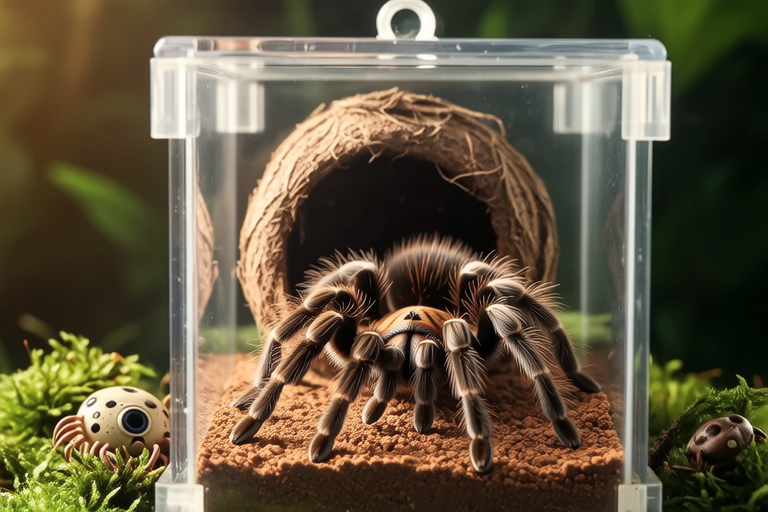
The Ultimate Chilean Rose Tarantula Habitat Setup Checklist
Chilean rose tarantulas, also known as Grammostola rosea, are popular pets among arachnid enthusiasts due to their docile nature and vibrant coloration. Providing them with an optimal habitat is crucial for their health and longevity. This comprehensive guide will walk you through everything you need to know about setting up the perfect home for your Chilean rose tarantula.
Habitat Size
The first step in creating a suitable habitat is determining the right size. A general rule of thumb is to provide at least five gallons of space per inch of tarantula. For a full-grown Chilean rose tarantula, which can reach lengths of up to six inches, a tank that is at least 18 inches long, 12 inches wide, and 12 inches high is recommended. This ensures adequate room for your tarantula to move around comfortably and maintain its natural behaviors.
Substrate Type and Depth
The substrate, or bedding material, plays a vital role in maintaining proper humidity levels and providing a comfortable environment for burrowing. Coconut fiber, peat moss, and vermiculite are excellent choices. These materials retain moisture well and allow for easy burrowing. The substrate should be at least four inches deep to give your tarantula ample space to create tunnels and hideouts.
Temperature and Humidity Requirements
Chilean rose tarantulas thrive in warm, slightly humid environments. Maintain temperatures between 75°F and 85°F (24°C to 29°C) during the day, with a slight drop at night. Use a thermometer placed inside the enclosure to monitor these conditions accurately. Humidity levels should range from 60% to 80%. To achieve this, mist the substrate lightly several times a week and ensure there’s a shallow water dish available for hydration.
Appropriate Hiding Spots
Providing hiding spots is essential for your tarantula’s mental and physical well-being. Natural cork bark pieces, half logs, and ceramic caves make great hiding spots. Place these items strategically within the enclosure so that your tarantula has multiple options for shelter. It’s important to note that the entrance to the hiding spot should be large enough for the tarantula to enter but small enough to prevent it from falling out.
Ventilation Needs
Proper ventilation is necessary to prevent stagnant air and promote healthy respiratory function. While tarantulas require some airflow, excessive ventilation can lead to dryness. Drill small holes in the lid of the enclosure or use a screen cover to allow for gentle air circulation. Ensure that the enclosure isn’t completely sealed, as this could cause condensation buildup.
Water Dish Setup
A shallow water dish should be placed within the enclosure to provide a source of hydration. The dish should be heavy enough to prevent tipping and made of non-porous material like glass or glazed ceramic. Clean the water dish regularly and refill it with fresh water every few days to prevent bacterial growth.
Feeding Area Considerations
Feeding your tarantula outside the enclosure is recommended to avoid contamination of the substrate. However, if you choose to feed within the enclosure, place food items away from the water dish and hiding spots to prevent spoilage or accidental ingestion. Remove uneaten prey after 24 hours to maintain hygiene.
Lighting Requirements
Chilean rose tarantulas do not require UVB lighting; however, providing a low-wattage red bulb or a night light can help you observe their nocturnal activities without disturbing them. Always follow the manufacturer’s guidelines for wattage and duration of use to avoid overheating the enclosure.
Decor for Environmental Enrichment
To stimulate your tarantula’s senses and encourage natural behaviors, include various decorations such as branches, artificial plants, and silk flowers. These items add visual interest and provide additional climbing opportunities. Be mindful of the arrangement to ensure that they don’t obstruct ventilation or access to the water dish.
Cleaning and Maintenance Schedule
Maintaining cleanliness is key to preventing illness and promoting overall health. Spot clean the enclosure daily by removing waste and uneaten food. Perform a thorough cleaning every two weeks, replacing the substrate entirely. Disinfect all surfaces with a reptile-safe cleaner before adding fresh substrate. Regularly check for signs of mold or mildew and address any issues promptly.
Safety Precautions for Handling
Handling your tarantula should be done infrequently and with care. Use soft latex gloves or tongs to gently lift your pet from the enclosure. Avoid squeezing or pinching, as this can cause stress or injury. Always support the tarantula’s body and legs when moving it to prevent falls or damage. If you’re unsure about handling, consult with an experienced keeper or veterinarian for guidance.
Common Mistakes to Avoid
- Overcrowding: Too many decorations or insufficient space can lead to stress and behavioral issues.
- Inadequate Ventilation: Poor airflow can result in respiratory problems and condensation.
- Incorrect Substrate: Using inappropriate materials can affect humidity levels and cause discomfort.
- Improper Feeding: Feeding within the enclosure without supervision can lead to contamination and uneaten prey.
- Lack of Observation: Failing to monitor your tarantula’s behavior and health can delay necessary interventions.
By following this checklist and adhering to best practices, you’ll be well-equipped to create a thriving environment for your Chilean rose tarantula. Remember that each tarantula is unique, so pay close attention to your pet’s specific needs and adjust the habitat accordingly. With proper care and attention, your Chilean rose tarantula will enjoy a long, healthy life in its new home.
