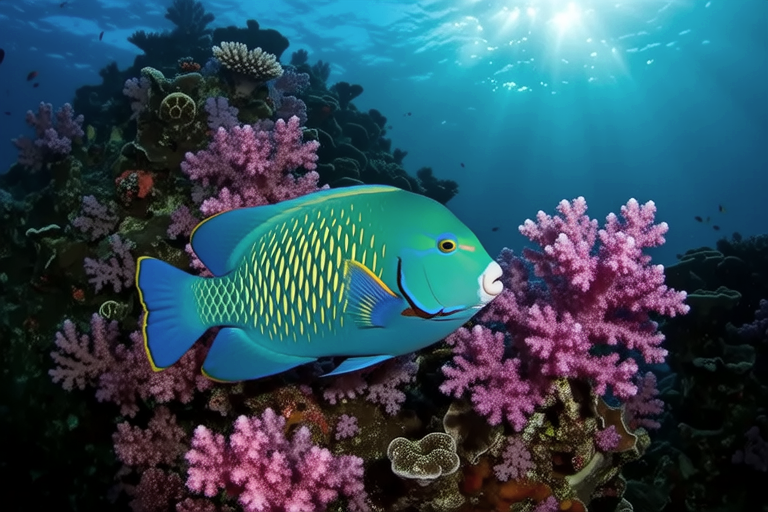
Parrot Fish Conservation: Why It’s Crucial for Marine Biodiversity
Introduction:
The world’s oceans are teeming with life, and among its most colorful and vital inhabitants are parrot fish. These vibrantly hued creatures, belonging to the family Scaridae, are found in tropical and subtropical waters around the globe. Parrot fish are known for their beak-like jaws and varied coloration, which can range from bright blues and greens to vibrant oranges and reds. Their unique appearance is matched by their crucial role in maintaining the health of coral reefs, one of the most biodiverse ecosystems on the planet.
The Role of Parrot Fish in Coral Reef Health:
Parrot fish play a pivotal role in the maintenance of coral reef ecosystems. They feed on algae that grow on coral surfaces, preventing it from overgrowing and smothering the coral polyps. This process, known as bioerosion, is essential for the reef’s health, as it helps maintain the delicate balance between algae and coral growth. Without this natural control, algae can take over the reef, leading to the death of corals and the loss of habitat for countless marine species.
Scientific studies have shown that parrot fish are key players in the recycling of nutrients within coral reefs. By consuming algae and excreting sand, they contribute to the formation of the beaches and islands that many coastal communities depend on. In fact, it is estimated that some species of parrot fish can produce up to 90% of the sand on certain Caribbean beaches. This not only supports marine biodiversity but also benefits human societies economically and culturally.
Current Threats Facing Parrot Fish Populations:
Despite their critical role in marine ecosystems, parrot fish populations are under significant threat. Overfishing, driven by high demand for their meat in markets and aquariums, is a major issue. The use of fishing methods such as dynamite and cyanide, which are illegal but still prevalent in some regions, further exacerbates the problem by causing extensive damage to coral reefs and the surrounding environment.
In addition to direct exploitation, climate change poses another significant challenge. Rising sea temperatures lead to coral bleaching events, where corals expel the symbiotic algae living in their tissues, turning white and often dying. As corals die off, the habitats of parrot fish and other marine life diminish, reducing food sources and shelter. Pollution, including plastic waste and chemical runoff from land, also contributes to the degradation of marine environments.
The Ecological Impact of Losing Parrot Fish Populations:
The potential consequences of losing parrot fish populations are profound. Studies have demonstrated that reefs without sufficient numbers of parrot fish experience faster rates of algal overgrowth and slower recovery from disturbances like storms or bleaching events. This decline in reef health can lead to a cascade effect throughout the ecosystem, affecting not just the marine life that depends on coral reefs, but also the millions of people who rely on them for food, income, and protection from coastal erosion.
A study published in the journal Science highlighted that reefs dominated by algae instead of corals support fewer fish species and lower overall biomass. This shift towards algal dominance, facilitated by the absence of effective grazers like parrot fish, undermines the resilience of these ecosystems. Consequently, the loss of parrot fish could result in less productive fisheries, diminished tourism opportunities, and increased vulnerability to storm surges and flooding.
Actionable Steps for Local Communities:
To combat the decline of parrot fish populations, local communities must take proactive measures. Implementing sustainable fishing practices is crucial. This includes establishing no-take zones where fishing is prohibited, setting catch limits, and promoting the use of selective fishing gear that minimizes bycatch. Community-based management programs, involving local fishermen and stakeholders, can ensure compliance with regulations and foster a sense of ownership and responsibility.
Educating the public about the importance of parrot fish and the threats they face is equally important. Schools and community centers can organize workshops and seminars to raise awareness. Additionally, promoting eco-friendly tourism practices, such as responsible snorkeling and diving, can help reduce human impacts on coral reefs.
Actionable Steps for Global Efforts:
On a broader scale, international cooperation is necessary to address the global threats facing parrot fish. Governments and organizations should work together to establish and enforce marine protected areas (MPAs) that safeguard critical habitats. Funding research into sustainable aquaculture techniques for parrot fish farming can provide an alternative source of supply for the aquarium trade and reduce pressure on wild populations.
Addressing climate change is paramount. Reducing greenhouse gas emissions through policies and initiatives aimed at transitioning to renewable energy sources will help mitigate rising sea temperatures and ocean acidification. Supporting reforestation projects and improving wastewater treatment facilities can also decrease pollution levels and improve water quality in coastal areas.
The Urgency of Conservation Measures:
The need for immediate and sustained conservation efforts cannot be overstated. The health of our oceans is intertwined with the well-being of all life on Earth, including humans. Protecting parrot fish and the ecosystems they inhabit is not just about preserving beauty and biodiversity; it is about ensuring the survival of entire communities and economies that depend on healthy marine environments.
By taking action now, we can safeguard the future of coral reefs and the countless species that call them home. Let us embrace the responsibility of being stewards of our planet’s marine resources and work collectively to conserve parrot fish and the invaluable services they provide. Only through concerted global effort can we hope to restore and maintain the balance that sustains life in our oceans.
