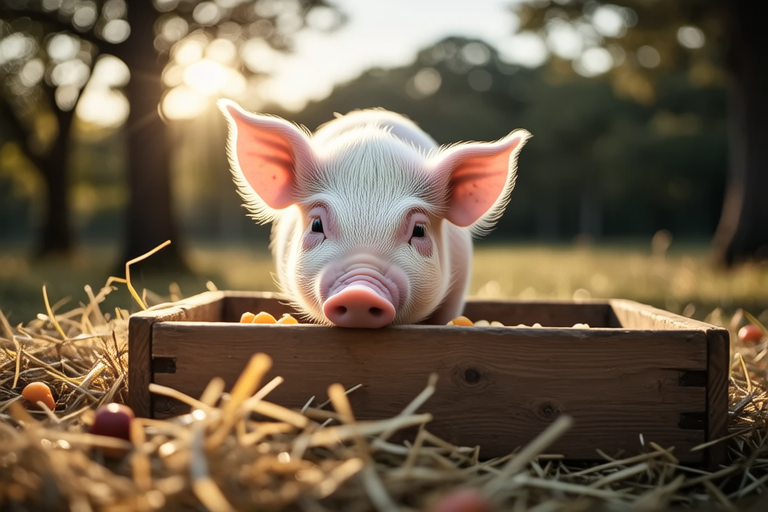
The Secret Life of Mini Pigs: Unveiling Their Unique Behaviors
Welcome to the fascinating world of mini pigs! These delightful creatures are more than just pets; they’re intelligent, social, and adaptable animals that have captured the hearts of many pet owners. In this article, we’ll delve into the secret life of mini pigs, exploring their social structures, communication methods, dietary habits, intelligence levels, and their ability to thrive in various environments. We’ll also dispel some common myths and offer valuable insights on how to best care for and interact with your mini pig.
Social Structures
Mini pigs are highly social animals that thrive in the company of others. In the wild, they live in groups called sounders, which consist of several sows and their offspring. Domesticated mini pigs often mimic this behavior, forming strong bonds with their human families or other animals in the household. They enjoy being part of a pack and can become distressed if left alone for long periods. It’s important to provide them with companionship, whether it’s through interaction with humans or other animals, to ensure their emotional well-being.
Communication Methods
Mini pigs communicate through a variety of vocalizations and body language. They use grunts, squeals, and oinks to express themselves. A soft grunt might indicate contentment, while a sharp squeal could signal pain or distress. Body language is equally important; a relaxed pig will have its ears forward and tail wagging, whereas a nervous pig may tuck its tail between its legs. Understanding these cues can help you better interpret your pig’s needs and emotions.
Dietary Habits
Misconceptions about mini pigs’ diets are common, but the truth is that they are omnivores with specific nutritional requirements. A balanced diet for mini pigs includes a combination of commercial pig feed, fruits, vegetables, and occasional treats. It’s crucial to avoid feeding them too much fruit or sugary foods, as these can lead to health issues such as obesity and diabetes. Providing a varied diet rich in vitamins and minerals ensures that your mini pig remains healthy and active.
Intelligence Levels
Mini pigs are incredibly smart animals, capable of learning tricks, following commands, and even using simple tools. Their intelligence rivals that of dogs, making them excellent companions for those who enjoy training and teaching. Engaging your mini pig in regular mental stimulation activities, like puzzle toys or obedience training, can help keep them mentally sharp and prevent boredom-related behaviors. Patience and positive reinforcement are key when training your mini pig, as they respond best to gentle encouragement and rewards.
Adaptability to Different Environments
Contrary to popular belief, mini pigs can adapt to a wide range of environments. While they prefer warm climates, they can also thrive in cooler regions if provided with proper shelter. It’s essential to create a comfortable living space for your mini pig, complete with bedding, shade, and protection from the elements. Indoor mini pigs benefit from designated areas where they can relax and feel secure. Outdoor mini pigs require access to a safe, enclosed area with adequate space for exercise and exploration.
Dispelling Common Myths
Several myths surround mini pigs, leading to misunderstandings about their care and behavior. One common misconception is that all mini pigs remain small throughout their lives. In reality, the size of a mini pig depends on its breed and genetics. Another myth is that mini pigs are hypoallergenic, which is not true; they can trigger allergies in sensitive individuals. Lastly, the idea that mini pigs don’t need much exercise is false; regular physical activity is vital for maintaining their overall health and preventing obesity.
Caring for Your Mini Pig
Proper care involves meeting your mini pig’s physical, emotional, and nutritional needs. Regular veterinary check-ups, vaccinations, and parasite control are essential for keeping your pig healthy. Grooming is another important aspect of care, especially during shedding seasons. Trimming nails, cleaning ears, and brushing fur are all part of routine grooming. Additionally, providing mental and physical stimulation through playtime, training sessions, and environmental enrichment helps maintain your mini pig’s well-being.
Interacting with Your Mini Pig
Building a strong bond with your mini pig requires patience, consistency, and respect for their boundaries. Spend quality time with your pig daily, engaging in activities they enjoy, such as playing fetch or going for walks. Positive reinforcement techniques, like offering treats and praise, encourage good behavior and strengthen the connection between you and your pet. Remember that every mini pig has unique preferences and personalities, so it’s important to observe and adapt your interactions accordingly.
Conclusion
The secret life of mini pigs reveals a world full of surprises, from their complex social structures and clever communication methods to their diverse dietary habits and remarkable intelligence. By understanding these aspects, you can provide the best possible care for your mini pig and ensure a happy, healthy relationship. Whether you’re a first-time owner or an experienced pig lover, embracing the uniqueness of mini pigs will enrich your life in countless ways. Happy pig parenting!
