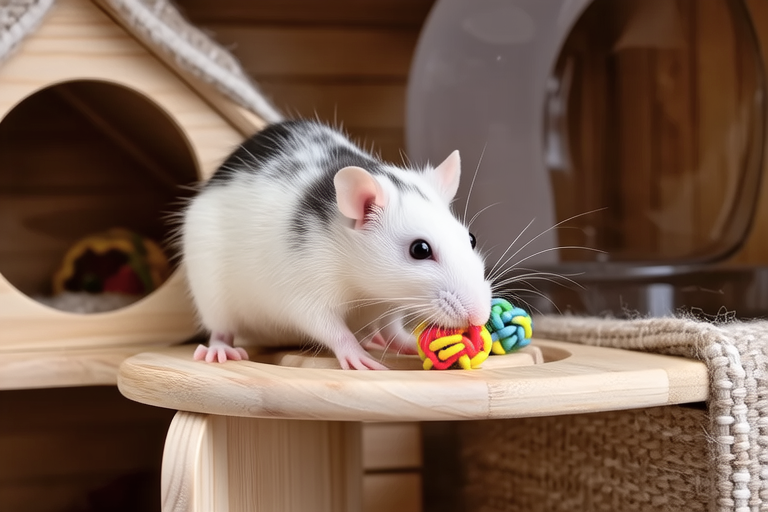
How to Create the Perfect Habitat for Your Curious and Clever Fancy Rat
Fancy rats, with their inquisitive nature and high intelligence, make wonderful pets. However, creating the perfect habitat for your furry friend requires careful thought and planning. This guide will walk you through selecting the right cage size and type, choosing bedding materials, providing toys and accessories for mental stimulation, recommending a balanced diet, suggesting safe and stimulating exercise options, and offering tips for maintaining hygiene within the habitat. By understanding your rat’s natural behaviors and intelligence, you can design an environment that keeps them happy and healthy.
Selecting the Right Cage Size and Type
The first step in creating the perfect habitat for your fancy rat is choosing the right cage. Rats are social creatures that thrive in spacious environments, so it’s crucial to provide ample room for them to move around, play, and explore. A minimum cage size of 24 inches by 18 inches by 12 inches (61 cm by 46 cm by 30 cm) per rat is recommended, but larger cages are always better. If you have multiple rats, consider getting a bigger cage or connecting two smaller ones with tunnels.
When selecting a cage, look for one with sturdy bars spaced no more than half an inch (1.3 cm) apart to prevent escape and injury. Wire cages are ideal because they allow for proper ventilation, which is essential for your rat’s respiratory health. Avoid glass or plastic aquariums unless you’re prepared to clean them frequently and provide additional ventilation. Ensure the cage has a solid bottom to prevent your rat from falling through the bars and injuring themselves.
Essential Bedding Materials
Choosing the right bedding material is vital for your rat’s comfort and health. The bedding should be absorbent, dust-free, and safe for your pet to chew on. Avoid cedar and pine shavings as they contain aromatic oils that can irritate your rat’s respiratory system. Instead, opt for paper-based bedding like Carefresh or recycled newspaper products like Yesterday’s News. These materials are soft, absorbent, and safe for your rat to interact with.
For added comfort, you can layer the bedding with fleece or cotton towels. Ensure any fabric you use is free from loose threads or small pieces that could cause choking hazards. Change the bedding regularly to maintain cleanliness and reduce odors. Aim to clean the entire cage at least once a week and spot-clean daily to keep your rat’s living space fresh and inviting.
Toys and Accessories for Mental Stimulation
Rats are highly intelligent animals that require mental stimulation to stay happy and healthy. Providing a variety of toys and accessories will help keep your rat engaged and prevent boredom. Some popular choices include:
- Exercise wheels: Choose a solid-surface wheel with a diameter of at least 8 inches (20 cm) to prevent injuries to your rat’s back legs. Look for models with smooth bearings to ensure quiet operation and easy movement.
- Tunnels and platforms: These items allow your rat to climb, crawl, and explore, mimicking their natural behavior in the wild. You can purchase pre-made tunnels or create your own using cardboard tubes and boxes.
- Puzzle feeders: These toys challenge your rat to solve problems to access their food, promoting cognitive development and preventing obesity. Fill the feeder with treats like sunflower seeds or small pieces of fruit.
- Chew toys: Rats need to chew to keep their teeth trimmed and their minds engaged. Offer safe, untreated wood blocks or cardboard tubes for this purpose.
Rotate toys every few days to keep your rat interested and stimulated. Be sure to supervise your rat during playtime to ensure safety and remove any damaged or unsafe toys promptly.
Appropriate Diet Recommendations
A balanced diet is essential for maintaining your rat’s health and well-being. A good starting point is a high-quality commercial rat food, which provides the necessary nutrients in a convenient form. Look for pellets that contain a mix of grains, seeds, and vegetables. Avoid mixes that include sunflower seeds, peanuts, or other fatty snacks, as these can lead to obesity and other health issues.
In addition to commercial food, offer a variety of fresh fruits and vegetables daily. Some good choices include carrots, apples, bananas, and leafy greens. Limit the amount of sugary fruits like grapes and strawberries to prevent tooth decay and obesity. Always introduce new foods gradually to avoid digestive upset.
Provide fresh water daily in a water bottle with a sipper tube. Check the bottle regularly to ensure it’s functioning correctly and replace the water if it becomes dirty or contaminated. Clean the bottle and tube thoroughly at least once a week to prevent bacterial growth.
Safe and Stimulating Exercise Options
Regular exercise is crucial for your rat’s physical and mental health. In addition to providing toys and accessories within the cage, consider setting up a supervised play area outside the cage. A playpen or a large, flat surface covered with paper towels or fleece provides a safe environment for your rat to explore and exercise.
Supervise your rat during playtime to ensure their safety and prevent them from chewing on dangerous objects. Rotate toys and activities to keep things interesting and challenging. You can also encourage exercise by playing hide-and-seek with your rat or teaching them simple tricks.
Remember, while exercise is important, it’s equally important to respect your rat’s limits. Allow them to rest when they show signs of fatigue or disinterest. Over-exercising can lead to exhaustion and stress, which may negatively impact their health.
Tips for Maintaining Hygiene Within the Habitat
Maintaining a clean and hygienic environment is key to keeping your rat healthy and happy. Regular cleaning helps prevent the buildup of harmful bacteria and reduces the risk of illness. Here are some tips for maintaining hygiene within your rat’s habitat:
- Spot-clean daily: Remove soiled bedding, uneaten food, and waste from the cage each day to prevent odors and bacterial growth.
- Deep-clean weekly: Remove all bedding and accessories from the cage, wash the cage and accessories with warm, soapy water, and rinse thoroughly. Dry everything completely before replacing the bedding and accessories.
- Disinfect periodically: Use a pet-safe disinfectant to clean the cage and accessories every few weeks. Follow the manufacturer’s instructions carefully and ensure the cage is completely dry before reintroducing your rat.
- Wash hands: Always wash your hands before and after handling your rat or cleaning their cage to prevent the spread of germs.
By following these guidelines, you can create a clean and healthy environment for your rat that promotes their overall well-being.
Conclusion
Creating the perfect habitat for your curious and clever fancy rat involves careful consideration of their needs and behaviors. By selecting the right cage size and type, choosing appropriate bedding materials, providing toys and accessories for mental stimulation, recommending a balanced diet, suggesting safe and stimulating exercise options, and offering tips for maintaining hygiene within the habitat, you can ensure your rat lives a long, happy, and healthy life. Remember, the key to a great habitat is to think about what would make your rat feel most comfortable and engaged. With a little effort and creativity, you can design a home that your rat will love!
