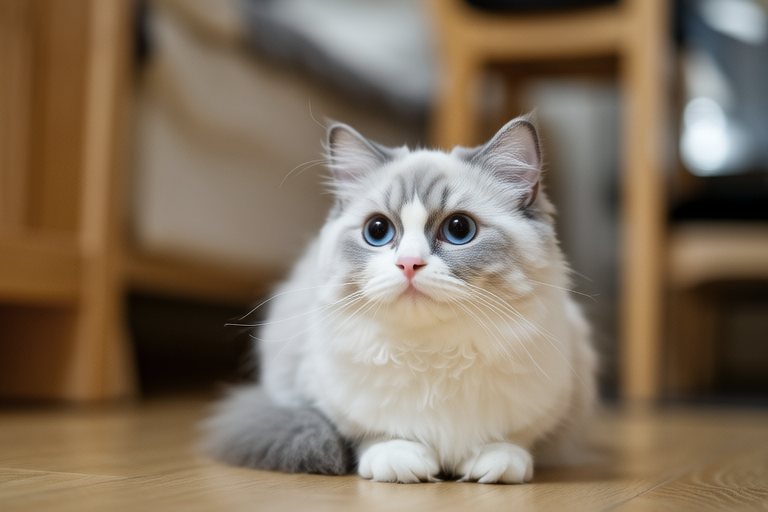
Meet the Fluffy Fuzzball: Discovering Life with a Chinchilla
Welcome to the enchanting world of chinchillas! These small, furry creatures are often referred to as fluffy fuzzballs, and for good reason. Known for their incredibly soft fur, chinchillas have captured the hearts of many pet lovers. Their luxurious coats make them stand out among other small animals, and their playful, curious nature makes them delightful companions. In this article, we will explore the origins, ideal living conditions, dietary needs, and typical behaviors of chinchillas. We’ll also provide tips on handling and caring for these charming creatures, helping you navigate the joys and responsibilities of owning a chinchilla.
The Origins of Chinchillas
Chinchillas originate from the Andes Mountains in South America, where they live in rocky, arid environments. They are native to Chile, Bolivia, Peru, and Argentina. Historically, chinchillas were hunted extensively for their dense, soft fur, which made them highly sought after. However, due to over-hunting, chinchillas became endangered, leading to strict conservation measures. Today, most chinchillas found as pets are bred in captivity, ensuring their safety and preventing further depletion of wild populations.
Ideal Living Conditions
Creating the perfect environment for your chinchilla is crucial to their well-being. Chinchillas thrive in cooler temperatures, ideally between 60-70°F (15-21°C). Humidity levels should be kept low, as high humidity can lead to skin issues and fungal infections. A spacious cage is essential; it should be large enough to allow your chinchilla to jump and play comfortably. Multi-level cages with platforms and tunnels are particularly popular among chinchilla owners. Additionally, ensure the cage has adequate ventilation and is placed away from direct sunlight and drafts.
Dietary Needs
Chinchillas are herbivores and require a balanced diet to maintain their health. Their primary food source should be high-quality commercial chinchilla pellets, which provide the necessary nutrients. Fresh timothy hay should be available at all times, as it aids digestion and provides fiber. Occasional treats like raisins, oats, and small pieces of apple or carrot can be offered but should be given sparingly to avoid obesity. It’s important to note that chinchillas have sensitive digestive systems, so any changes to their diet should be introduced gradually.
Typical Behaviors
Chinchillas are social animals and enjoy interaction with their owners. They are nocturnal, meaning they are most active during the evening and night. During the day, they may sleep or rest quietly in their nest boxes. Chinchillas are also very clean animals and spend considerable time grooming themselves and each other. They use dust baths to keep their fur clean and healthy, rolling around in fine volcanic ash or chinchilla dust for up to 15 minutes at a time. This behavior should be encouraged by providing a shallow dish of dust in their enclosure.
Handling and Care Tips
Handling your chinchilla requires gentleness and patience. Always support their entire body when picking them up, as they are delicate and can easily hurt themselves if dropped. Begin by allowing them to get used to your scent by placing your hand in their cage. Once they feel comfortable, gently scoop them up, supporting their hindquarters. Avoid holding them for extended periods, as they prefer short, frequent interactions.
Common challenges new owners face include bonding with their chinchilla and understanding their vocalizations. Chinchillas can be shy at first, but with consistent, gentle handling, they will become more trusting. They communicate through various sounds, including chirps, squeaks, and purrs. Learning to interpret these sounds can help you understand your chinchilla’s moods and needs.
Personal Insights and Stories
One of the joys of owning a chinchilla is watching them play and interact with their environment. My chinchilla, named Fluffy, loves to explore new toys and tunnels in her cage. She has a particular favorite tunnel where she likes to hide and then pop out unexpectedly, much to my delight. Her curiosity and playful nature never cease to amaze me.
However, owning a chinchilla also comes with responsibilities. Ensuring her cage is clean and providing fresh food and water daily is essential. Regular health checks, including monitoring their teeth and fur condition, are vital to prevent any potential issues. I’ve learned that being attentive and proactive in addressing any concerns early on can make a significant difference in their overall health.
In conclusion, chinchillas are unique, adorable pets that bring joy and companionship to those who care for them. With the right living conditions, diet, and care, they can thrive and become cherished members of your family. Whether you’re a first-time owner or an experienced chinchilla enthusiast, the bond formed with these fluffy fuzzballs is truly special. Embrace the adventure of discovering life with a chinchilla, and prepare to be charmed by their playful, inquisitive nature.
