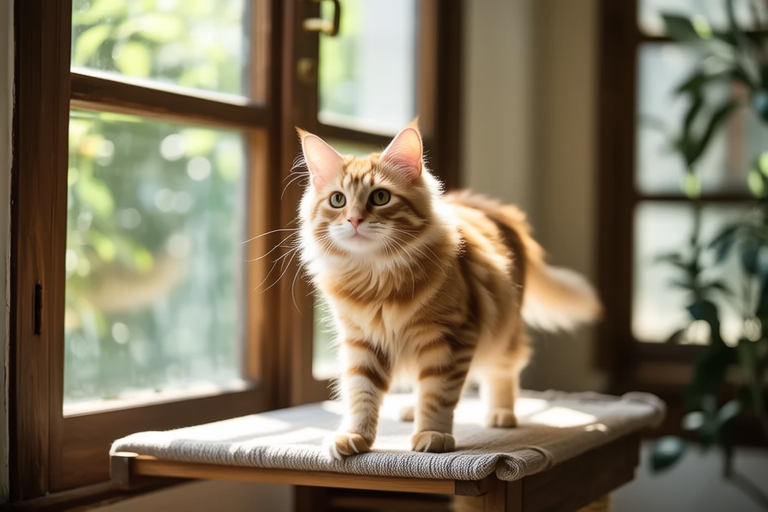
How Adopting an Orange Cat Can Change Your Life!
Introduction
Welcome to a delightful exploration of the world of orange cats! These charming felines, often referred to as ginger or marmalade cats, have captured the hearts of many with their distinctive appearance and unique personalities. This article will guide you through the joys of adopting an orange cat, offering insights into their behavior, health benefits, and the emotional support they provide. We’ll also address common misconceptions, share personal stories from adopters, and provide practical advice for integrating your new companion into your home.
The Unique Personalities of Orange Cats
Orange cats are known for their vibrant coats, but it’s their distinct personalities that truly set them apart. Many people believe there’s a correlation between coat color and temperament, and while this is a myth, orange cats often exhibit certain traits that make them stand out. They are frequently described as friendly, sociable, and affectionate. Scientific studies suggest that these cats tend to be more outgoing and playful compared to other breeds. Their curiosity and zest for life can bring endless entertainment to your household.
One of the most endearing qualities of orange cats is their ability to form strong bonds with their human companions. They are often seen as the “lap cats” of the feline world, seeking comfort and warmth from their owners. Their loyalty and affectionate nature make them excellent companions for individuals and families alike.
Health Benefits of Owning an Orange Cat
Besides providing companionship, owning an orange cat can have numerous health benefits for their owners. Studies have shown that petting a cat can lower blood pressure and reduce stress levels. The calming presence of these felines can help alleviate anxiety and promote better mental health. Additionally, caring for a pet encourages regular physical activity, which is beneficial for maintaining overall well-being.
Orange cats are generally healthy and robust, making them ideal pets for those looking for a low-maintenance companion. However, like all animals, they require proper care and attention to stay healthy. Regular veterinary check-ups, a balanced diet, and plenty of exercise are essential for keeping your orange cat in top shape.
Common Misconceptions About Orange Cats
Despite their popularity, orange cats are often subject to several misconceptions. One common belief is that all orange cats are male. While males are more likely to have orange fur, females can also sport this striking color. Another misconception is that orange cats are more aggressive than other breeds. In reality, their temperament depends on individual personality rather than coat color.
It’s important to dispel these myths and appreciate each cat for its unique characteristics. By understanding and embracing the true nature of orange cats, we can foster a more inclusive and accepting environment for all felines.
Training Tips for Your New Orange Cat
Integrating a new cat into your home requires patience and consistency. Start by creating a safe space for your orange cat, complete with a comfortable bed, litter box, and toys. Gradually introduce them to other members of your household, ensuring they feel secure and comfortable in their new surroundings.
Positive reinforcement is key when training your orange cat. Reward good behavior with treats and praise, and avoid punishment for mistakes. Encourage playtime to stimulate their minds and bodies, helping to prevent behavioral issues. With time and effort, you’ll establish a strong bond with your new feline friend.
Personal Stories from Adopters
Let’s hear from some individuals who have adopted orange cats and experienced the joy and companionship they offer. Sarah, a single mother, shares her story: “I adopted my orange cat, Whiskers, from a local shelter two years ago. He has brought so much happiness and comfort to our family. His playful nature keeps my children entertained, and his affectionate demeanor brightens my day.”
John, a retiree, adds, “After losing my wife, I felt lost and lonely. My orange cat, Patch, has been my constant companion. His gentle purring and loving presence have helped me cope with grief and find peace.” These heartwarming stories illustrate the profound impact orange cats can have on our lives.
Cat Behavior Insights
To better understand and connect with your orange cat, it’s helpful to familiarize yourself with basic cat behavior. Cats are territorial creatures, so providing multiple scratching posts and hiding spots can help them feel secure. They are also highly sensitive to changes in their environment, so introducing new elements gradually is crucial.
Understanding your cat’s body language is essential for building a strong relationship. Tail position, ear placement, and vocalizations can all convey different emotions. By learning to read these signals, you can respond appropriately and ensure your cat feels understood and cared for.
The Emotional Support Orange Cats Provide
Orange cats are not just companions; they are sources of emotional support. Their comforting presence can help alleviate feelings of loneliness and isolation. Many people find solace in the simple act of petting their cat, feeling a sense of calm and peace wash over them. For those struggling with mental health challenges, the unconditional love and acceptance offered by their orange cat can be invaluable.
Research has shown that interacting with pets can increase levels of oxytocin, often referred to as the “love hormone.” This hormone plays a vital role in bonding and reducing stress, making orange cats ideal companions for individuals seeking emotional support.
Practical Advice for Integrating Your New Orange Cat
Bringing a new cat into your home requires careful planning and preparation. First, ensure your home is cat-friendly by removing any potential hazards, such as toxic plants or small objects that could be swallowed. Provide a variety of toys and scratching posts to keep your cat entertained and engaged.
Establish a routine for feeding, playtime, and grooming. Consistency helps your orange cat feel secure and comfortable in their new environment. Be patient and give your cat time to adjust to their new surroundings. With time and effort, you’ll create a harmonious living situation for both you and your new feline friend.
The Positive Impact of Adopting From Shelters or Rescue Organizations
Adopting an orange cat from a shelter or rescue organization not only provides a loving home for a deserving animal but also supports the mission of these organizations. Shelters and rescues work tirelessly to find homes for abandoned and stray cats, ensuring they receive the care and attention they deserve.
By choosing to adopt, you’re making a positive difference in the life of a cat and potentially saving another from homelessness. Many shelters offer resources and support to help new pet owners successfully integrate their new feline friends into their homes. Consider adopting from a shelter or rescue organization to experience the joy of welcoming an orange cat into your life.
Conclusion
Adopting an orange cat can be a transformative experience, bringing joy, companionship, and emotional support into your life. Understanding their unique personalities, health benefits, and the importance of proper care and training will help you build a strong bond with your new feline friend. By dispelling common misconceptions and integrating your orange cat into your home thoughtfully, you’ll create a loving and supportive environment for both you and your pet.
Remember, adopting from shelters or rescue organizations not only provides a loving home for a deserving animal but also supports the mission of these organizations. Embrace the opportunity to welcome an orange cat into your life and experience the positive impact they can have on your well-being.
