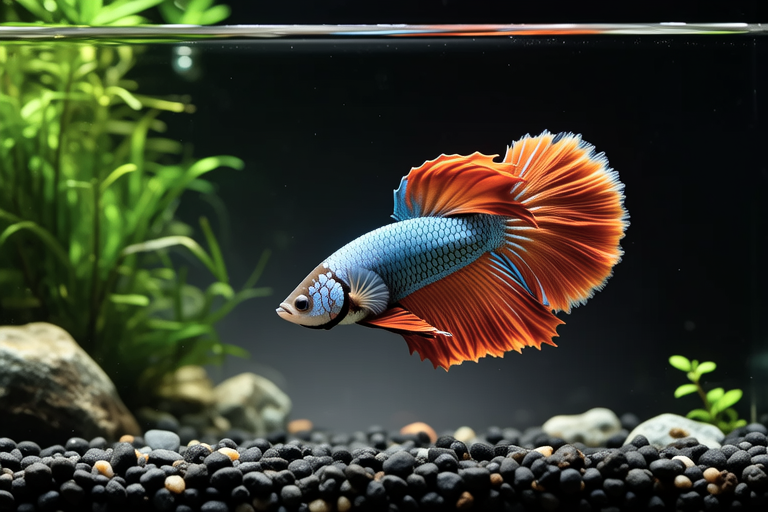
How to Create a Perfect Habitat for Your Betta
Creating the perfect habitat for your betta fish is crucial for its health and well-being. Bettas, also known as Siamese fighting fish, are colorful and vibrant creatures that can thrive in the right environment. This comprehensive guide will walk you through the essential steps to set up an ideal living space for your betta, covering everything from tank size to feeding habits.
Choosing the Right Tank Size
The first step in creating a perfect habitat for your betta is selecting the appropriate tank size. Many people mistakenly believe that bettas can live happily in small bowls or vases, but this is far from the truth. Bettas require at least two gallons of water to swim freely and maintain their health. A larger tank, such as five gallons, is even better as it provides more swimming space and helps in maintaining stable water conditions.
Adequate space allows the betta to exercise and reduces stress, which is vital for their overall health. Ensure that the tank has a secure lid to prevent the fish from jumping out, as bettas are known for their acrobatic abilities.
Appropriate Water Parameters
Temperature
Maintaining the correct temperature is critical for your betta’s health. The ideal water temperature for bettas ranges between 76°F and 82°F (24°C to 28°C). Consistent temperatures help avoid stress and illness. Use a reliable aquarium heater to keep the water within this range, and invest in a thermometer to monitor the temperature regularly.
pH Level
Bettas prefer slightly acidic water with a pH level between 6.5 and 7.2. However, they can tolerate a broader range of pH levels. It’s important to test the water frequently using a pH testing kit to ensure it stays within the recommended range. If the pH level fluctuates significantly, it can cause stress and lead to health issues for your betta.
Necessary Filtration Systems
Filtration is essential for maintaining clean and healthy water in your betta’s habitat. Choose a filter that is appropriate for the tank size and does not create strong currents, as bettas prefer calm waters. Filters help remove waste, excess food, and other debris from the water, preventing the buildup of harmful substances. Additionally, filters promote oxygen circulation, ensuring that your betta has access to fresh air.
Regular maintenance of the filter is crucial. Clean the filter media every few weeks and replace it when necessary to prevent clogging and maintain optimal water quality.
Suitable Decorations and Hiding Spots
Decorations not only enhance the aesthetic appeal of your betta’s habitat but also provide hiding spots that reduce stress. Include items like caves, castles, and tunnels that offer shelter for your betta. These hiding spots are especially important if you plan to introduce other fish into the tank later. Remember to choose decorations that have smooth edges to avoid injuring your betta.
Plants can also serve as hiding spots and add natural beauty to the tank. They provide a sense of security for your betta and help maintain water quality by absorbing excess nutrients. However, avoid plastic plants with sharp edges or rough surfaces that could harm your betta.
Beneficial Plants
Incorporating live or artificial plants into your betta’s habitat offers numerous benefits. Live plants improve water quality by absorbing nitrates and carbon dioxide while releasing oxygen. They also provide hiding spots and stimulate natural behaviors in your betta. Some popular live plant options include java moss, anubias, and cryptocoryne.
If you prefer artificial plants, opt for high-quality options that mimic the appearance of real plants. Ensure they are free from harmful chemicals and have soft, rounded edges to prevent injury to your betta.
Proper Lighting
Lighting plays a significant role in enhancing the visual appeal of your betta’s habitat and promoting healthy growth. Bettas benefit from 8 to 12 hours of light per day. Use a timer to automate the lighting schedule, ensuring consistency. Avoid excessively bright lights, as they can cause stress. LED lights are a popular choice for aquariums due to their energy efficiency and ability to produce a wide range of colors.
Some betta owners enjoy adding mood lighting or changing the color of the lights periodically to create a dynamic and stimulating environment for their fish. However, always ensure that the lighting remains within the recommended intensity and duration to prevent stress and health issues.
Feeding Habits
Providing a balanced diet is essential for maintaining your betta’s health and vitality. Feed your betta a variety of foods, including high-quality flake food, pellets, and frozen or freeze-dried treats such as bloodworms and brine shrimp. Avoid overfeeding, as excess food can deteriorate water quality. Feed your betta twice daily, offering only what they can consume within a couple of minutes.
Varying the diet ensures that your betta receives all the necessary nutrients for optimal health. Additionally, consider offering occasional treats such as blanched vegetables or specialized betta food designed to support their unique dietary needs.
Maintaining Water Quality
Water quality is paramount for your betta’s health. Regularly test the water for ammonia, nitrite, and nitrate levels using a water testing kit. Ammonia and nitrite should be undetectable, while nitrate levels should remain below 20 ppm. Perform partial water changes of about 20% weekly to maintain water quality. During water changes, use a gravel vacuum to remove debris from the substrate.
To prevent the introduction of harmful bacteria or parasites, treat tap water with a dechlorinator before adding it to the tank. This removes chlorine and chloramines, which can be toxic to your betta. Additionally, ensure that any new decorations or plants are thoroughly cleaned and treated before introducing them to the tank.
Ensuring a Stress-Free Habitat
Minimizing stress in your betta’s habitat is crucial for their well-being. Avoid sudden changes in water temperature, pH level, or lighting. Keep the tank in a quiet area away from direct sunlight and loud noises. Introduce new fish gradually and carefully to prevent aggressive behavior.
Provide plenty of hiding spots and ensure that the tank is spacious enough for your betta to swim freely. Regularly observe your betta’s behavior and appearance, and address any signs of distress or illness promptly. By maintaining a calm and stable environment, you can ensure that your betta thrives in its habitat.
By following these guidelines, you can create a perfect habitat for your betta, ensuring that they live a long, healthy, and happy life. Remember that each betta is unique, so pay attention to their individual needs and adjust the habitat accordingly. With proper care and attention, your betta will become a cherished member of your family.
