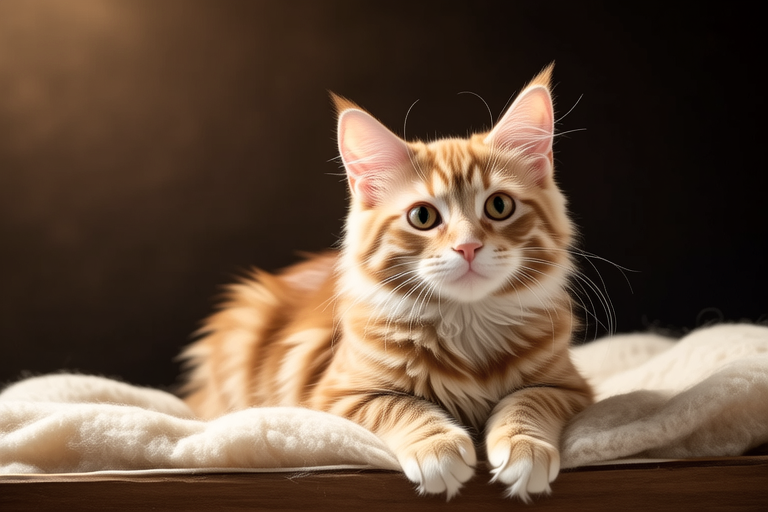
How to Care for Your Orange Feline Friend Like a Pro
Orange cats, with their striking coats and often affectionate dispositions, make wonderful companions. However, like all pets, they require specialized care to thrive. This comprehensive guide will walk you through everything from dietary needs to environmental enrichment, helping you become a pro at caring for your orange feline friend.
Dietary Needs Tailored for Orange Cats
The nutritional requirements of orange cats are no different from other domestic cats, but there are some considerations that can enhance their well-being. High-quality protein is essential for maintaining muscle mass and overall health. Look for cat food that lists meat as the primary ingredient, such as chicken, turkey, or fish. Omega-3 fatty acids, found in fish oil, support skin and coat health, which is particularly beneficial for orange cats whose coats may be more sensitive.
Avoid feeding your cat table scraps or human food, as these can be harmful. Ensure fresh water is always available. Additionally, consider the age and activity level of your cat when choosing a diet. Kittens need more calories than adult cats, while senior cats may benefit from lower-calorie diets to maintain a healthy weight.
Grooming Tips Specific to Their Coat
Orange cats often have short, fine coats that can be prone to shedding. Regular grooming helps keep their fur shiny and reduces hairballs. Use a soft-bristled brush to gently brush your cat’s coat several times a week. This not only removes loose hairs but also distributes natural oils, keeping the coat healthy.
Bathing is generally not necessary unless your cat gets into something particularly messy. If you do need to bathe your cat, use a mild, pet-specific shampoo and ensure you rinse thoroughly to remove any soap residue. After bathing, dry your cat completely to prevent chills.
Pay special attention to the ears and eyes. Clean the ears with a cotton ball dipped in a gentle ear-cleaning solution if they appear dirty, but avoid inserting anything into the ear canal. Wipe around the eyes with a damp cloth to remove any discharge or tear stains, which can occur more frequently in orange cats due to their lighter fur.
Health Concerns Common Among Orange Cats
While orange cats are generally healthy, they can be predisposed to certain conditions. Hypertrophic cardiomyopathy (HCM) is a heart condition that can affect some orange cats, especially males. Regular veterinary check-ups, including heart screenings, are crucial for early detection and management.
Orange cats may also be more susceptible to diabetes. Obesity is a significant risk factor, so maintaining a healthy weight through proper diet and exercise is important. Signs of diabetes include increased thirst, frequent urination, and weight loss despite a good appetite. Early intervention by a veterinarian can help manage this condition effectively.
Periodontal disease is another common issue among all cats, but regular dental care can prevent it. Brush your cat’s teeth daily with a toothbrush and toothpaste designed for felines, or provide dental treats and toys that promote oral hygiene.
Exercise and Playtime Suggestions
Regular exercise is vital for your orange cat’s physical and mental health. Interactive toys, such as laser pointers or feather wands, encourage hunting instincts and provide excellent aerobic exercise. Rotate toys periodically to keep your cat interested and engaged.
Scratching posts are essential for claw maintenance and marking territory. Choose a sturdy post made of materials your cat prefers, such as sisal or carpet. Encourage use by placing treats or catnip on or near the post. Providing vertical spaces, like cat trees or shelves, allows your cat to climb and explore, promoting both physical activity and mental stimulation.
Consider setting aside dedicated playtime each day. This interaction not only keeps your cat fit but also strengthens the bond between you and your pet. Ten to fifteen minutes of active play can significantly contribute to your cat’s well-being.
Behavioral Insights
Orange cats are often known for their friendly and outgoing personalities, making them great family pets. However, individual temperaments can vary, and understanding your cat’s behavior is key to providing a happy home.
Some orange cats may exhibit signs of anxiety or stress, especially in new environments or during changes in routine. Creating a safe space, such as a cozy bed or hiding spot, can help alleviate these feelings. Gradual introductions to new people, pets, or situations can also reduce stress.
Training your cat can be rewarding and beneficial. Positive reinforcement techniques, such as clicker training or offering treats for desired behaviors, can teach your cat commands like ‘come’ or ‘sit.’ Consistency is key, and patience will yield positive results.
Advice on Creating a Stimulating Environment
A stimulating environment is crucial for your orange cat’s happiness and well-being. Provide a variety of toys, including puzzle feeders that challenge your cat mentally and physically. Rotate toys regularly to maintain interest.
Create vertical spaces for climbing and perching. Cats enjoy elevated vantage points where they can observe their surroundings. Consider installing shelves or a cat tree that reaches multiple levels of your home.
Incorporate interactive elements into your cat’s environment. Window perches allow your cat to watch birds and other outdoor activities, providing mental stimulation. Install bird feeders outside windows to increase visual entertainment.
Ensure your cat has access to scratching surfaces and comfortable resting areas. A variety of beds and blankets can offer different textures and temperatures, catering to your cat’s preferences.
In conclusion, caring for an orange cat requires attention to detail and a commitment to their overall well-being. By addressing their dietary needs, grooming routines, health concerns, exercise, and environmental enrichment, you can ensure your orange feline friend lives a long, healthy, and fulfilling life. With this guide, you’re well on your way to becoming a pro at caring for your orange cat.
