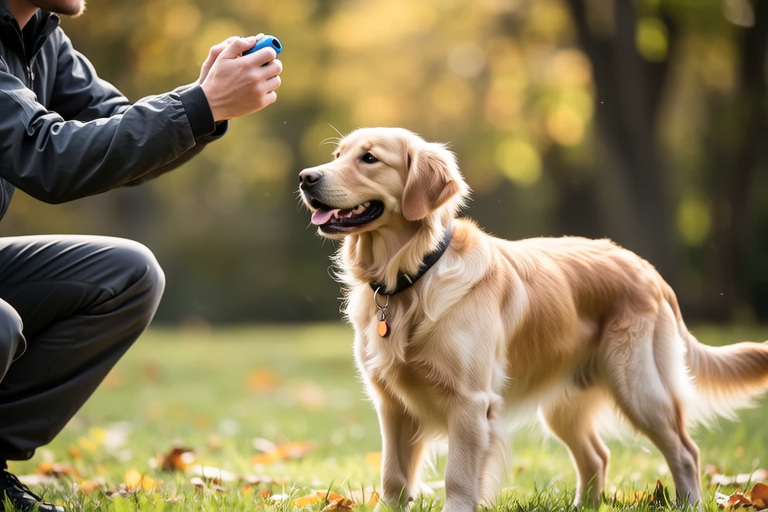
Training Tips for a Happy and Well-Behaved Golden Retriever
Golden Retrievers are beloved family pets known for their friendly demeanor, intelligence, and loyalty. However, like all dogs, they require proper training to ensure they become well-behaved and happy companions. This article provides comprehensive training tips that cover essential training methods, positive reinforcement techniques, regular exercise routines, mental stimulation activities, socialization importance, common behavioral issues solutions, and maintaining a strong bond with your Golden Retriever through consistent and loving training practices.
Essential Training Methods
Training your Golden Retriever begins with understanding basic commands such as sit, stay, come, down, and heel. These commands form the foundation of your dog’s obedience and help keep them safe. Start by teaching one command at a time, ensuring your dog masters each before moving on to the next. Use clear, concise commands and maintain a calm, patient demeanor during training sessions.
Begin training sessions in a quiet environment free from distractions. Gradually increase the complexity of the exercises and introduce more distractions as your dog becomes more proficient. Keep training sessions short and fun to prevent boredom or frustration. Aim for two to three 10-minute sessions per day for puppies and one 15-minute session for adult dogs.
Positive Reinforcement Techniques
Positive reinforcement is an effective method for training your Golden Retriever. It involves rewarding desirable behaviors with treats, praise, or playtime. This technique encourages your dog to repeat the behavior in the future. Choose high-value treats that your dog loves but only use them during training sessions to avoid overfeeding.
When using positive reinforcement, consistency is key. Always reward the desired behavior immediately after it occurs. If your dog does not perform the desired action, redirect them gently and try again. Avoid punishing your dog for mistakes; instead, focus on reinforcing correct behavior. Remember, patience and persistence are crucial for successful training.
Regular Exercise Routines
Golden Retrievers are energetic dogs that require regular exercise to maintain physical and mental health. Daily walks, runs, or playtime in a secure area are essential. Aim for at least 60 minutes of exercise per day, divided into shorter sessions if necessary. Swimming is another excellent activity for Golden Retrievers due to their love for water.
In addition to structured exercise, provide opportunities for spontaneous play. Fetch, tug-of-war, and hide-and-seek are popular games that can be played in the backyard or at the park. These activities not only burn energy but also strengthen the bond between you and your dog. Regular exercise helps prevent behavioral problems caused by pent-up energy, such as chewing, barking, or digging.
Mental Stimulation Activities
Golden Retrievers are intelligent dogs that need mental stimulation to stay engaged and happy. Puzzle toys, treat-dispensing devices, and interactive games can provide mental challenges that keep your dog entertained and mentally sharp. Rotate toys regularly to prevent boredom and encourage exploration.
Teaching new tricks or engaging in scent work can also stimulate your dog’s mind. For example, hide treats around the house and encourage your dog to find them. Scent work not only provides mental stimulation but also taps into your dog’s natural hunting instincts. Additionally, consider enrolling your Golden Retriever in obedience classes or agility training for more advanced mental challenges.
Socialization Importance
Socializing your Golden Retriever from an early age is crucial for developing good manners and reducing fear or aggression towards other people, animals, and environments. Expose your puppy to various stimuli, including different sounds, sights, and textures. Take them on car rides, introduce them to children, and allow them to meet other dogs and pets.
Continue socialization throughout your dog’s life by exposing them to new experiences regularly. This can include visits to parks, pet-friendly stores, or participating in community events. Proper socialization helps your Golden Retriever become confident and well-adjusted, making them better behaved and easier to manage.
Common Behavioral Issues Solutions
Despite proper training, some behavioral issues may arise. Barking, chewing, jumping up, and separation anxiety are common problems that can be addressed with patience and consistent training.
To address excessive barking, identify the trigger and work on desensitizing your dog to it. Teach your dog a “quiet” command by rewarding them when they stop barking. For destructive chewing, provide appropriate chew toys and supervise your dog closely until they understand what is acceptable to chew on. Jumping up can be discouraged by turning away and ignoring your dog until they have all four paws on the ground. Then, reward them for calm behavior.
Separation anxiety can be alleviated by gradually increasing the amount of time your dog spends alone. Provide comfort items, such as a favorite toy or blanket, and leave the radio on for company. Consider crate training to give your dog a safe space to retreat to when you’re not home.
Maintaining a Strong Bond Through Consistent and Loving Training Practices
The bond between you and your Golden Retriever is strengthened through consistent and loving training practices. Spend quality time together daily, whether it’s playing fetch, going for walks, or simply cuddling on the couch. Positive interactions reinforce your relationship and make your dog feel loved and valued.
Avoid harsh corrections or punishments, which can damage trust and cause fear. Instead, focus on building a positive relationship based on mutual respect and understanding. Celebrate small victories and progress during training sessions to keep both you and your dog motivated. By fostering a strong bond, you’ll create a happier and more well-behaved Golden Retriever.
Conclusion
Training your Golden Retriever requires time, effort, and dedication, but the rewards are immeasurable. By incorporating essential training methods, positive reinforcement techniques, regular exercise routines, mental stimulation activities, socialization importance, common behavioral issues solutions, and maintaining a strong bond through consistent and loving training practices, you can raise a happy and well-behaved Golden Retriever. With patience, persistence, and a willingness to learn, you and your furry companion will enjoy many years of joy and companionship.
