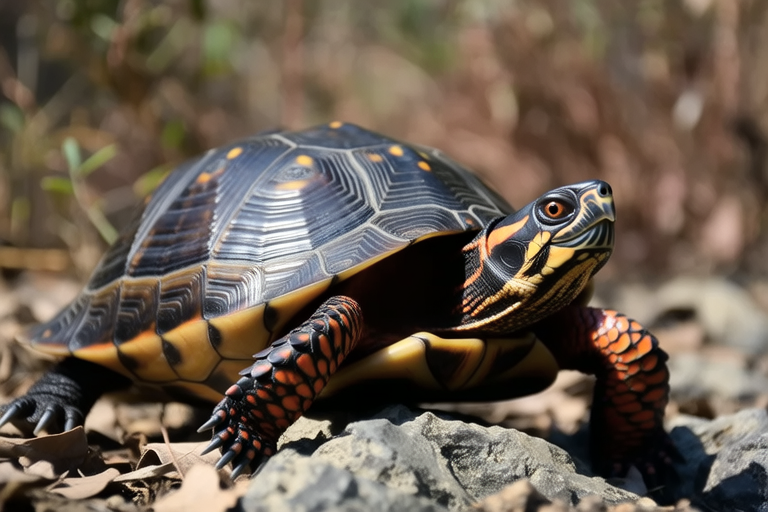
Comprehensive Care Guide for Shy, Striped Pet Snails
Welcome to your comprehensive care guide for shy, striped pet snails. These fascinating creatures have unique needs that require careful consideration to ensure they thrive in their new home. This guide covers all aspects of care, from setting up their habitat to recognizing signs of stress or illness. Let’s dive into the world of these delightful pets.
Habitat Setup
Creating the perfect habitat for your shy, striped pet snails is crucial for their well-being. Start by choosing an appropriate enclosure; a glass aquarium with a secure lid works best. Ensure it has a minimum capacity of 10 gallons (38 liters) to provide ample space for exploration.
The substrate should be moistened coconut fiber or sphagnum moss, creating a soft, damp environment that mimics their natural habitat. Avoid using sand or gravel as these can harm the snails’ delicate bodies. Add plenty of hiding spots such as cork bark, leaf litter, or small plant pots to help them feel safe and secure.
Provide a shallow water dish filled with clean, dechlorinated water for drinking and soaking. Ensure the water level is no higher than the height of the snail’s shell opening to prevent drowning. Additionally, include some climbing structures like branches or driftwood to encourage exercise and stimulate natural behavior.
Maintain a temperature range between 68°F and 77°F (20°C to 25°C) and humidity levels around 70% to 90%. Use a hygrometer and thermometer to monitor these conditions accurately. A heat mat placed underneath one side of the tank can help maintain the desired warmth without overheating the entire enclosure.
Diet
Shy, striped pet snails are herbivores with specific dietary requirements. Their primary food source consists of fresh vegetables and fruits, including dark leafy greens like kale, spinach, and romaine lettuce. Offer a variety of produce to ensure a balanced intake of nutrients. Remove any uneaten portions after 24 hours to prevent mold growth.
Supplement their diet with calcium-rich foods such as cuttlebone or crushed eggshells to support healthy shell development. You can also provide occasional treats like cucumber slices or apple pieces. Avoid feeding them acidic fruits like citrus or high-fat foods, as these may cause digestive issues.
Always wash and thoroughly rinse all produce before offering it to your snails. This removes any harmful pesticides or chemicals that could be present. Feed your snails daily, but only offer as much as they can consume within a few hours to prevent waste and potential bacterial growth.
Health Care
Regular health checks are essential for maintaining the well-being of your shy, striped pet snails. Monitor their shells for any signs of damage, discoloration, or unusual wear. A healthy shell should appear smooth and intact, with no visible cracks or gaps.
Check their bodies for any abnormalities such as swelling, redness, or unusual growths. If you notice any concerning symptoms, consult a veterinarian specializing in exotic pets for proper diagnosis and treatment. Keep the enclosure clean and free from contaminants to reduce the risk of infections or illnesses.
Provide a calcium supplement if necessary, especially if you notice any shell weakening or deformities. Crushed eggshells or cuttlebone are excellent sources of calcium. Ensure your snails have access to fresh, clean water at all times to maintain hydration.
Handling Tips
Handling your shy, striped pet snails requires patience and gentleness. Approach them slowly and avoid sudden movements that might startle them. Use a soft brush or gentle touch to coax them out of their shells when needed.
When holding your snail, support its body gently with one hand while keeping the other hand ready to catch it if it tries to retreat back into its shell. Never squeeze or pull on the snail, as this can cause injury or stress. Always handle your snails over a soft surface like a towel to prevent accidental falls.
Minimize handling sessions to once or twice a week, allowing your snails time to rest and recuperate. Overhandling can lead to stress, which may weaken their immune system and make them more susceptible to illness. Respect their need for privacy and give them plenty of space to explore and relax.
Signs of Stress or Illness
Recognizing signs of stress or illness in your shy, striped pet snails is vital for prompt intervention. Common indicators of stress include increased retraction into their shells, reduced activity levels, or changes in eating habits. Your snails may also become more sensitive to environmental factors such as temperature or lighting.
Illnesses can manifest through physical symptoms like swollen bodies, discolored shells, or abnormal growths. Respiratory issues may cause labored breathing or excessive mucus production. If you observe any of these signs, take immediate action by adjusting the habitat conditions or consulting a veterinarian.
Preventive measures include maintaining optimal humidity levels, providing adequate hiding spots, and ensuring a balanced diet. Regular health checks and minimal handling will further contribute to your snails’ overall well-being.
Unique Needs and Behaviors
Your shy, striped pet snails possess distinct characteristics that set them apart from other species. Their striped patterns add a unique aesthetic appeal, making each individual visually distinctive. However, their shyness demands special attention during care routines.
These snails tend to be more active during twilight hours or in dimly lit environments. They prefer quiet surroundings with minimal disturbance, so it’s important to create a calm atmosphere in their enclosure. Providing ample hiding spots and minimizing handling sessions will help them feel secure and comfortable.
Encourage natural behaviors by offering a variety of textures and materials within the habitat. Incorporate items like moss, bark, and leaves to mimic their natural environment. This enrichment stimulates mental engagement and promotes overall health.
Conclusion
Caring for shy, striped pet snails involves understanding their unique needs and behaviors. By setting up an appropriate habitat, providing a balanced diet, monitoring health regularly, handling them gently, and recognizing signs of stress or illness, you can ensure your shellmates thrive in a comfortable environment. With patience and dedication, you’ll enjoy the rewarding experience of nurturing these fascinating creatures.
