Adorable and Compact: Everything You Need to Know About Dutch Dwarf Rabbits
Welcome to the world of Dutch Dwarf rabbits! These charming creatures have captured the hearts of many with their petite stature and delightful demeanor. Dutch Dwarfs are not only one of the smallest breeds of domestic rabbits but also one of the most endearing. Their compact size makes them perfect companions for apartment dwellers or those with limited space, while their playful and affectionate nature ensures endless entertainment. In this comprehensive guide, we will explore everything you need to know about these adorable little rabbits, from their origins and physical characteristics to care tips and health concerns.
Origins and History
The Dutch Dwarf rabbit originated in Holland in the early 20th century. Breeders sought to develop a smaller version of the Dutch rabbit, which was already popular for its distinctive markings and docile personality. By selectively breeding smaller specimens, they eventually created the Dutch Dwarf rabbit, which was officially recognized as a distinct breed by the American Rabbit Breeders Association (ARBA) in 1965. Today, Dutch Dwarfs are cherished pets worldwide for their unique appearance and friendly disposition.
Physical Characteristics
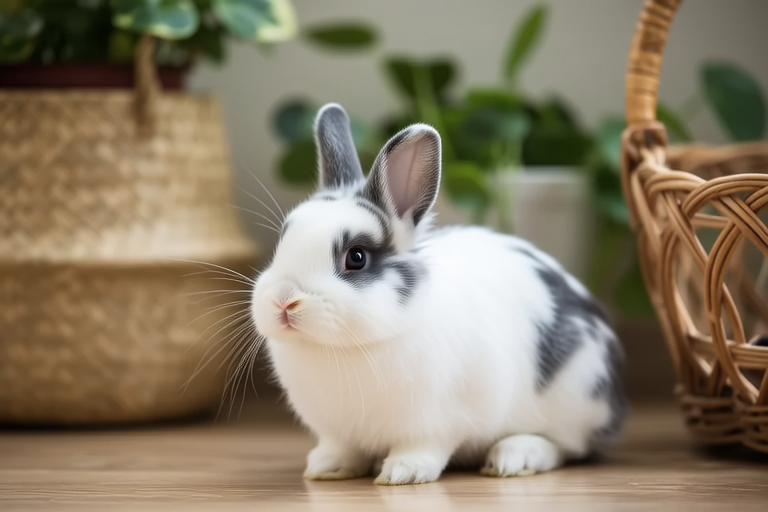
Dutch Dwarfs are small rabbits, typically weighing between 2 to 2.5 pounds. They have short, dense fur that comes in a variety of colors, including black, blue, chocolate, white, and more. The breed’s most recognizable feature is its striking facial markings, which include a white blaze running down the center of the face and white cheeks, giving them a distinctively cute and expressive look. Their ears are short and rounded, adding to their overall adorable appearance.
Temperament
Dutch Dwarfs are known for their friendly and outgoing personalities. They are social animals that enjoy interacting with their human companions and can be trained to come when called or even use a litter box. Despite their small size, they are energetic and curious, often exploring their surroundings with great enthusiasm. However, like any rabbit, they require proper handling and respect to avoid stress or injury. With gentle care and attention, Dutch Dwarfs can become loving and loyal pets that bring joy to their owners.
Common Colors
Dutch Dwarfs come in a wide range of colors, each with its own unique charm. Some of the most popular color varieties include:
- Black Dutch: Black body with white markings on the face, feet, and tail.
- Blue Dutch: Blue-gray body with white markings similar to the Black Dutch.
- Chocolate Dutch: Brown body with white markings on the face, feet, and tail.
- White Dutch: Pure white with no additional markings.
- Broken Dutch: Any color combination with white patches covering at least one-third of the body.
Care Tips
Diet
A balanced diet is essential for maintaining the health and well-being of your Dutch Dwarf rabbit. Their diet should primarily consist of hay, which provides necessary fiber for digestive health. Fresh vegetables and fruits can be offered in moderation as treats. Pellets formulated specifically for rabbits should make up a small portion of their daily intake. Avoid feeding your rabbit foods high in sugar or fat, as these can lead to obesity and other health issues.
Housing
Dutch Dwarfs require a safe and comfortable living environment. A spacious cage or enclosure with adequate ventilation is ideal, allowing them enough room to move around and stretch. The floor of the enclosure should be lined with soft bedding material such as straw or shredded paper to prevent injuries. Regular cleaning of the enclosure is crucial to maintain hygiene and prevent the buildup of bacteria or parasites.
Exercise Needs
While Dutch Dwarfs are relatively inactive compared to larger breeds, they still benefit from regular exercise. Providing a secure play area outside of their enclosure allows them to explore and engage in natural behaviors. Supervised playtime can also strengthen the bond between you and your rabbit. Always ensure that the play area is free of hazards and that your rabbit has access to fresh water during play sessions.
Grooming
Dutch Dwarfs have short, dense fur that requires minimal grooming. Brushing their coat once or twice a week helps remove loose hair and prevents matting. During shedding season, which typically occurs twice a year, more frequent brushing may be necessary. Bathing is generally not recommended unless absolutely necessary, as it can cause stress and discomfort for the rabbit. Instead, focus on keeping their living area clean and providing regular grooming sessions.
Health Concerns
Like all rabbits, Dutch Dwarfs are susceptible to certain health issues. Some common concerns include:
- Tooth Problems: Overgrown teeth can occur if the rabbit does not have access to sufficient hay. Regular dental check-ups and providing plenty of chew toys can help prevent this issue.
- Ear Mites: These tiny parasites can cause irritation and discomfort. Signs include scratching, head shaking, and discharge from the ears. Treatment involves cleaning the ears and applying medication prescribed by a veterinarian.
- Gastrointestinal Stasis: This condition occurs when the digestive system slows down or stops functioning properly. Symptoms include loss of appetite, lethargy, and changes in stool consistency. Prompt veterinary care is necessary to address this potentially life-threatening condition.
- Obesity: Overfeeding and lack of exercise can lead to weight gain, which increases the risk of various health problems. Maintaining a healthy diet and ensuring regular activity can help prevent obesity.
To prevent these health concerns, it is important to provide proper care and monitoring. Regular visits to a veterinarian who specializes in exotic animals can help detect and treat any issues early on. Additionally, paying attention to your rabbit’s behavior and appearance can alert you to potential problems before they become serious.
Where to Adopt or Purchase
If you’re ready to welcome a Dutch Dwarf into your home, there are several responsible ways to find your new pet. Adoption from local shelters or rescue organizations is a compassionate choice that gives a second chance to rabbits in need. Many shelters offer spayed or neutered rabbits, which can reduce the risk of certain health issues and behavioral problems. When adopting, be sure to inquire about the rabbit’s history and any specific care requirements.
If you prefer to purchase a Dutch Dwarf from a breeder, choose a reputable source that prioritizes the health and well-being of their animals. Look for breeders who provide documentation of health clearances and genetic testing, as well as information about the rabbit’s lineage and background. Visiting the breeder’s facility and meeting the parents can give you insight into the quality of care provided.
Regardless of whether you adopt or purchase, taking the time to research and select a responsible source will ensure that your new companion is healthy, happy, and ready to bring joy into your life.
In conclusion, Dutch Dwarf rabbits are delightful pets that offer companionship, entertainment, and affection. Their compact size, adorable appearance, and friendly nature make them ideal for both first-time and experienced rabbit owners. By understanding their origins, physical characteristics, temperament, and care needs, you can provide a loving and nurturing environment for your new furry friend. Remember to approach adoption or purchasing responsibly, and always prioritize the health and well-being of your rabbit. With proper care and attention, Dutch Dwarfs can become cherished members of your family for years to come.
