Top 5 Myths About Chameleons Debunked
Welcome to an enlightening journey into the world of chameleons! These fascinating reptiles have captivated human imagination for centuries, but unfortunately, many misconceptions persist. This article aims to shed light on five common myths about chameleons and provide you with accurate, scientifically-backed information. Whether you’re a seasoned herpetologist or a curious novice, this guide will help you better understand these unique creatures and offer practical tips for those who care for them.
Myth 1: Chameleons Change Color to Match Their Environment
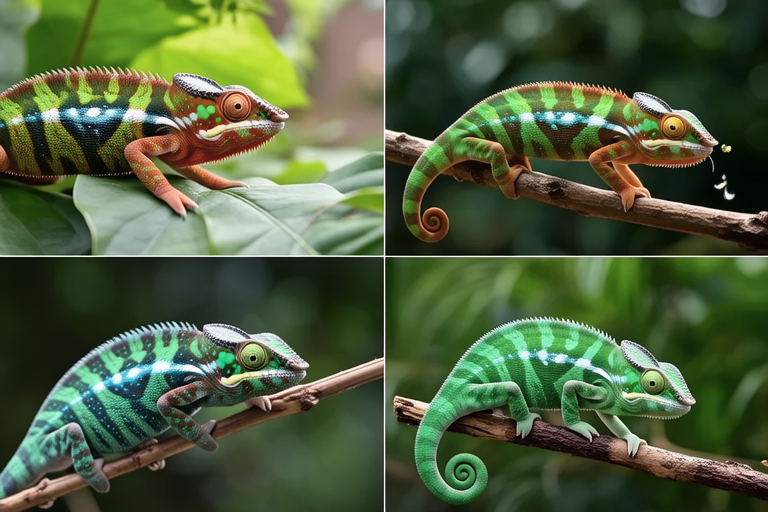
The most widely held belief about chameleons is that they can change color to match their surroundings. While it’s true that chameleons do alter their hues, this ability serves more than just camouflage. The primary reason behind this remarkable trait is communication and thermoregulation. Studies have shown that chameleons change color to signal their mood, health, and readiness to mate. For instance, a male chameleon displaying vibrant colors during courtship is not trying to blend in; he’s showing off his fitness to attract a female.
Chameleons also adjust their skin pigments to regulate their body temperature. By changing from dark to light colors, they can absorb more or less heat from the sun. Understanding this helps us appreciate the complexity of their behavior and physiology.
Tip for Chameleon Owners: Provide your chameleon with a variety of branches and foliage to climb on. This allows them to move around and bask in different spots, helping them manage their body temperature effectively. Avoid placing their enclosure near windows where direct sunlight might cause overheating.
Myth 2: Chameleons Can Only See in Color
Another misconception is that chameleons see only in color. In fact, chameleons possess exceptional vision that surpasses many other animals. They have independently rotating eyes, which allow them to focus on two different objects simultaneously. This binocular vision gives them precise depth perception, crucial for catching insects in mid-air. Additionally, chameleons can detect ultraviolet (UV) light, which plays a role in their social interactions and reproductive behaviors.
Research indicates that UV light is essential for chameleons’ overall health and well-being. It aids in vitamin D synthesis, which is vital for calcium absorption and bone health. Therefore, providing appropriate lighting in captivity is crucial.
Tip for Chameleon Owners: Invest in full-spectrum lighting that mimics natural sunlight. Ensure your chameleon has access to UVB rays, which are necessary for their metabolism and overall health. Replace bulbs every six months as they lose effectiveness over time.
Myth 3: Chameleons Are Easy to Handle
Contrary to popular belief, chameleons are not suited for frequent handling. They are solitary creatures that thrive in environments where they feel secure and undisturbed. Handling can cause stress and anxiety, leading to health issues such as weight loss, reduced appetite, and even death. Chameleons have sensitive skin and delicate bones, making them particularly vulnerable to injury during handling.
Studies have demonstrated that chameleons exhibit higher stress levels when frequently handled compared to those left alone. This finding underscores the importance of minimizing contact with your pet to ensure its well-being.
Tip for Chameleon Owners: Limit handling to necessary tasks like cleaning the enclosure or checking for signs of illness. When you must handle your chameleon, support its entire body gently and avoid sudden movements. Always wash your hands before and after handling to prevent the transfer of bacteria.
Myth 4: Chameleons Do Not Need Water
It’s often assumed that chameleons get all the water they need from the moisture in the air or their food. However, this assumption can be dangerous for their health. Chameleons require regular hydration to maintain proper bodily functions. Dehydration can lead to kidney failure, among other serious health problems.
Research shows that chameleons drink water droplets from leaves or misting systems rather than drinking from standing water sources. Ensuring a consistent supply of fresh water through misting or dripping systems is essential for maintaining their hydration levels.
Tip for Chameleon Owners: Set up a drip system or manually mist the enclosure daily. Ensure that water reaches all areas of the cage, especially the plants, so your chameleon has multiple opportunities to drink. Monitor their hydration by checking the condition of their skin and stools.
Myth 5: Chameleons Live Long in Captivity
There’s a widespread notion that chameleons live longer in captivity due to controlled environments and protection from predators. However, this isn’t always the case. Captive chameleons often face challenges that reduce their lifespan. Factors such as improper husbandry, stress, and inadequate diets can significantly shorten their lives.
Scientific studies suggest that captive chameleons typically live between 5 to 10 years, depending on species and care. Proper care can extend their lifespan, but it requires diligence and attention to detail. Regular veterinary check-ups, balanced diets, and suitable environmental conditions are key to ensuring long-term health.
Tip for Chameleon Owners: Consult with a veterinarian specializing in reptiles to establish a routine care plan. Regular health checks can help catch potential issues early and address them promptly. Maintain optimal humidity, temperature, and lighting to mimic their natural habitat as closely as possible.
Conclusion
In conclusion, understanding the truth behind these five common myths about chameleons can greatly improve our appreciation and care for these incredible creatures. From their colorful displays to their unique vision, chameleons continue to amaze us with their adaptations. By debunking these myths, we hope to encourage responsible ownership and foster a deeper connection with these fascinating reptiles.
Remember, whether you’re a first-time owner or a seasoned enthusiast, providing your chameleon with the best possible care requires ongoing learning and adaptation. Stay informed, seek advice from experts, and always prioritize your pet’s well-being. Together, we can ensure that these captivating animals thrive both in the wild and in captivity.
